













The devastating floods and landslides near the Nepal-Tibet border have brought the Kailash Mansarovar Yatra into sharp focus. Indian pilgrims travelling to or from the sacred site have been among those affected, with hundreds reported missing or unaccounted for and several others stranded on the Tibetan side after roads and border crossings were disrupted.
The disaster has also drawn attention to one of the most demanding religious journeys in the Himalayas, centred on Mount Kailash and Mansarovar Lake.
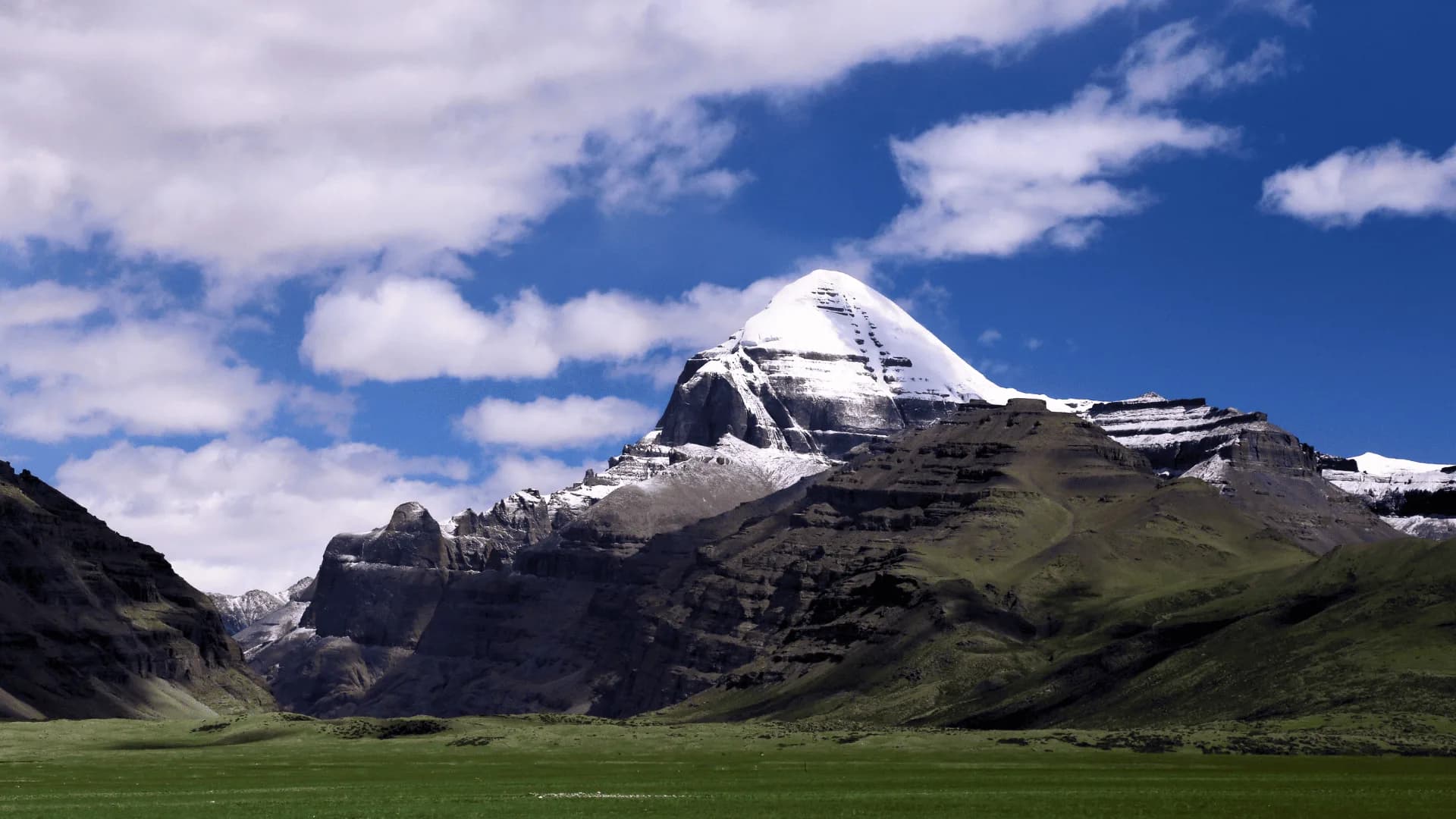
Why is Mount Kailash sacred?
For Hindus, Mount Kailash is believed to be the abode of Lord Shiva and Goddess Parvati. The mountain is closely linked with Shiva’s meditation and spiritual transcendence, while the pilgrimage is traditionally associated with the pursuit of moksha, or salvation. Hindu tradition also holds that Ravan sang the Shiva Tandav Stotram here to please Lord Shiva.
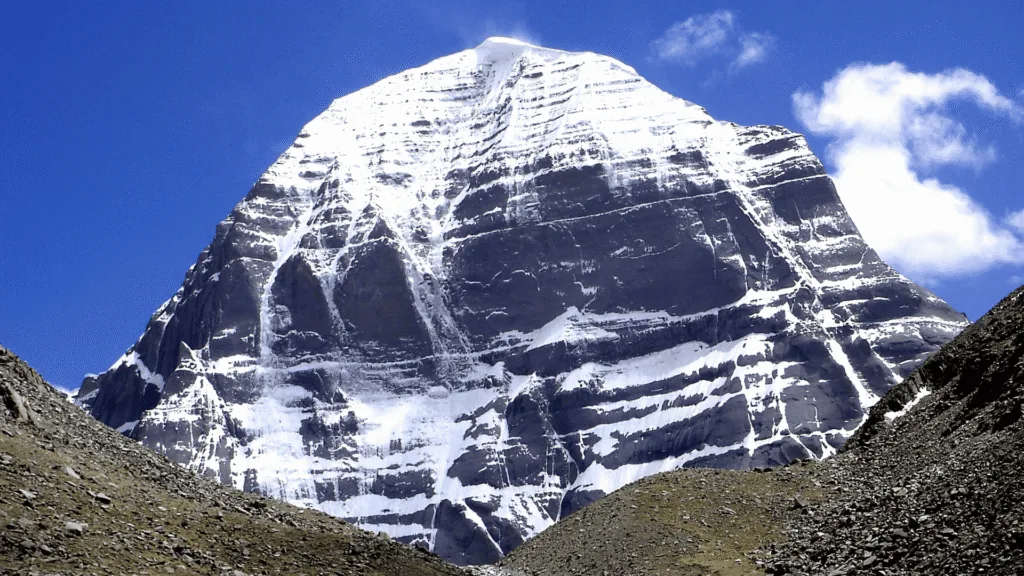
Kailash is revered beyond Hinduism too. In Buddhism, it is associated with Mount Meru, the cosmic mountain. Jain traditions connect the region with Rishabhadeva, the first Tirthankara, and his liberation. The Tibetan Bon tradition, which predates Buddhism in Tibet, also considers Mount Kailash and its surrounding landscape sacred.
Mansarovar lake and its spiritual importance
Located at around 4,557 metres above sea level, Mansarovar is among the world’s highest freshwater lakes. Its Sanskrit name, Manas-sarovar, is traditionally linked to manas, meaning mind, and sarovar, meaning lake.
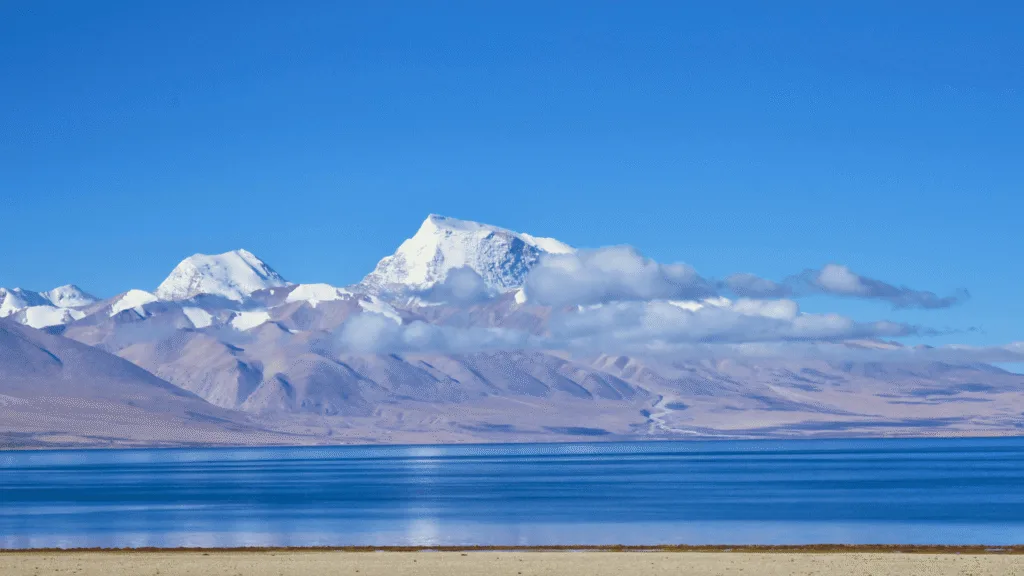
In Hindu belief, the lake is associated with Brahma. For pilgrims, bathing in or drinking its water carries deep religious significance. The region also lies near the headwaters of the Indus, Sutlej, Brahmaputra and Karnali river systems.
What is the Kailash Parikrama?
The traditional journey through Tibet includes places such as Saga and Darchen, the settlement from where pilgrims begin the 52-km Kailash parikrama, or kora. Depending on the route and arrangements, about 10 km may be covered by vehicle, leaving roughly 42 km on foot.
Also Read | Darjeeling to Bhutan: The autumn escape that became my favourite journey
The trek is generally completed over three days. The most difficult section is the Dolma La Pass, at about 5,630 metres. From there, pilgrims descend towards Zuthulphuk before returning to Darchen.
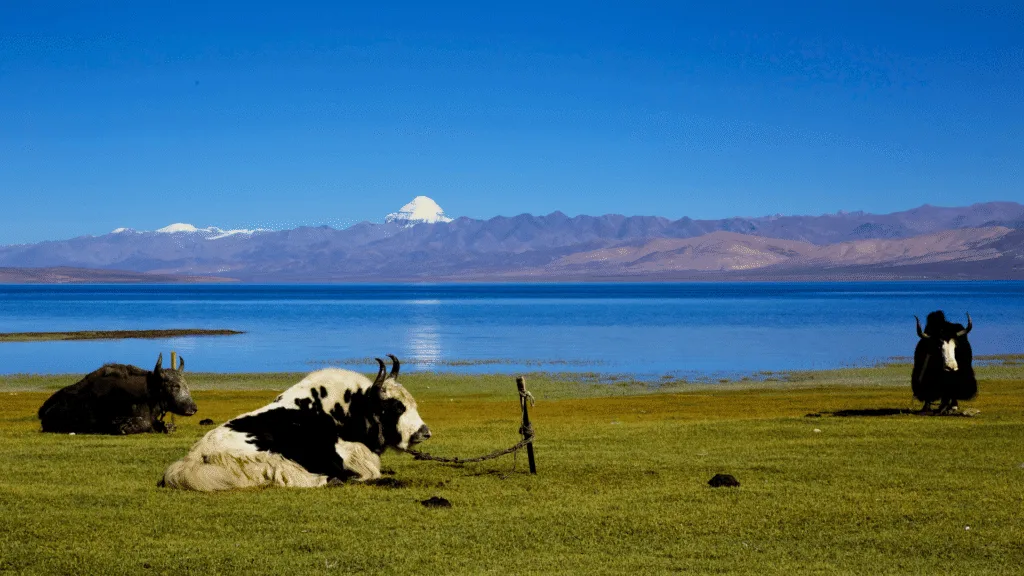
For millions, the Kailash Mansarovar Yatra remains a journey shaped by faith, difficult terrain and centuries-old religious traditions.