


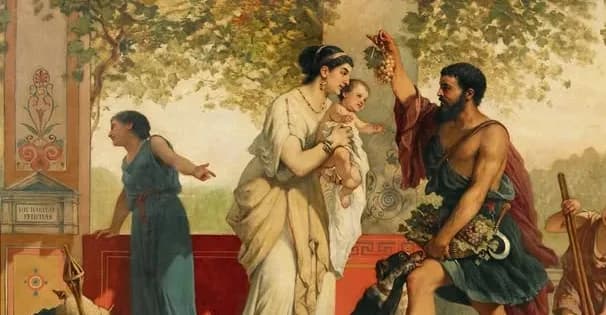











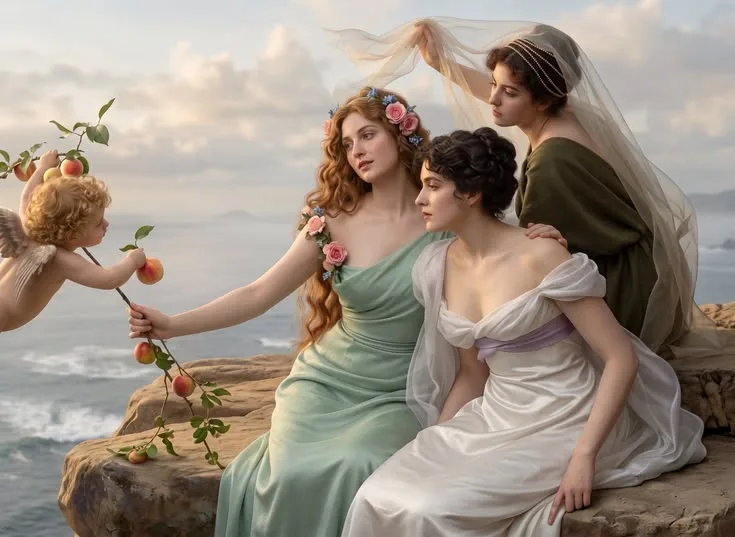
Most people picture Greek and Roman nymphs as beautiful women wandering through forests or sitting beside waterfalls. That image isn’t entirely wrong, but it leaves out almost everything that made nymphs important in the ancient world.
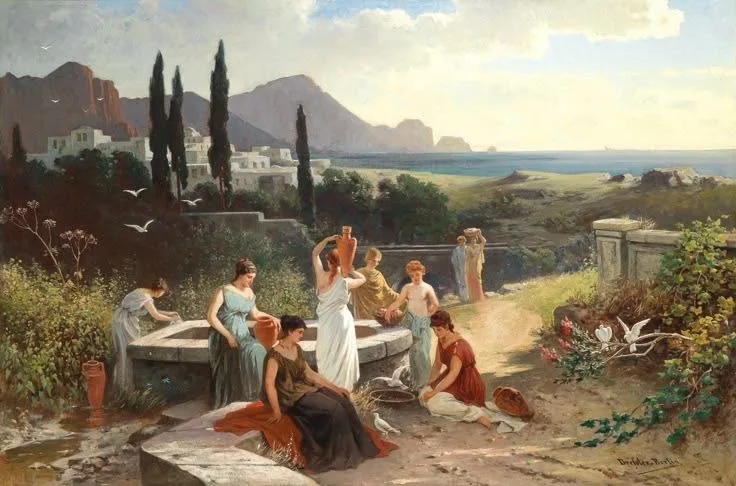
For the Greeks and Romans, nymphs belonged to the land itself. A river had its own nymph. So did a mountain, a cave, a spring and even a grove of trees. They were not distant gods ruling from the heavens; they were believed to live in the places people crossed, drank from and prayed in every day.
Every landscape had its own guardian
Nymphs were described as divine female beings, but each group had a different home and responsibility. Naiads were linked to freshwater rivers and springs. Dryads lived in trees and forests. Oreads were originally connected to mountains and caves, whereas the Nereids were connected to the sea. Oceanids were strongly belonged to the larger water bodies which includes rivers and oceans.
As they were tied to a particular place, the people believed that harming that place also meant disturbing its guardian spirit.
Why were nymphs so important?
In the ancient age the communities depended on forests and freshwater for survival. Springs provided drinking water, rivers helped farming and forests supplied food and shelter. The places became scared from the myths of the Nymphs
Also Read | Ganesh Chaturthi was once a private festival: Here’s how it become a mass movement
Nymphs also appear in stories about music, poetry and prophecy. Writers and philosophers believed that a person could only receive inspiration after spending time with the Nymphs or visiting the sacred places.
Daphne’s story is one of mythology’s best-known tales
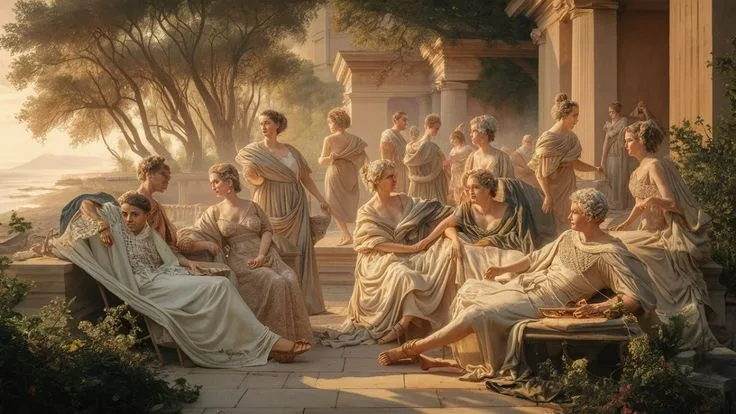
The story of Daphne is remembered across Greek mythology. Apollo fell in love with her, but Daphne always wanted to escape him. She asked her father who was, the river god Peneus, for help and was transformed into a laurel tree. From that day, the laurel became one of the sacreds to Apollo and appeared as a symbol in many Greek traditions.
More than mythical figures
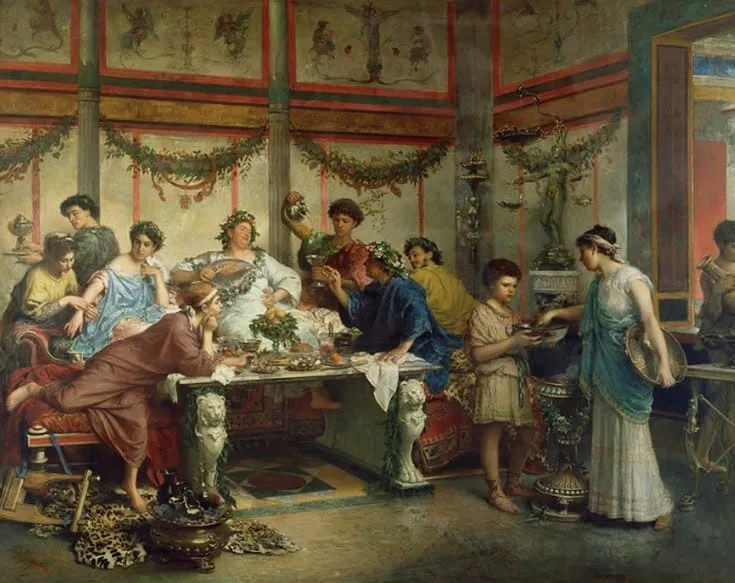
Nymphs were never just decorative characters in ancient Greek mythology. They explained why certain places were sacred. Why particular trees or springs were protected, and how people imagined their relationship with nature. Their stories survive because they are directly connected to the rivers, mountains and forests that shaped everyday life in the ancient Mediterranean world.
Also Read | Pancha Kedar–Part 4: Rudranath, where Lord Shiva revealed his face to the world