







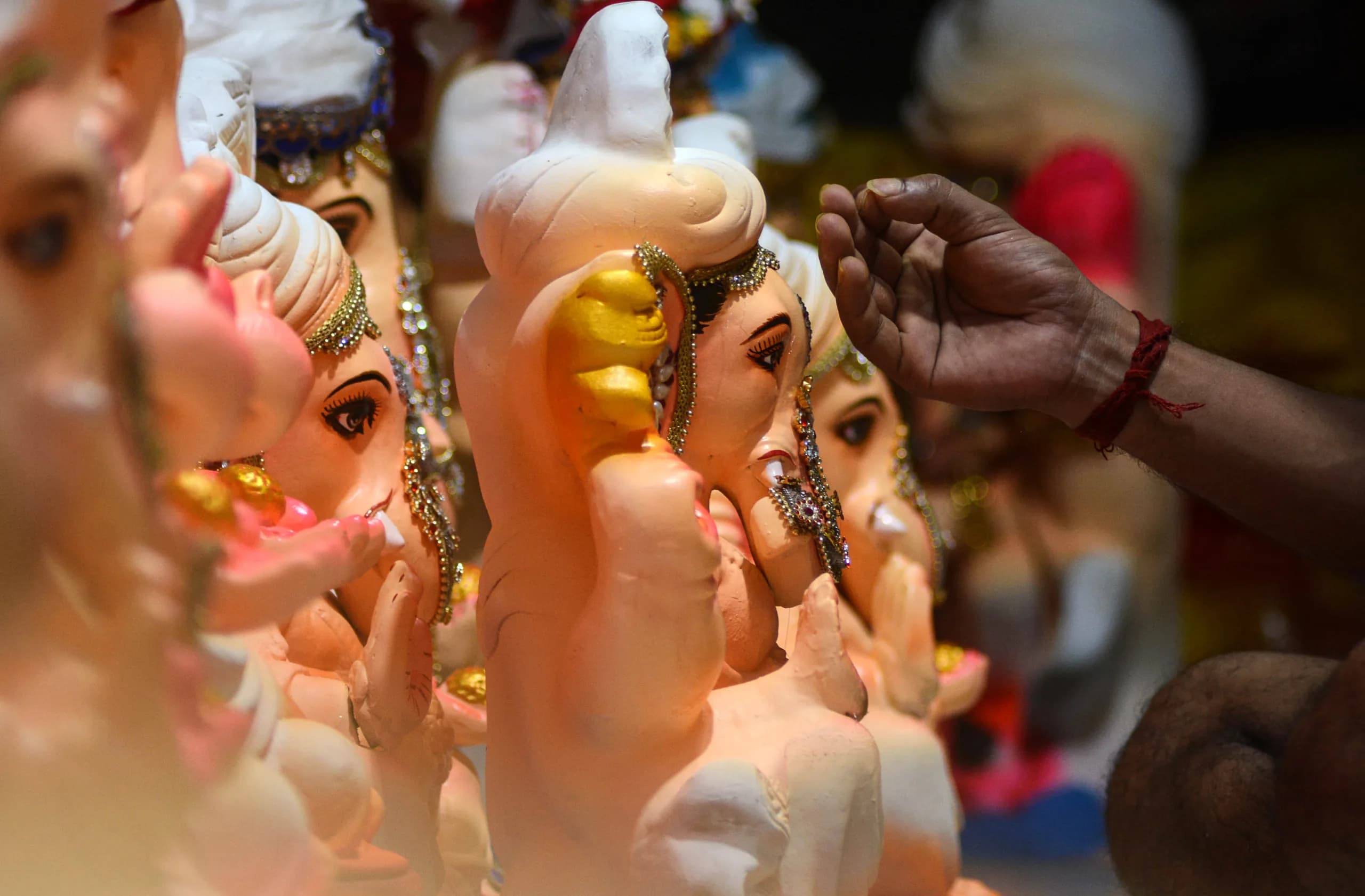
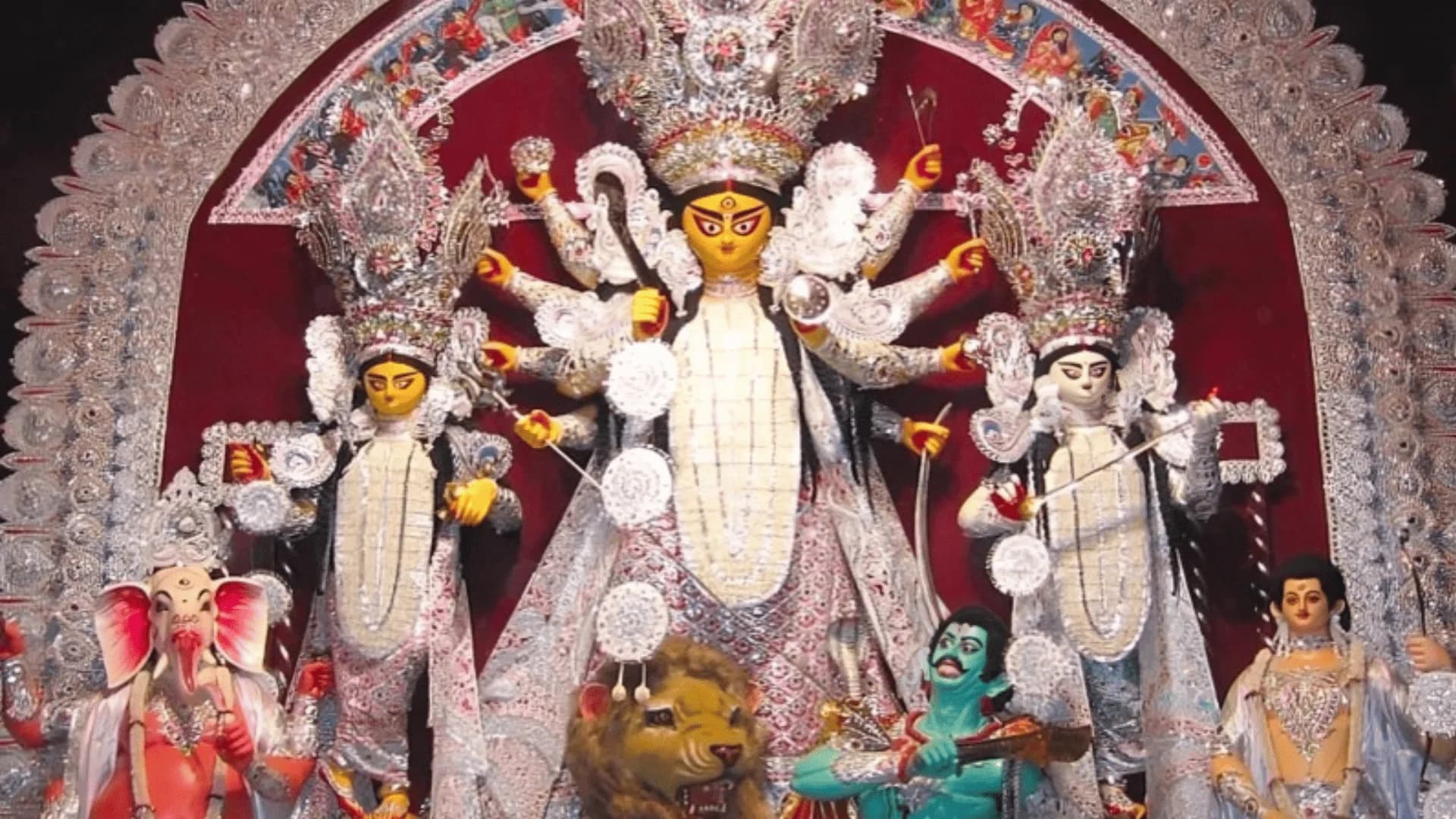

Every year, Ganesh Chaturthi transforms the streets of Maharashtra into a 10-day celebration of devotion, music, art and community. Homes and neighbourhoods welcome Ganpati Bappa, while elaborate pandals draw thousands of people together.
But the festival’s journey from a largely private religious observance to the vast public celebration seen today is also closely connected with India’s struggle against British rule.
In 2026, Ganesh Chaturthi will fall on Monday, September 14, with the celebration running for 10 days until Ganesh Visarjan on Anant Chaturdashi.
Also Read | Pancha Kedar-Part 3: Tungnath, the highest Shiva temple in the world
Although the festival is now celebrated all over the country, Maharashtra continues to remain the epicentre of its culture. The evolution of the festival as a major public celebration owes much to Bal Gangadhar Tilak, a freedom fighter and a nationalist leader.
How did Ganesh Chaturthi evolve into a public celebration?
For years, Ganesh Chaturthi was celebrated mainly as a private religious ritual, especially by Brahmins and other upper castes, based on the information provided in the source.
However, the public nature of the celebration emerged in the context of the British colonial rule in India, with the intention to gather people in one place under the pretext of religion.
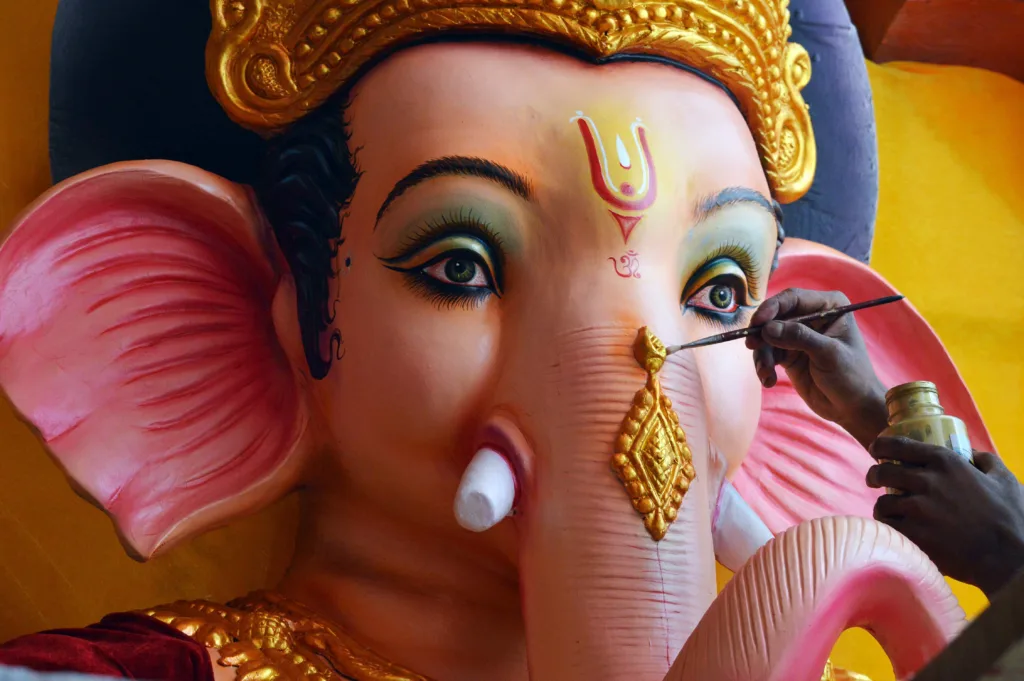
The public form became known as Sarvajanik Ganeshotsav, with temporary pandals organised by local community groups or mandals. Unlike a private household celebration, these public festivities allowed people from the wider community to participate.
The transformation is also linked to Maharashtra’s older traditions of using religious and cultural symbols to foster unity. The source notes that Chhatrapati Shivaji Maharaj had encouraged the worship of Ganesha in the 1600s as a means of uniting his people.
However, it was Tilak who gave the festival a distinctly organised public character in the late 19th century.
What role did Bal Gangadhar Tilak play?
In 1893, Tilak helped establish the tradition of public Ganeshotsav in Pune, with celebrations beginning at Kesari Wada.
Tilak saw religious festivals as an opportunity to bring people together at a time when colonial rule limited avenues for political mobilisation. The festival provided a space where communities could gather publicly under the accepted framework of religious observance.
Tilak was already an influential journalist, teacher and nationalist. In 1881, he had co-founded Kesari in Marathi and Mahratta in English with G G Agarkar. Both newspapers became associated with the nationalist movement.
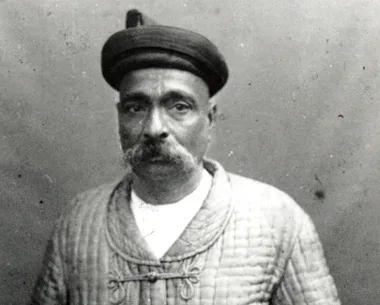
His famous call for self-rule — “Swaraj is my birthright, and I shall have it” — captured his political philosophy that Indians had a right to govern themselves.
His approach to Ganesh Chaturthi followed the same broader objective: creating spaces where people could gather, organise and develop a shared sense of identity.
How did a religious celebration help the freedom movement?
The British government’s approach to religious gatherings created an opening that Tilak was able to exploit.
According to the source material, British authorities had become cautious about interfering in religious matters after the 1857 uprising. Tilak used that space to turn religious and cultural celebrations into occasions for public mobilisation.
Ganesh festival societies began appearing across Maharashtra. Young people organised singing groups, gymnastic societies were encouraged, and public speeches became part of the celebrations.
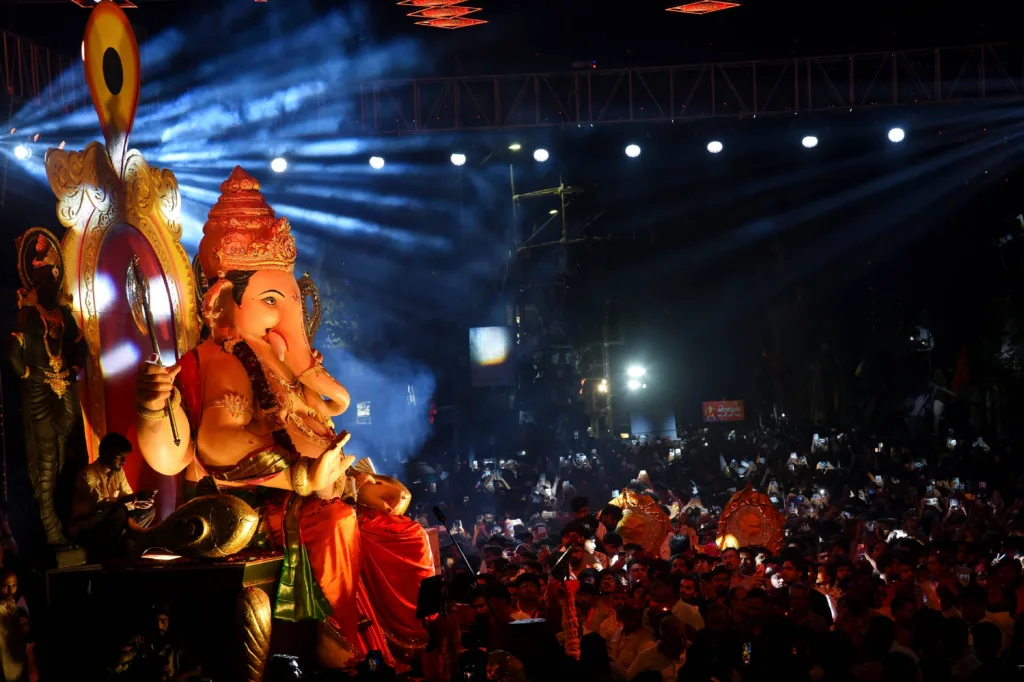
Historian Dhananjay Keer, in his 1959 biography Lokmanya Tilak: Father of the Indian Freedom Struggle, described these developments while quoting Tilak’s account of the festival’s growing organisational character.
The celebrations consequently became more than rituals. They created opportunities for people to meet, participate in collective activities and engage with ideas of courage, self-discipline and national identity.
Tilak similarly promoted Shivaji Jayanti, using the memory of the Maratha ruler as another means of encouraging public mobilisation.
From political strategy to cultural tradition
The political environment which led to the development of public Ganeshotsav has undergone great changes since the colonial period.
However, the practice of public Ganesh Chaturthi has survived and grown. Something that was started as a tool for uniting people became a part of the cultural heritage of Maharashtra and then spread all around India.
Also Read | Pancha Kedar–Part 4: Rudranath, where Lord Shiva revealed his face to the world
Nowadays, big mandals organise impressive pandals, idol shows, cultural programmes and other events. Individuals still celebrate the festival by welcoming an idol into their homes, doing puja and offering typical bhog like modaks and laddus before finally immersing the idol.
Therefore, the contemporary identity of Ganesh Chaturthi is formed by different periods of time including religious devotion, community involvement, public culture and also the connection with the nationalist movement in the end of the 19th century.
It can be seen that Ganesh Chaturthi became a perfect example of how the festival, being devoted to the worship of God, turned into a significant form of public event during one of the most important periods in Indian history. The celebration might now be considered rather cultural and religious but its public nature has quite a long history.