












The Dahiya doctrine has become a prominent point of debate in discussions about Israel’s military strategy, particularly regarding the destruction of civilian infrastructure during conflicts involving Hezbollah in Lebanon and Hamas in Gaza. Associated with the use of overwhelming and potentially disproportionate force to deter armed groups, the doctrine raises questions about military deterrence, civilian suffering and the limits imposed by international humanitarian law.
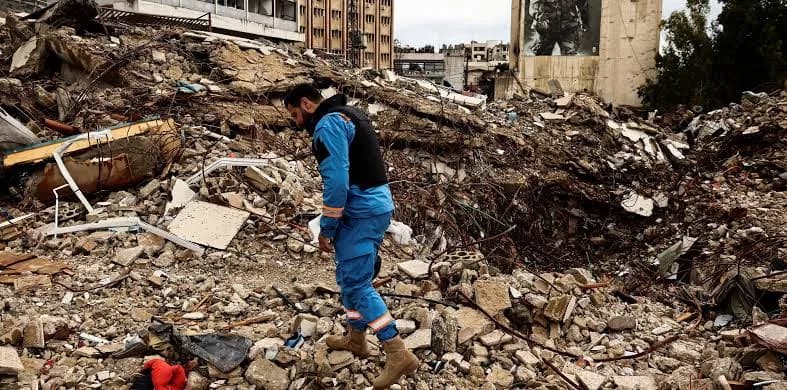
The strategy takes its name from Dahieh, the southern suburbs of Beirut that suffered extensive destruction during the 2006 Lebanon War. Former Israel Defence Forces (IDF) chief of general staff Gadi Eizenkot publicly outlined the approach in 2008, describing the possibility of extensive destruction in areas from which attacks against Israel originated.
Although Israeli military officials have presented the approach as a means of deterring future attacks, critics argue that its emphasis on damaging civilian infrastructure can impose collective suffering on populations and conflict with fundamental principles governing warfare.
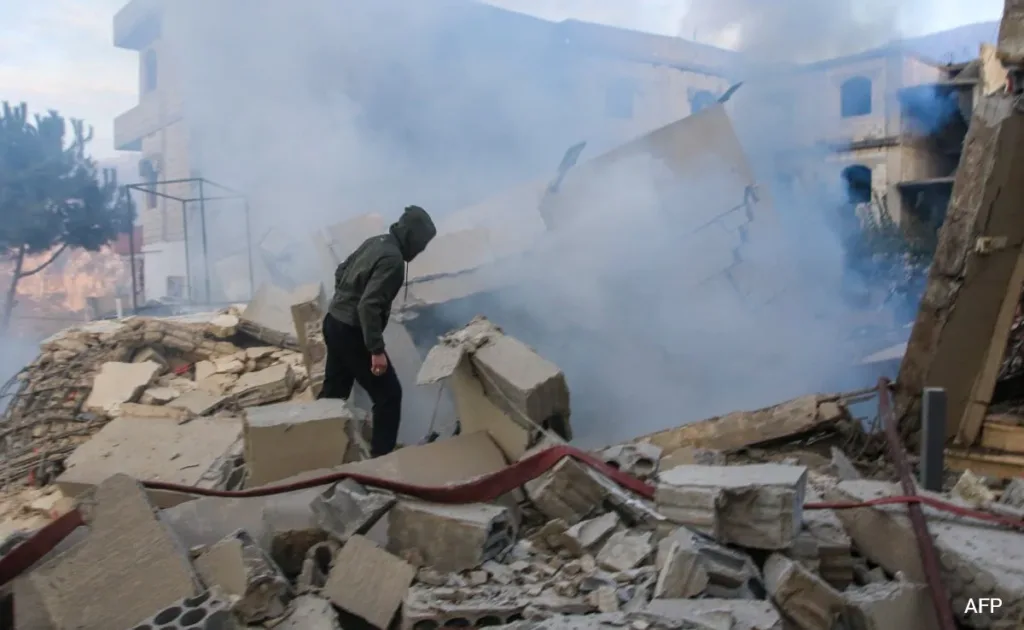
Dahiya doctrine emerged after the 2006 Lebanon War
The Dahiya doctrine became widely discussed after the 2006 war between Israel and Hezbollah, during which the southern suburbs of Beirut experienced extensive Israeli bombardment. The area, commonly known as Dahieh, had a significant Shia population and included Hezbollah’s headquarters.
In an interview published by Israeli newspaper Yedioth Ahronoth in October 2008, Eizenkot said the destruction seen in Dahieh could be repeated in other areas from which attacks were launched against Israel. His remarks described a strategy built around the application of overwhelming force and extensive damage intended to discourage armed groups from launching further attacks.
Israeli analyst Gabi Siboni also discussed the approach in a 2008 paper published through the Institute for National Security Studies. He argued that Israel should respond decisively to attacks by Hezbollah or Hamas, inflicting damage that would make further confrontation costly and discourage prolonged conflict.
The central argument behind the Dahiya doctrine is that the prospect of extensive destruction and lengthy reconstruction could influence the calculations of armed groups and deter future hostilities. Critics, however, question whether imposing such costs on civilian communities can be reconciled with the laws of armed conflict.
Also Read | Serbia’s student-backed movement wins majority, but governing will test its mettle
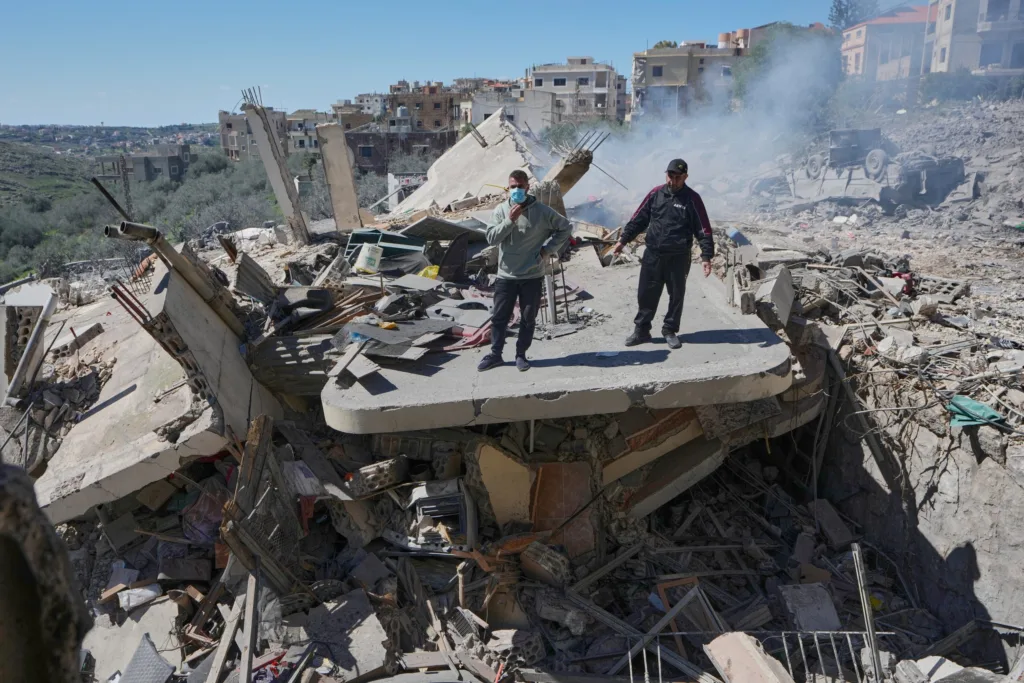
Dahiya doctrine draws scrutiny over Gaza military operations
The Dahiya doctrine has featured in discussions about Israeli military operations in the Gaza Strip, including the 2008-09 Gaza war and the war that began in October 2023 following Hamas’s attack on Israel.
During the 2008-09 conflict, the United Nations Fact-Finding Mission on the Gaza Conflict examined allegations that Israel had used disproportionate force and caused widespread destruction. The mission referred to the doctrine in its report and concluded that the approach had been applied during the conflict.
The report, commonly known as the Goldstone Report, was subsequently the subject of significant debate. In 2011, Richard Goldstone, who led the UN mission, said some of his conclusions might have differed had the Israeli government cooperated with the investigation. His three fellow mission members rejected his revised position and stood by the report’s findings.
During the war that began in 2023, commentators and researchers have again drawn parallels between the doctrine and the extensive destruction of civilian infrastructure in Gaza. Some reports have cited claims that attacks on non-military targets were intended to pressure civilians into turning against Hamas. These interpretations remain contested, and available evidence must be used to assess the extent to which particular operations reflect the doctrine.
The Dahiya doctrine is therefore frequently invoked in debates over the purpose and consequences of Israeli military operations, although the destruction caused by a particular attack does not, by itself, establish the military rationale behind it or determine its legality.
Also Read | A fourth term for Lula, a mountain of debt and a Congress pushing back
Dahiya doctrine raises questions under international law
The Dahiya doctrine has attracted criticism from legal scholars and human rights advocates who argue that its emphasis on extensive destruction risks undermining protections afforded to civilians during armed conflict.
International humanitarian law requires parties to distinguish between civilians and combatants, attack only legitimate military objectives, and take precautions to minimise civilian harm. The principle of proportionality prohibits attacks expected to cause incidental civilian death, injury or damage that would be excessive in relation to the concrete and direct military advantage anticipated.
Civilian infrastructure does not automatically become a lawful military target because it exists in an area associated with an armed group. Its status depends on the applicable legal criteria, including whether it qualifies as a military objective. Even when a target is lawful, the rules on proportionality and precautions continue to apply.
Critics, including legal scholar Richard A. Falk, have argued that treating civilian infrastructure as a means of pressuring an adversary’s support base violates fundamental principles of the laws of war. Other analysts have questioned whether extensive destruction can deliver lasting security, arguing that it may deepen grievances and contribute to renewed conflict.
The Dahiya doctrine remains controversial because it brings military deterrence into direct tension with the protection of civilian populations. Whether an individual military operation violates international law depends on its specific circumstances, including the target, anticipated military advantage, expected civilian harm and precautions taken.