

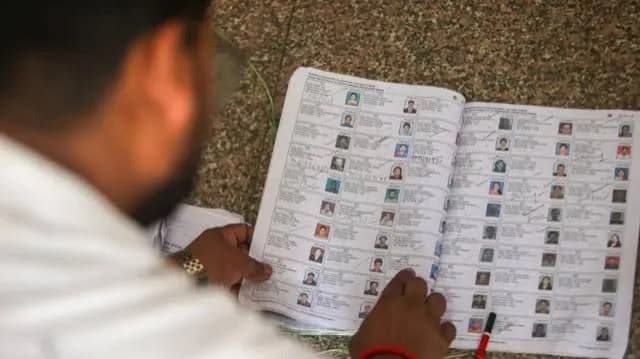




Nearly 20 lakh people listed as beneficiaries of government welfare schemes in West Bengal are reportedly untraceable, with officials unable to locate them at the addresses recorded in official documents. The issue came to light during efforts to distribute Ayushman Bharat health insurance cards and verify the details of eligible beneficiaries.
According to Nabanna sources, these individuals had received benefits under schemes introduced during the previous state government’s tenure. However, officials and ASHA workers tasked with delivering health insurance cards and completing e-KYC verification have reportedly been unable to find several beneficiaries at their registered addresses.
The development has triggered questions about the accuracy of beneficiary databases and allegations of irregularities in the administration of welfare schemes.
Ayushman Bharat card distribution raises questions over beneficiary records
The discrepancy reportedly surfaced when government officials began visiting households to distribute Ayushman Bharat cards and complete the mandatory verification process.
Officials also encountered difficulties locating several people while distributing Kisan Credit Cards, according to reports. These individuals were reportedly beneficiaries of schemes previously administered by the state government.
Several possible explanations have emerged for the missing beneficiaries. Some may have relocated after the Special Intensive Revision (SIR) of electoral rolls conducted ahead of the West Bengal Assembly elections. Others may have died, while speculation has also emerged that some could have moved to Bangladesh. However, these possibilities have not been independently established.
Also Read | West Bengal SIR appeals: Aadhaar authentication delays tribunal orders
The reported absence of beneficiaries has raised concerns about whether government records accurately reflect the people receiving welfare benefits.
West Bengal health minister alleges irregularities in Swasthya Sathi scheme
West Bengal Health Minister Sharadwat Mukhopadhyay has alleged large-scale financial irregularities in the Swasthya Sathi scheme, stating that the state government is examining its records in detail.
Speaking about the ongoing investigation, the minister said, “We are conducting a thorough investigation into the Swasthya Sathi statistics. Preliminary findings have revealed a scam worth Rs 25,000 crore to Rs 30,000 crore. There is still a lot left to investigate. It will take time. We have found information about fake cards, fake beneficiaries, forged doctors’ signatures, fake hospitals and fake third-party insurance. What you are seeing is only the tip of the iceberg of corruption. We are conducting a forensic audit of the entire matter.”
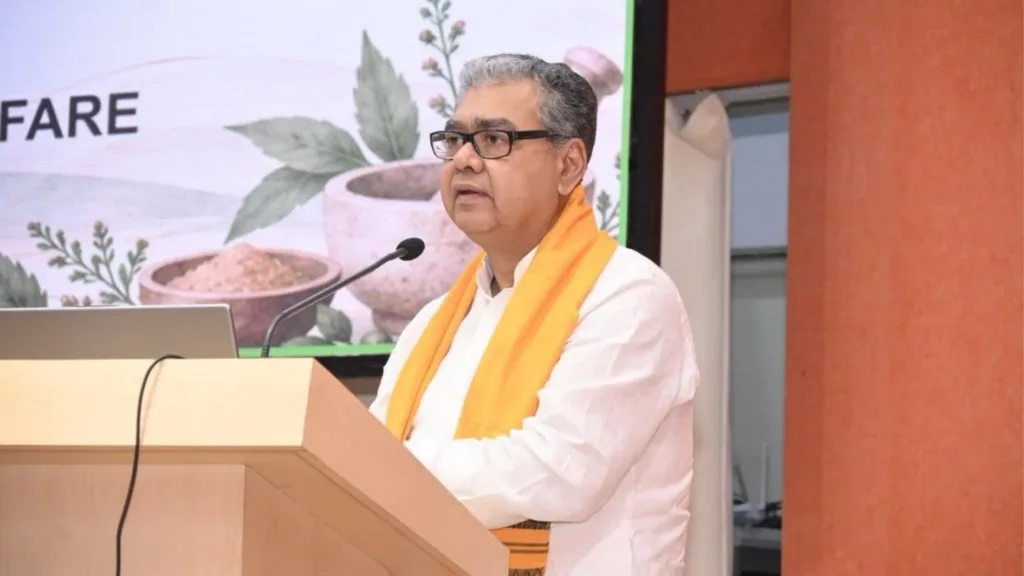
The minister’s remarks come amid allegations of irregularities involving beneficiary records and the administration of the state’s health insurance programme.
The state government is conducting a forensic audit to examine the matter further. The allegations and preliminary findings remain subject to the ongoing investigation.
How are Ayushman Bharat and Mukhyamantri Swasthya Bima Yojana beneficiaries identified?
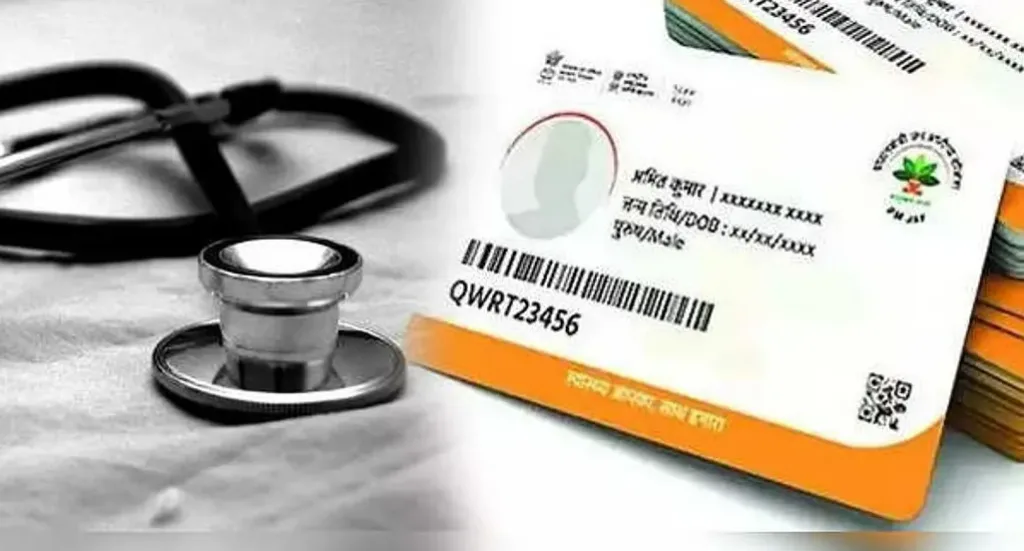
West Bengal introduced the Centre’s Ayushman Bharat health insurance scheme on August 16. The process of identifying eligible beneficiaries involves checking existing databases and verifying their details.
People whose names appear in the scheme’s database can download their Ayushman Bharat cards through the designated website.
If an applicant’s name is missing from that database, officials check whether it appears in the records maintained under the National Food Security Act, 2013. The relevant ration card categories include Antyodaya Anna Yojana (AAY), State Priority Household (SPHH) and Priority Household (PHH).
If the applicant’s name appears in the National Food Security Act database, officials check whether the e-KYC process, which involves household-level verification, has been completed.
Beneficiaries who have completed e-KYC must wait for their cards to be issued. They can also check their application status through the designated website.
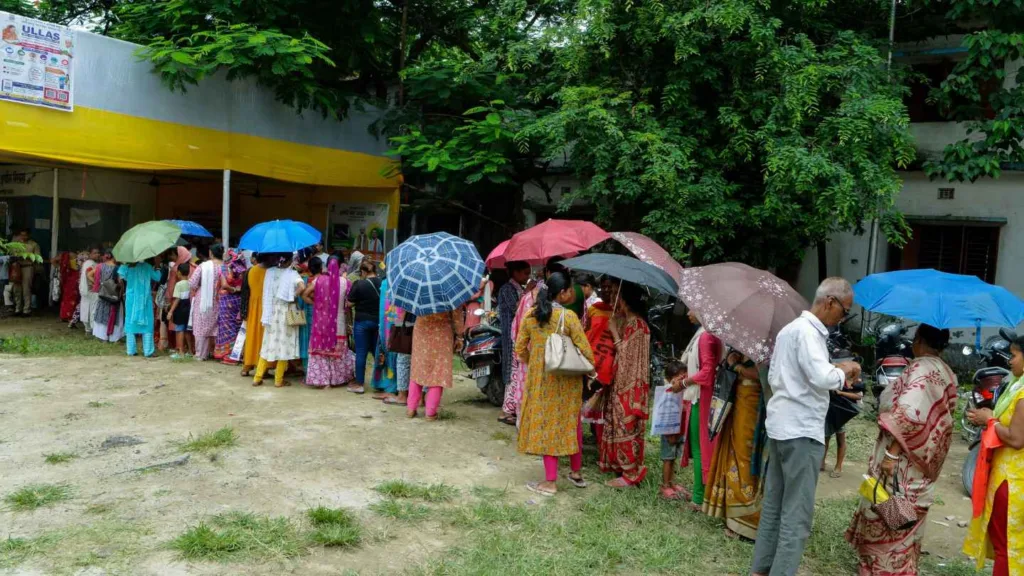
If e-KYC has not been completed, the verification process remains pending and must be finished before the application can proceed.
Applicants whose names do not appear in the National Food Security Act database can apply for the Mukhyamantri Swasthya Bima Yojana.
Where the necessary documents are in order, completing KYC for one member of a family is sufficient, according to the information provided.
People who previously received benefits under the state’s Swasthya Sathi scheme were subsequently included in the beneficiary pool for Ayushman Bharat and the Mukhyamantri Swasthya Bima Yojana.
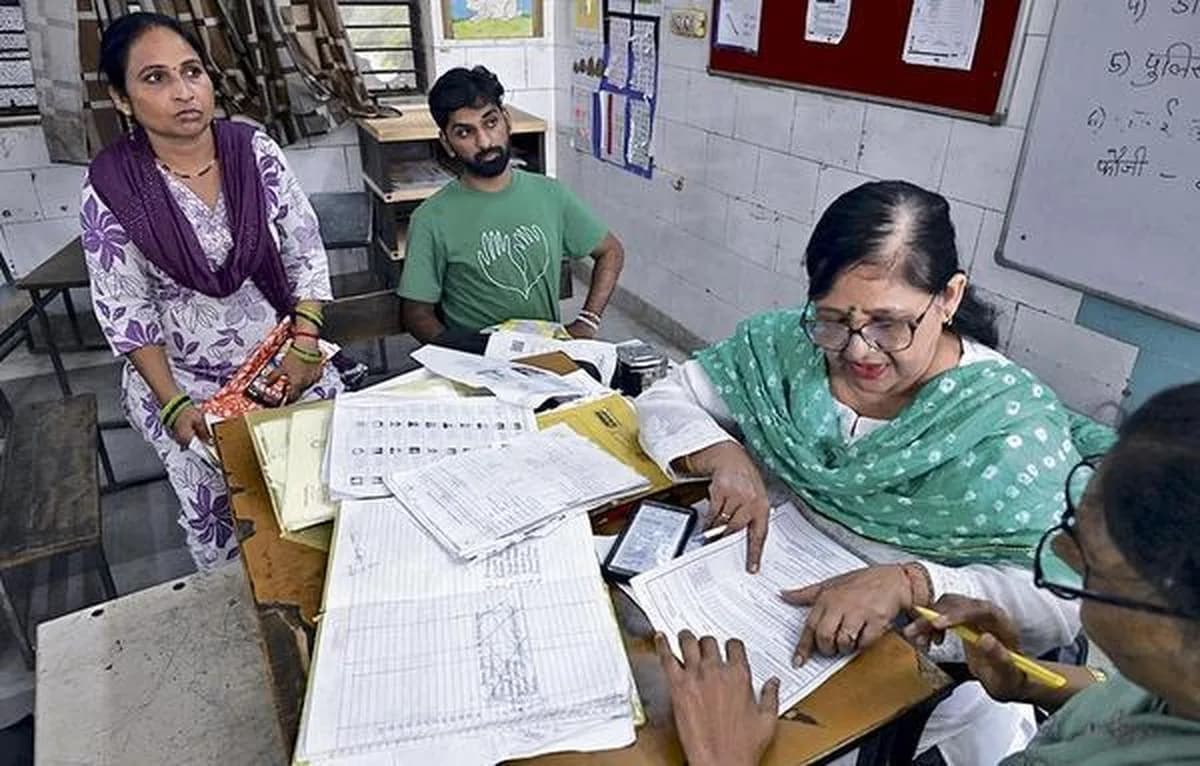
Officials and ASHA workers visited households to deliver cards and complete e-KYC verification. It was during these visits that some listed beneficiaries reportedly could not be located.
Who is eligible for Ayushman Bharat health insurance?
The state government’s BJP administration had earlier announced that economically disadvantaged families covered by Ayushman Bharat would be eligible for cashless treatment worth up to Rs 5 lakh annually at government hospitals and empanelled private hospitals.
The eligibility categories mentioned by the state include:
Landless families and daily-wage labourers.
Families belonging to Scheduled Castes and Scheduled Tribes.
Households living in kutcha houses or single-room homes.
Families without an earning male member aged between 16 and 59 years.
All senior citizens aged above 70, who are covered under the scheme’s senior citizen provision.
The scheme is intended to provide eligible beneficiaries with access to cashless hospital treatment, subject to the applicable eligibility criteria.
Ayushman Bharat cards distributed to over 4.23 crore people in Bengal
West Bengal had received applications covering approximately 4.42 crore people for Ayushman Bharat cards. Of these, the government has distributed cards to around 4.23 crore beneficiaries so far.
Also Read | West Bengal government plans Madrasah Service Commission merger with WBSSC
According to the figures cited in the report, 19,57,792 people received cards over the course of one month.
Murshidabad recorded the highest number of card recipients, with approximately 46.06 lakh people receiving their cards. North 24 Parganas and South 24 Parganas followed, while Kolkata recorded around 2.98 lakh card recipients.
The reported cases of untraceable beneficiaries have brought the accuracy of government welfare records under scrutiny. The ongoing verification process and forensic audit are expected to examine discrepancies in the relevant databases and the allegations of irregularities in the administration of welfare schemes.