
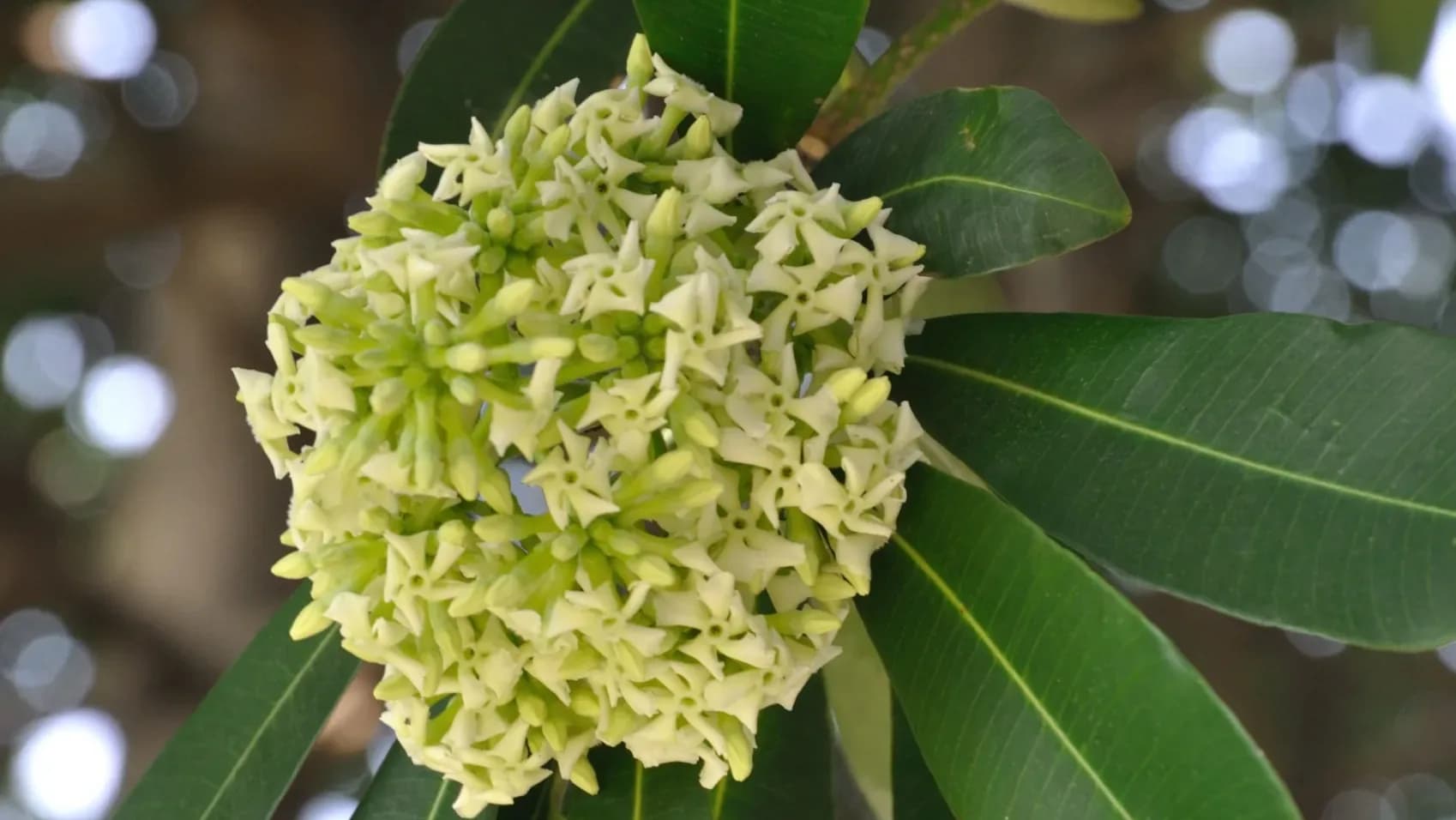














As October draws to a close, Delhi’s streets and neighbourhoods take on a distinctive floral fragrance. Just as preparations for Diwali gather pace, the air fills with the sweet, powerful scent of tiny flowers blooming on the Saptaparni tree. While the fragrance signals the changing season for some residents, others find it too strong to ignore.
The phenomenon is not limited to Delhi. In Kolkata, where the festive season brings the excitement of Durga Puja, the fragrance of Saptaparni can also become part of the city’s autumn experience. From festive evenings to neighbourhood walks, the seasonal scent adds another dimension to the atmosphere of eastern India’s biggest celebration.
What is the Saptaparni tree?
Known scientifically as Alstonia scholaris, Saptaparni is an evergreen tree native to the moist Himalayan region. It was planted extensively across Delhi from the 1940s onwards and has since become a familiar feature of the capital’s green spaces.
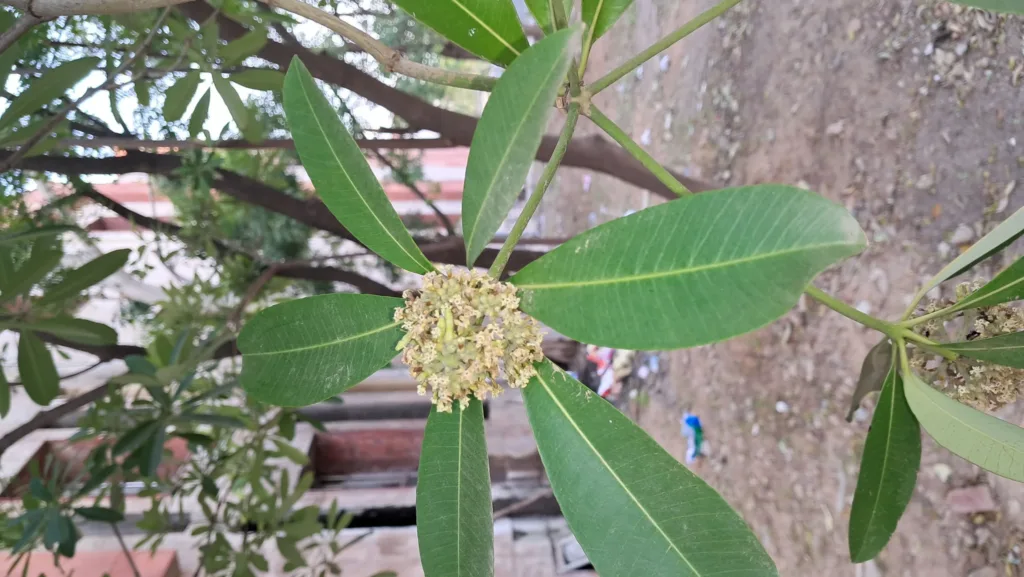
The tree is particularly noticeable in October, when clusters of small, pale flowers release a strong, sweet fragrance. Its scent can spread across entire neighbourhoods, making it one of the most recognisable seasonal smells in the city.
Why does Saptaparni smell so strong before Diwali?
The tree’s flowering season coincides with the festive period, which is why many people associate its fragrance with the arrival of Diwali. However, the scent does not appeal to everyone. While some welcome the sweet aroma as a sign of autumn, others find its intensity overwhelming.
Also Read | From sushi to wood-fired pizza, Delhi-NCR’s thelas get a gourmet makeover
This contrast has made the Saptaparni tree a talking point every year, particularly in areas where several trees bloom around the same time.
Saptaparni, Durga Puja and Kolkata’s autumn fragrance
In Kolkata, autumn is closely associated with Durga Puja, when illuminated streets, decorated pandals and the scent of flowers create a distinctive festive atmosphere. The fragrance of Saptaparni can become part of this seasonal experience, offering another sensory reminder of the time of year.
Although the tree’s flowering is a natural seasonal occurrence rather than a phenomenon exclusive to any festival, its timing can link the fragrance with memories of Puja celebrations and the transition towards Diwali.
Why is Saptaparni also called the Blackboard tree?
Saptaparni gets its name from its leaves, which often grow in whorls of seven. Its lightweight wood was traditionally used to make blackboards, earning it the familiar name Blackboard Tree.
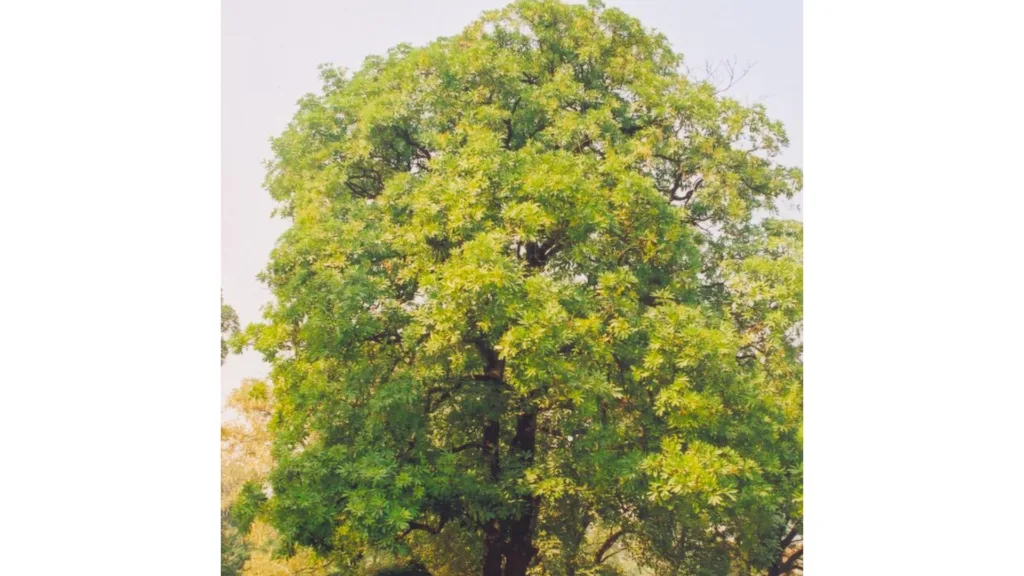
In some traditions, the tree is also known as the Devil’s Tree. Its older name, Yakshi-paalya, connects it with folklore surrounding yakshas and yakshis, nature spirits associated with beauty and supernatural powers.
More than just a fragrant tree
Beyond its seasonal flowers, Saptaparni is valued for its resilience and tolerance of pollution. It is also associated with traditional medicinal uses.
Also Read | Kolkata Durga Puja pandals 2026: Stunning Puja themes to explore this year
In Delhi, the tree can be found in green spaces such as Golf Links and Lodhi Gardens. Its presence in the capital’s urban landscape, combined with its unmistakable October fragrance, makes it a notable feature of the changing season.
Whether welcomed as a reminder of Diwali or recognised amid Kolkata’s autumn festivities, the Saptaparni tree offers a distinctive connection between nature and the celebrations that mark this time of year.