




The demand for a liquor ban in Ladakh has intensified after women’s representatives and religious organisations urged the Union Territory administration to prohibit alcohol sales, citing concerns about the region’s social and cultural fabric. Chief Secretary Ashish Kundra has called for wider consultations before any decision is taken, emphasising the need to consider community concerns alongside tourism, employment and economic activity.
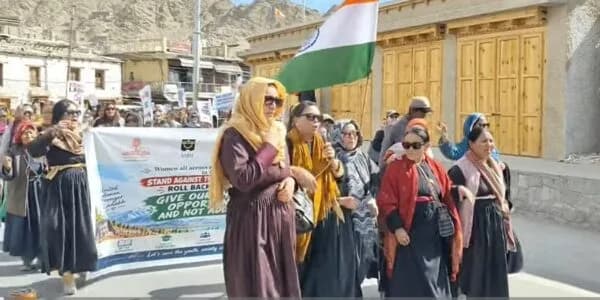
The issue has gained momentum as women continue their sit-in protest against the opening of new liquor outlets and the expansion of bar licences. The administration is now seeking a broader discussion involving religious groups, hospitality businesses and tourism stakeholders to explore a possible middle ground.
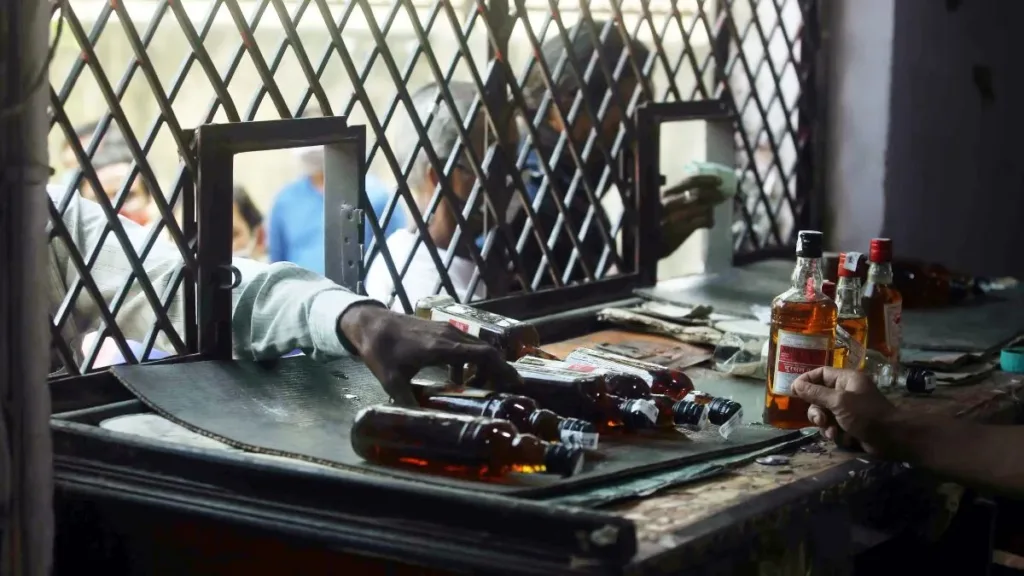
Ladakh’s liquor ban demand grows amid women’s protests
Women in Ladakh have been protesting against the administration’s excise policy and demanding a complete prohibition on liquor across the Union Territory. Representatives of religious organisations, including the Ladakh Buddhist Association (LBA) and Anjuman Imamia in Leh, have raised concerns over the number of bar licences issued in the region.
Climate activist and Leh Apex Body leader Sonam Wangchuk said in a post on X that protesting women had continued their sit-in for a sixth day and briefly stopped traffic on National Highway 1. He criticised what he described as policies that sought to address drug-related concerns while allowing more alcohol outlets and bars.
Ladakh’s liquor ban demand was discussed at a meeting chaired by Kundra with women representatives from religious organisations. The participants called for a complete prohibition, arguing that the expansion of alcohol sales raised wider social and cultural questions for the cold desert region.
The protests have placed the administration’s excise policy under increased scrutiny, with women’s groups seeking a policy response that addresses their concerns rather than limiting the discussion to the regulation of individual outlets.
Also Read | Delhi traders warn of ₹10,000 crore losses as Rahul Gandhi’s November 1 rally sparks major concerns
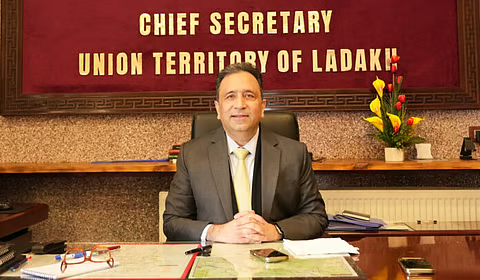
Excise policy sees increase in restaurant bar licences
Officials said Ladakh had two retail liquor outlets until last year, but only one was functional during the current year under the 2026–27 excise policy. At the same time, the number of functional bars attached to restaurants offering retail liquor sales increased from 23 to 40 after 17 additional licences were issued.
The rise in restaurant bar licences has become a key point of concern for those supporting Ladakh’s liquor ban. Religious representatives have questioned the expansion of alcohol availability and urged the administration to consider its potential effects on local communities.
Kundra acknowledged the concerns but said declaring Ladakh a completely dry Union Territory would require careful examination. He cited the experiences of states such as Bihar and Haryana, where prohibition has been associated with challenges including the spread of spurious liquor and drugs.
His remarks indicate that the administration is weighing the possible consequences of a blanket ban rather than committing to immediate prohibition. The debate therefore involves both the social concerns raised by protesters and the practical challenges associated with enforcing a complete ban.
Also Read | Election Commission tells Supreme Court 3 key SIR orders were unanimous, seeks dismissal of petitions
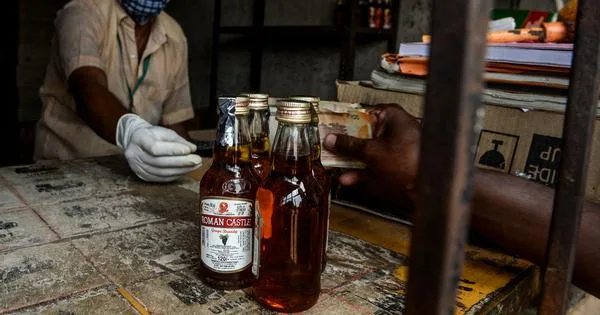
Tourism and employment central to decision on prohibition
Kundra said a wider consultation was necessary because tourism is a major source of economic activity and employment in Ladakh. He stressed that hotel associations, tour and travel operators, religious organisations and other affected stakeholders should participate in discussions before the administration reaches a decision.
The Chief Secretary suggested that the LBA president convene a broader consultation to help build consensus and identify a possible middle ground. He reiterated the importance of constructive dialogue and mutual understanding, while ensuring that women’s representatives and other stakeholders had an opportunity to present their views.
Ladakh’s liquor ban debate now centres on whether a policy can address community concerns without creating unintended consequences for livelihoods, tourism and the local economy. Supporters of prohibition want the administration to take stronger action against alcohol availability, while officials have called for a comprehensive assessment of the implications of a territory-wide ban.
No final decision on complete prohibition was announced in the report. The next step is expected to involve wider consultations, with the administration considering the concerns of religious organisations, women’s groups and representatives of the tourism and hospitality sectors.