













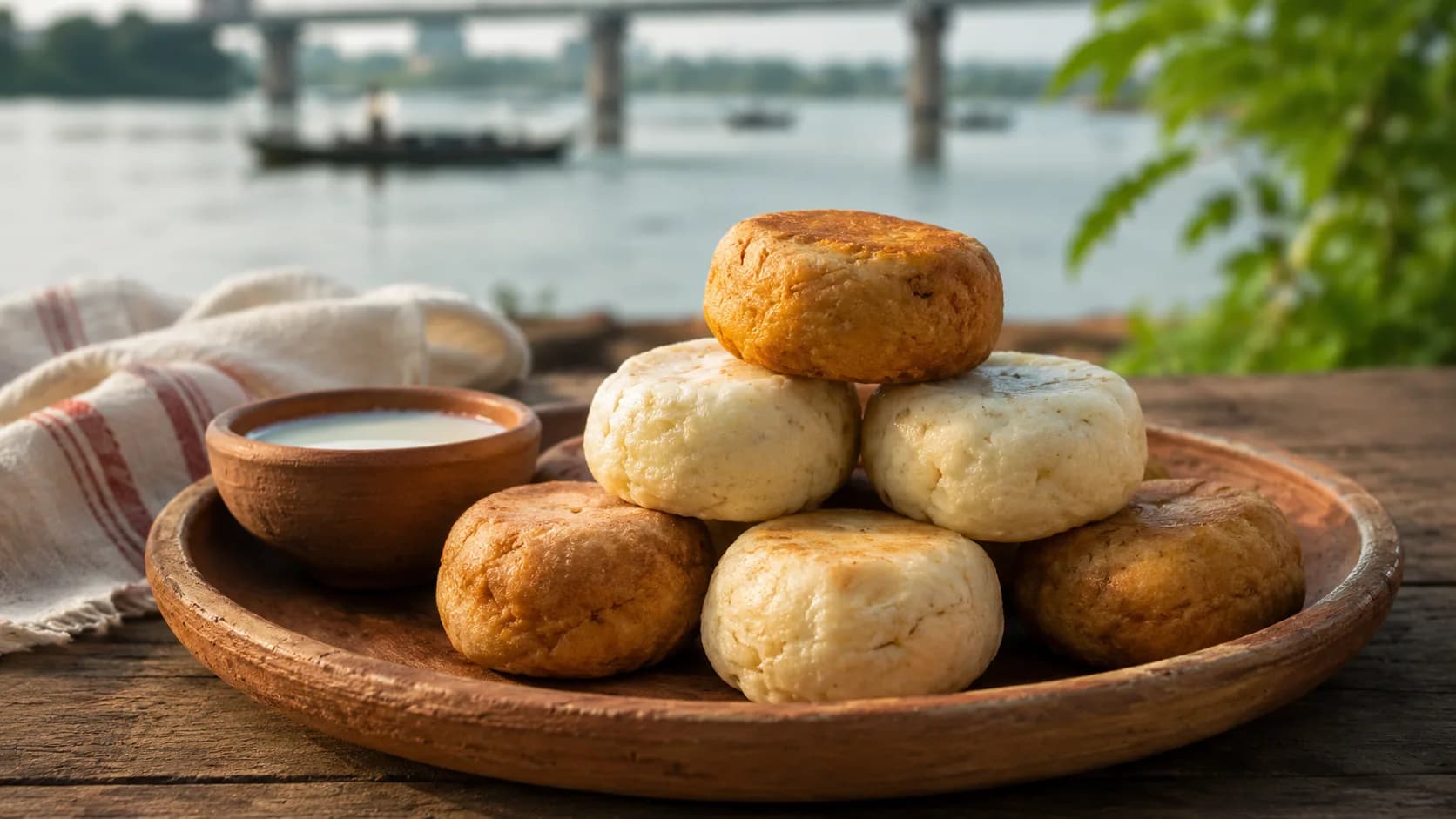
Bandel cheese has gone places its makers could hardly have imagined. From a village in Bankura, the sharp, smoky cheese has found its way to London and New York, earning attention from chefs, food writers and curious diners. Back home, however, the story is far less glamorous. Here, one of Bengal’s last traditional cheesemakers is still working over fire and smoke, unsure of what the next generation will do with the craft.
In Chak Chand village, Palash Ghosh carries on a family tradition that has passed from one generation to the next. He can make hundreds of pieces at a time, but producing more does not necessarily mean earning more. The traders who take the cheese to the market, he says, make the money while the makers remain on uncertain incomes.
Years of work, hours over the fire
Bandel cheese is not something that can simply be rushed into production. Preparing it takes about three hours, after which the cheese is smoked over a fire for another four to five hours. Ghosh says he and his father could earn around Rs 600 a day doing other work. Yet they continue to make the cheese, even as milk and sugar prices rise and the returns from traders remain low.
Also Read | Can you buy a gun for self-defence in West Bengal? Know the rules
Ghosh also says access to the Kolkata market remains tightly controlled. Traders in New Market, where Bandel cheese is sold, do not share the source details with potential buyers, while the prices offered to makers have not kept pace with rising costs.
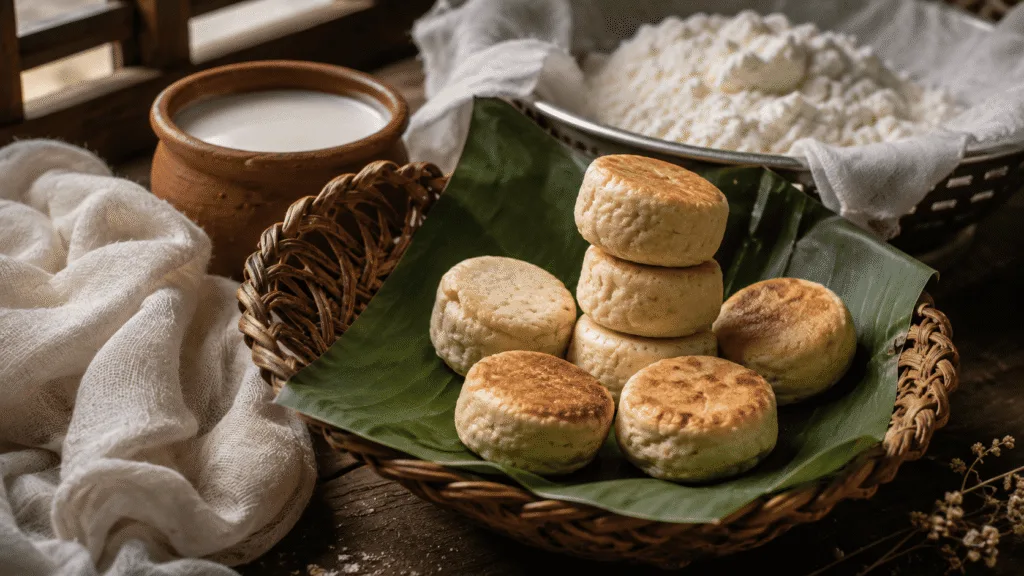
Ghosh travels from his village to Kolkata with consignments of around 10,000 pieces at a time. The cheese is available through a handful of New Market shops and via home delivery from The Whole Hog Deli.
When appreciation does not pay the bills
Bandel cheese has attracted celebrity chefs, documentaries and articles, and has even reached international tables. But fame has not translated into the infrastructure needed to produce and sell it on a larger scale. Regulatory requirements and the absence of standardisation have also stood in the way of large-scale exports.
That is where research could offer a way forward. At FTSI TCG CREST, researchers are studying how the cheese can be produced at scale without losing the qualities that make it distinctive. The work also focuses on standardising the product, potentially making it easier to meet export requirements.
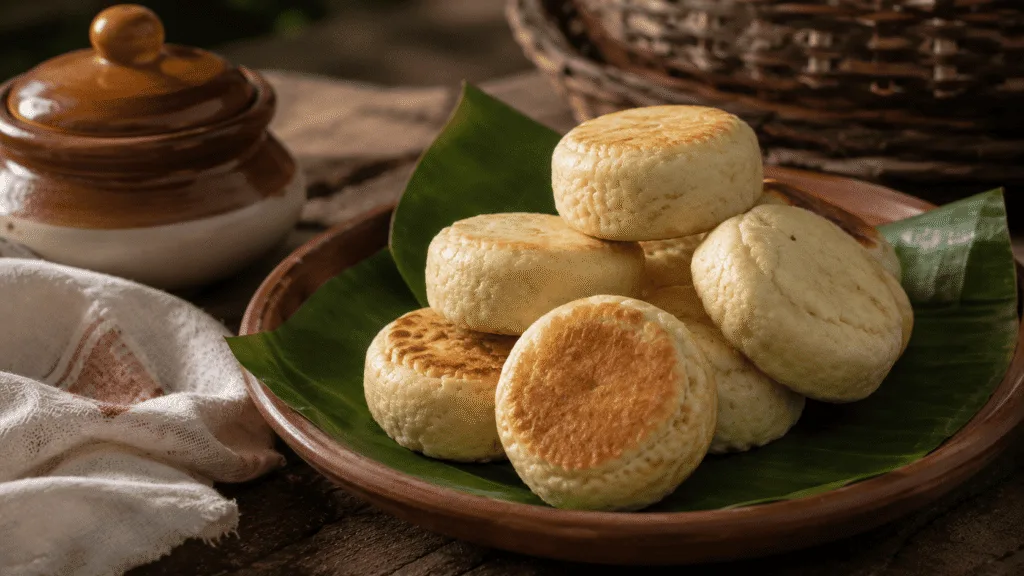
There has been a parallel push for a Geographical Indication tag. The National University of Juridical Sciences applied for the GI tag, but the process has remained stuck over procedural hurdles.
Also Read | Is the magic of Bengal’s music now lost, or is another story waiting to unfold?
For Ghosh, though, recognition on paper is only one piece of the puzzle. He is looking for better production facilities, packaging, market access and practical support. What weighs on him most is not whether Bandel cheese will remain famous, but whether anyone will remain to make it.
He has a son. And despite spending years preserving his family’s craft, Ghosh says he does not want his son to follow him into it. If the cheese can travel across the world but cannot provide a secure future for the hands that make it, he asks, what is left for the tradition to offer the next generation?