











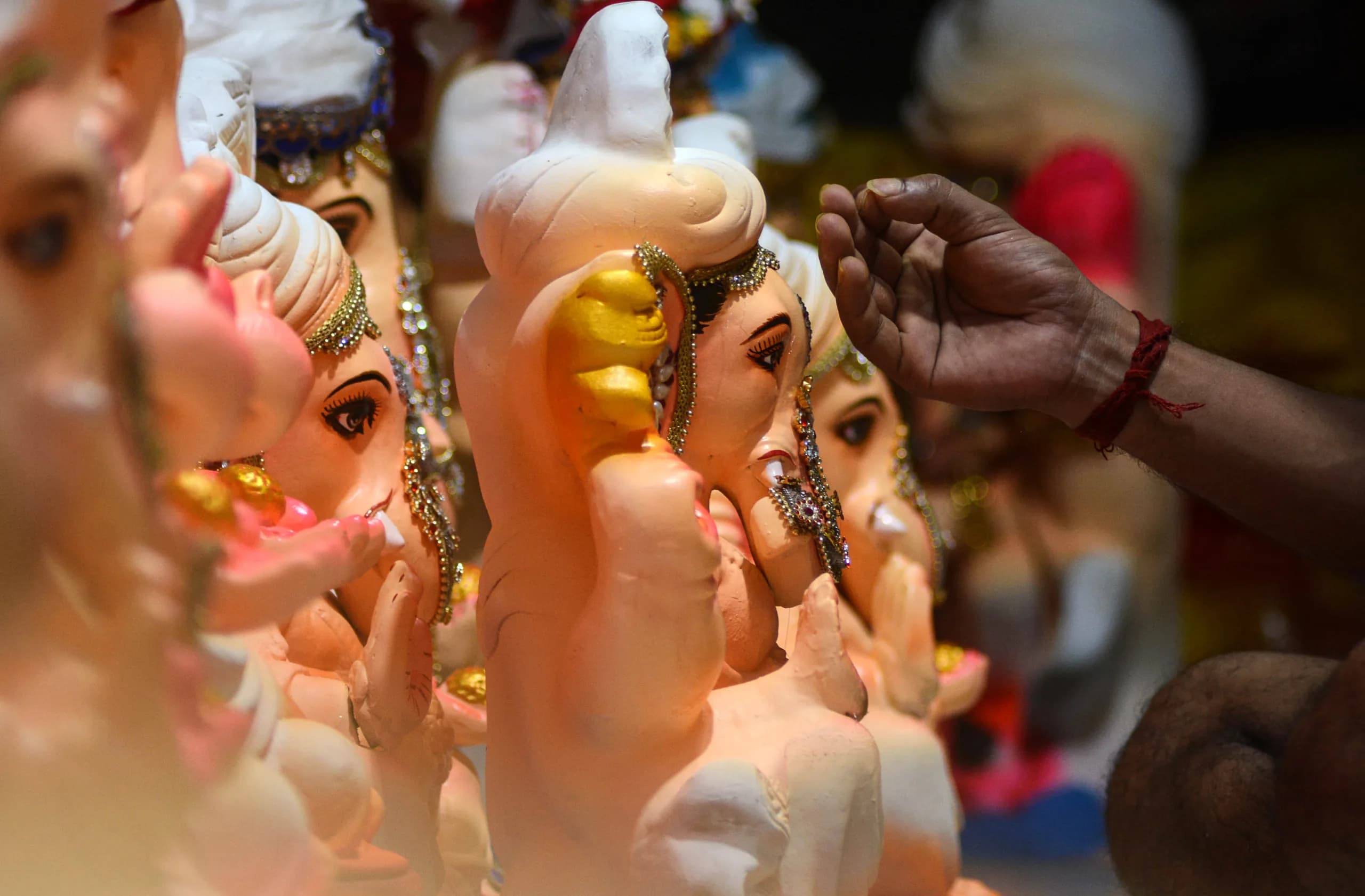
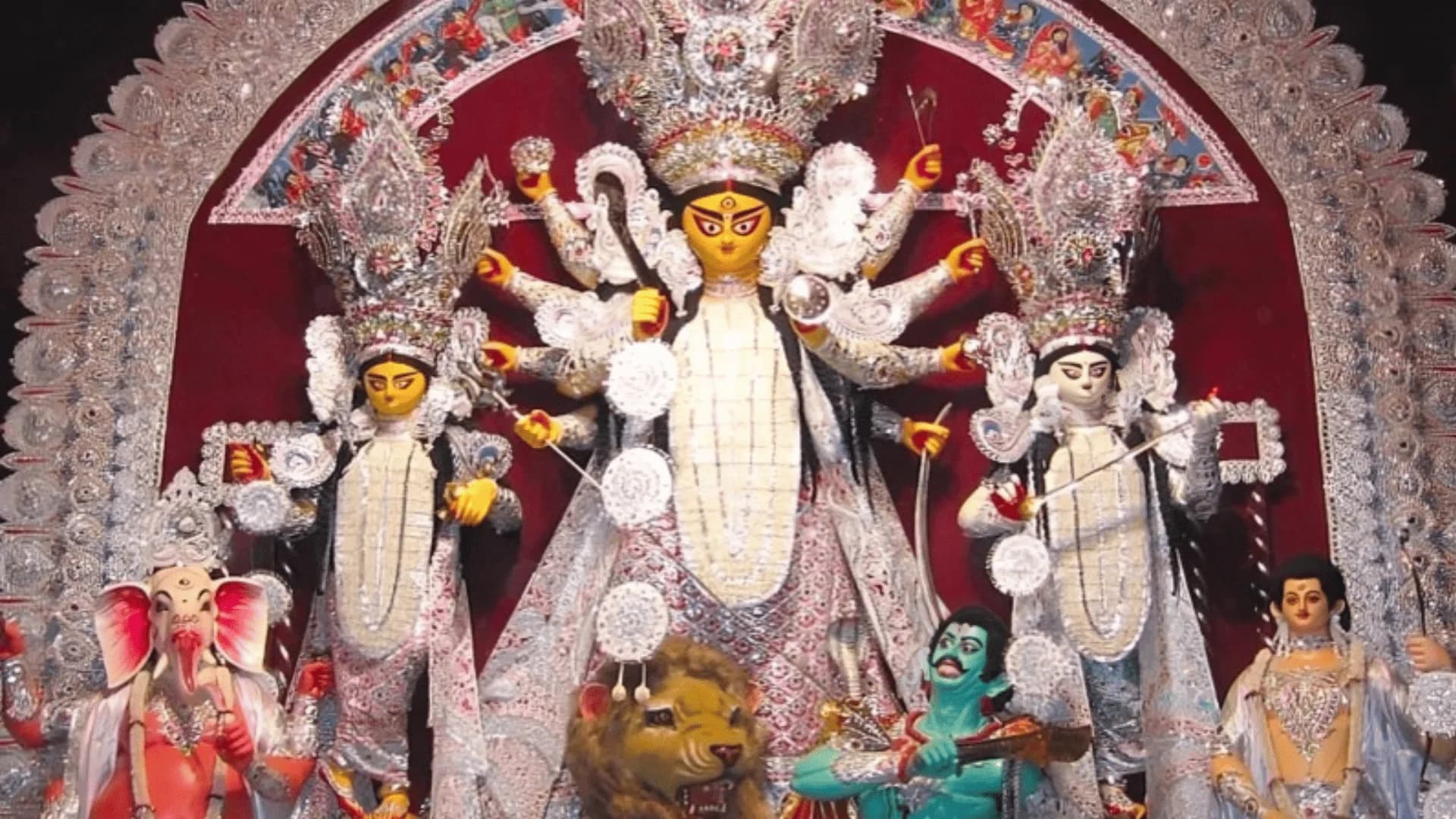



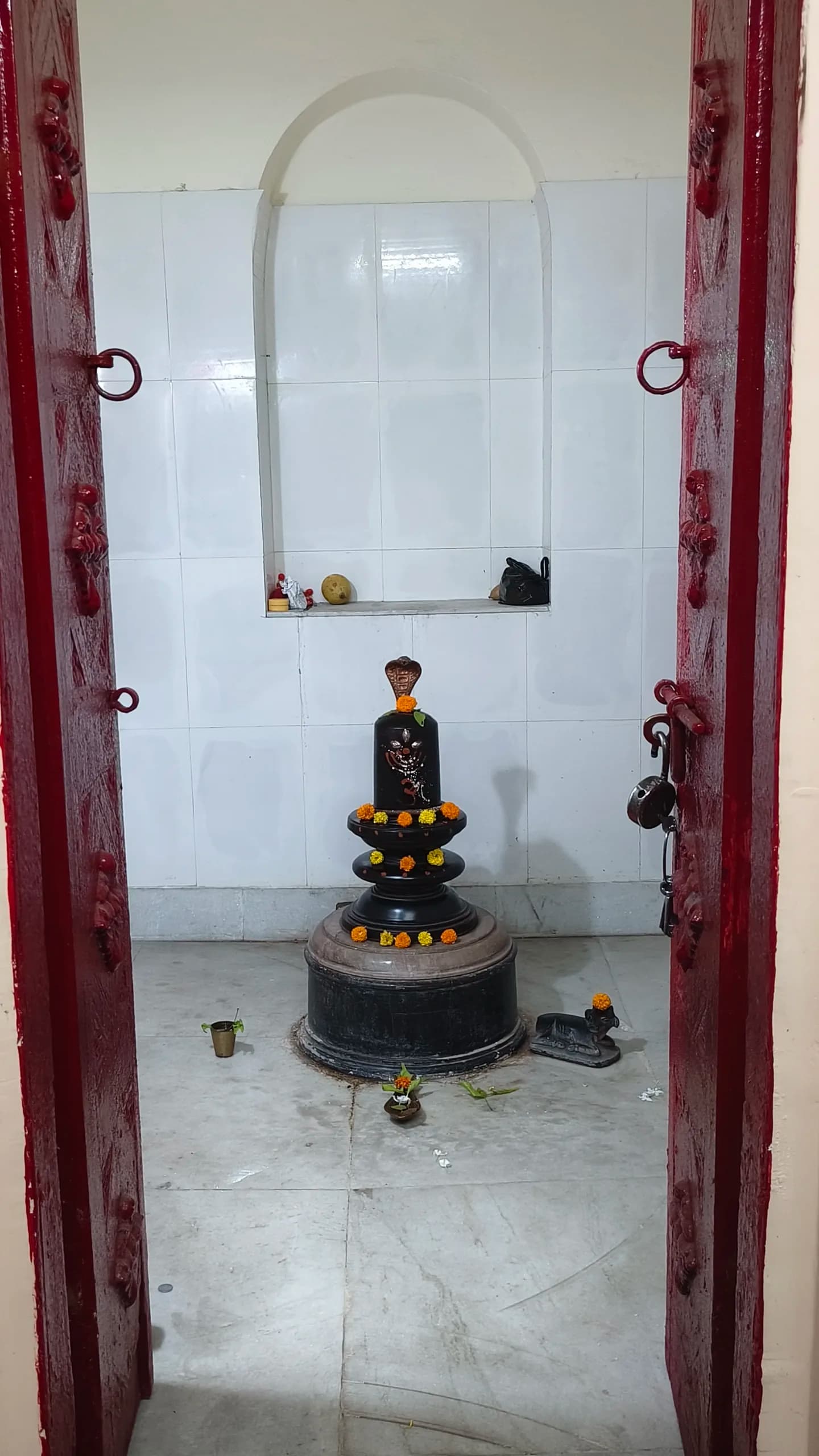
Walk into almost any ancient Hindu temple and a fascinating pattern begins to emerge. Vishnu appears in majestic human form holding the conch, discus, mace and lotus. Krishna stands gracefully with the flute. Rama carries the bow. Durga rides the lion, Lakshmi sits upon the lotus, and Ganesha is instantly recognisable by his elephant head. Yet when one enters the sanctum of a Shiva temple, the experience changes completely. Instead of an elaborate human figure, one usually encounters a smooth, cylindrical stone rising from a circular base: the Shiva Lingam.
Why is Shiva worshipped as a Lingam?
This raises an enduring question: Why is Shiva primarily worshipped as a Lingam while most other Hindu deities are worshipped through anthropomorphic idols?
The answer is more of a process of Indian philosophy rather than a single story. Shiva holds a special place in the Hindu mind. Vishnu is regarded as the preserver who keeps coming into the world in various avatars like Rama and Krishna, and Devi appears in individual forms to save creation, but Shiva is the one who is beyond creation and will remain after destruction.
He is the Adi Yogi, the one outside society, the Ascetic who has nothing, the dancer who dances cosmic rhythm, creating and destroying worlds, the one who is without form, the one from which all forms emerge. It is not easy to represent such a creature in a single humanised image.
The Sanskrit word Lingam itself provides the first clue. Contrary to popular misunderstanding, linga does not simply mean an object of worship. In classical Sanskrit it primarily means ‘mark,’ ‘symbol,’ ‘sign’ or ‘characteristic.’ A Lingam is therefore not intended to be a portrait of Shiva but a sign pointing towards His presence. Just as smoke is the linga of fire because it indicates the existence of flames, the Shiva Lingam is the visible sign of an invisible reality, the Supreme One.
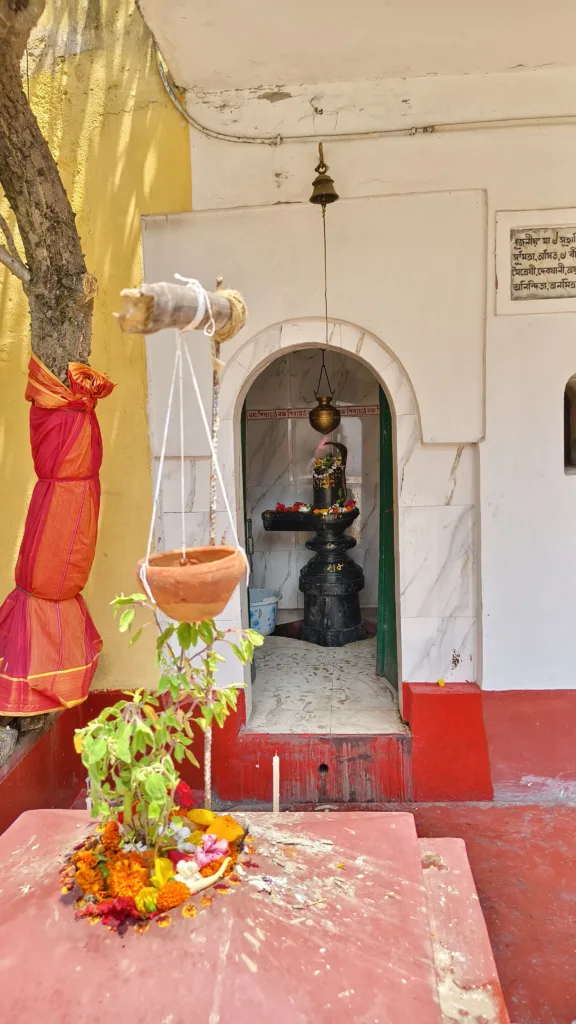
This knowledge is beautifully expressed in the Linga Purana. Once Brahma and Vishnu had an argument about who was superior. Just then, a column of unending light radiated in front of them, taller than the sky and deeper than the earth. Vishnu was amazed and went downward in the form of a boar, while Brahma went up in the shape of a swan, and both tried to find out the beginning or the end of the column. Neither succeeded. After countless ages, they came back, stating that the pillar was without origin and had no end. Then Shiva emerged from the infinite light and showed that the infinite is not measurable by finite minds. The Jyotirlinga, or the pillar of divine light, was established as the theology of the Shiva Lingam. In the temples, the stone worshipped by the Lingam is interpreted as being a symbol of that limitless cosmic axis
Unlike the idols of Vishnu or Krishna, which recall particular episodes in Hindu mythology, the Lingam points beyond history altogether. It represents Shiva before He assumes form and after every form has disappeared. In philosophical language, it symbolises Nirguna Brahman, the Divine beyond qualities, while anthropomorphic images generally express Saguna Brahman, the Divine with qualities accessible to human devotion.
Why the Shiva lingam is central to Hindu worship
Both these ways are adopted by Hinduism. Some are more comfortable with a personal form. Some are more comfortable with a form that is filled with compassion and familiar attributes. Others look for the transcendental reality, which cannot be portrayed with the normal imagination. Shiva is the unique one that connects the two worlds. He is revered as Mahadeva, the compassionate Lord with matted hair and crescent moon and as the formless Lingam (embodiment of infinite consciousness).
The worship of sacred stones is suggested by archaeology to be older than the actual building of temples in India. Long before the advent of elaborate sculptures, natural rocks, mountains, rivers and trees were regarded as the presence of the Divine. This ancient tradition is believed to be refined and carried on through the Shiva Lingam. This notion is continued by many of the twelve Jyotirlingas.
ALSO READ| Did you know Bengal once had its own airline? Here’s why it never took flight
The other major component of the Lingam is the circular base called the Yoni or Pitha, which is on which the upright stone stands. The symbolism of these elements is usually interpreted only in a biological sense, but classical philosophy is much broader. The Lingam symbolises the pure consciousness or Purusha and the Yoni symbolises the creative energy or nature, Prakriti. Their marriage is an allegory for the fact that consciousness and creation are one.
The universe exists because stillness and energy, Shiva and Shakti, remain eternally united. Without consciousness, energy becomes directionless.