








The epic Kalevala, is much more than a collection of ancient myths and heroic tales. Nearly 200 years after its first publication, the national epic of Finland Kalevala continues to tell the story of a cultural world shared by two closely related peoples, the Finns and Karelians.
The work, which runs to nearly 23,000 lines, was first published in 1835 by Finnish physician and folklore collector Elias Lönnrot. It was not an entirely original literary creation. Lönnrot travelled through Finland and Karelia, collecting traditional songs and poems that had been passed down orally for generations. He then shaped this material into a connected epic.
That history makes the Kalevala unusual. It is celebrated as a symbol of Finnish national culture, but many of the songs and stories that form its foundation came from Karelia, a region now divided between Finland and Russia.
A shared culture divided by history
Finland and Karelia have long been home to communities with closely related languages, traditions and folklore. Their geographical landscape of forests, lakes, marshes and farmland helped shape a distinctive oral culture in which stories were preserved through singing.
However, the two communities developed under different political powers. Finland came under Swedish rule and was influenced first by Roman Catholicism and later Lutheranism. Karelia came under Russian rule and developed stronger connections with Orthodox Christianity.
Wars between Sweden and Russia repeatedly turned the region into a battlefield. Yet political divisions did not erase the cultural similarities between Finns and Karelians. Folk singers continued to preserve stories about mythical heroes, supernatural powers and a distant legendary past.
These oral traditions eventually became the raw material for Lönnrot’s Kalevala.
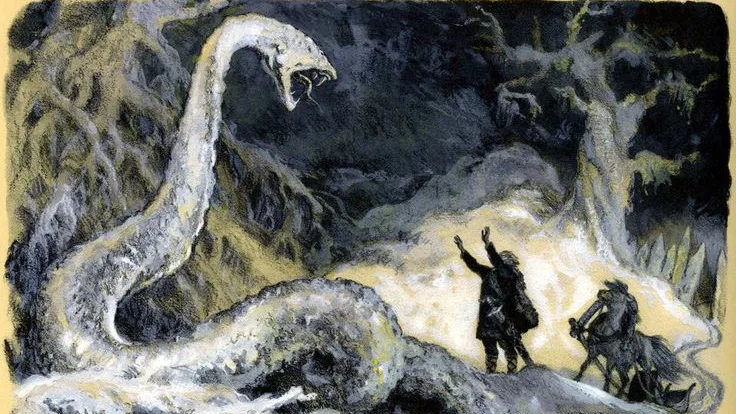
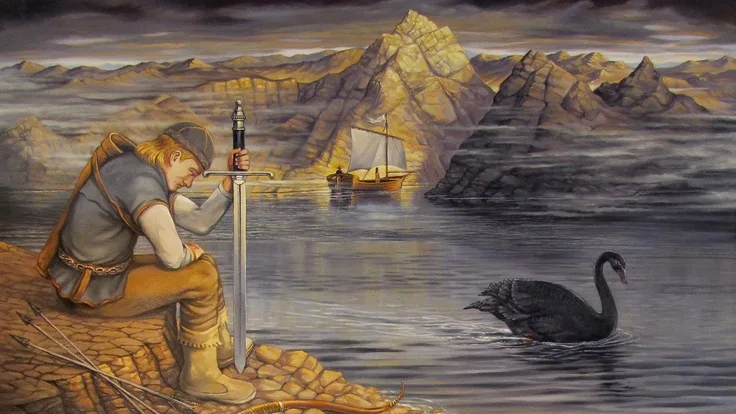
One of the epic’s most famous stories revolves around the Sampo, a mysterious magical object capable of producing whatever its owner desires. The heroes Väinämöinen, Ilmarinen and Lemminkäinen become involved in an attempt to take the Sampo from Pohjola, the northern land ruled by Louhi. The struggle ultimately destroys the magical object and its promise of prosperity.
The epic also contains stories of creation, magic, death, resurrection and heroic journeys. Its distinctive poetic rhythm later influenced writers beyond Scandinavia, including American poet Henry Wadsworth Longfellow.
How the Kalevala became a symbol of Finnish identity
Lönnrot’s work appeared at a crucial moment in Finnish history. In 1809, Russia acquired Finland after another conflict with Sweden, turning Finland into an autonomous grand duchy under the Russian Empire. This political situation gave Lönnrot an opportunity to travel through areas where Finnish and Karelian oral traditions survived.
The Kalevala eventually became important to a growing Finnish sense of national identity. At a time when Finland was caught between larger political powers, the epic offered stories, characters and traditions that could be presented as distinctly Finnish and Karelian rather than Swedish or Russian.
History behind Kalevala
During the 19th century, Russian authorities increasingly pursued policies aimed at Russifying Finland and other parts of the empire. Finnish artists and intellectuals responded by drawing on their own cultural traditions. The Kalevala became an important source of inspiration.
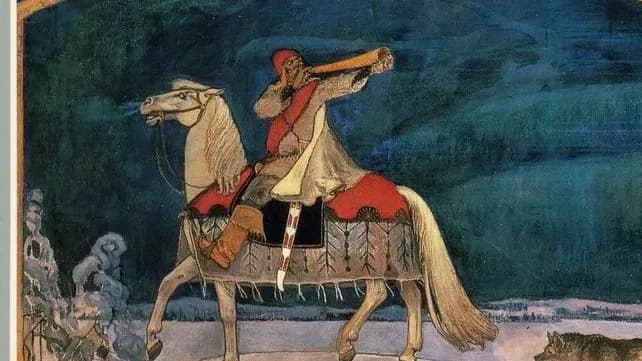
Painter Akseli Gallen-Kallela used its stories and characters in several major works, while composer Jean Sibelius drew on the epic for his 1896 Lemminkäinen Suite, also known as Four Legends from the Kalevala. These artistic adaptations helped carry the epic beyond folklore and literature into painting, music and the wider cultural imagination.
Finland eventually declared independence in 1917 following the Russian Revolution. But the history of the region remained turbulent. Conflicts, shifting borders and population movements continued to affect both Finns and Karelians.
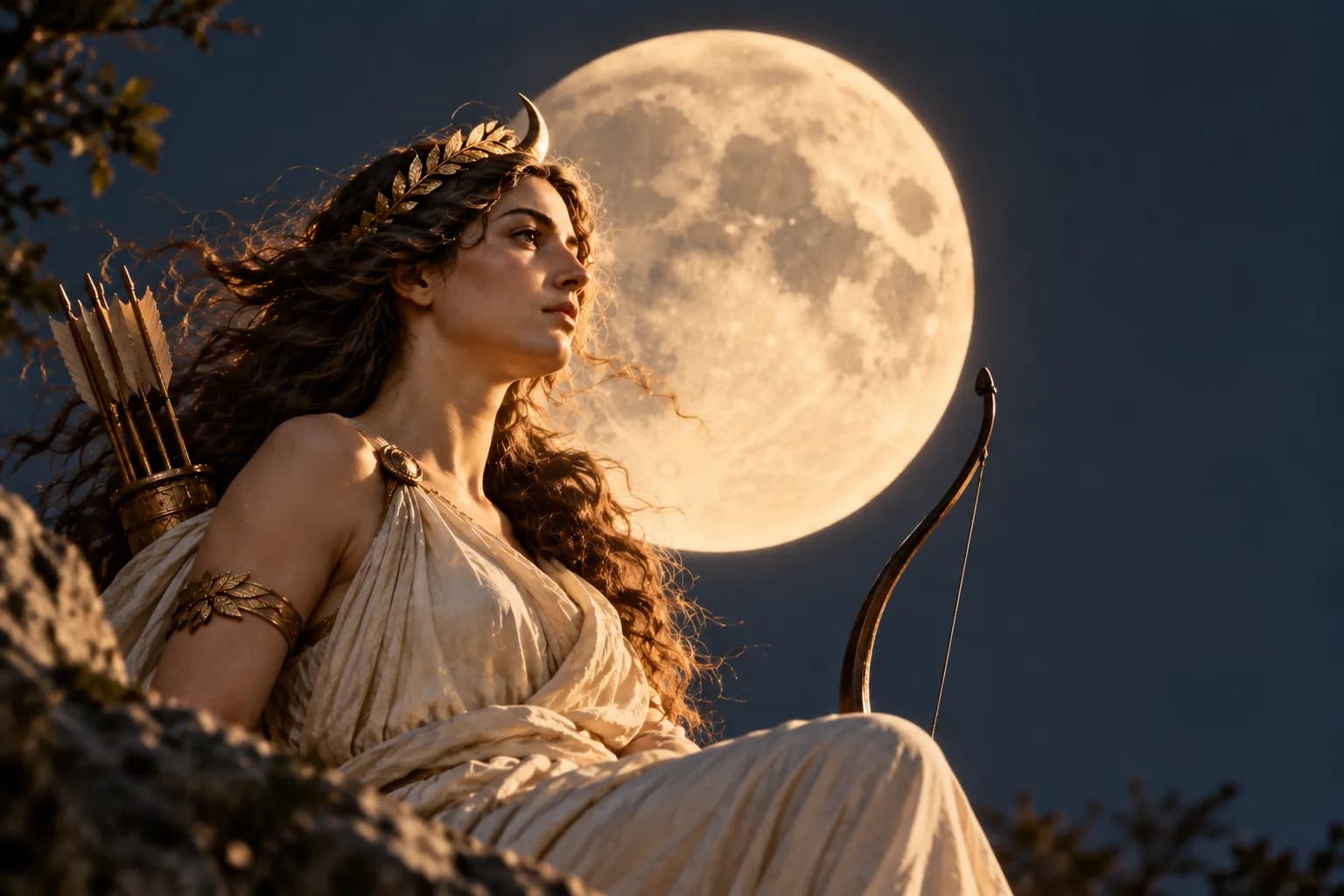
Also Read | Why is NASA’s Moon mission named Artemis? The story behind it
Under Soviet rule, many Karelian communities experienced Russification, assimilation and migration. Karelian speakers became a small minority in the Republic of Karelia, while another Karelian population remained in Finland.
For a period after the collapse of the Soviet Union in 1991, the Finnish-Karelian border again became a place of cultural exchange. Organisations worked to preserve the heritage associated with the Kalevala, while musicians and artists continued to find inspiration in its mythology.
That period of openness has since changed. Finland joined NATO in 2023, and following Russia’s invasion of Ukraine, tensions along the Finnish-Russian border increased. Finland closed its land border with Russia indefinitely in December 2023 and began strengthening parts of the frontier.
The Kalevala therefore carries a meaning that goes beyond its myths. It is a literary monument shaped by oral traditions from two closely connected cultures, but also a reminder of how political borders can divide communities whose cultural histories remain intertwined.
Also Read | 5 Indian animals steeped in mythology, folklore and tradition
The Kalevala day
Every year on February 28, Finland observes Kalevala Day, also known as the Day of Finnish Culture. The date marks the completion of the first edition of Lönnrot’s epic. Nearly two centuries after its publication, the Kalevala remains both a cornerstone of Finnish identity and a record of a cultural heritage that stretches across the modern Finnish-Karelian border.