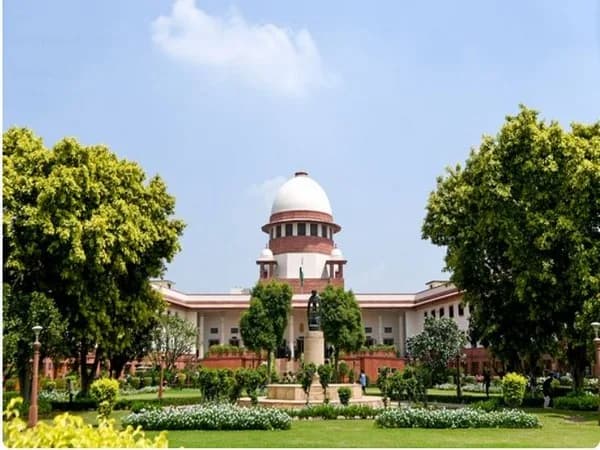




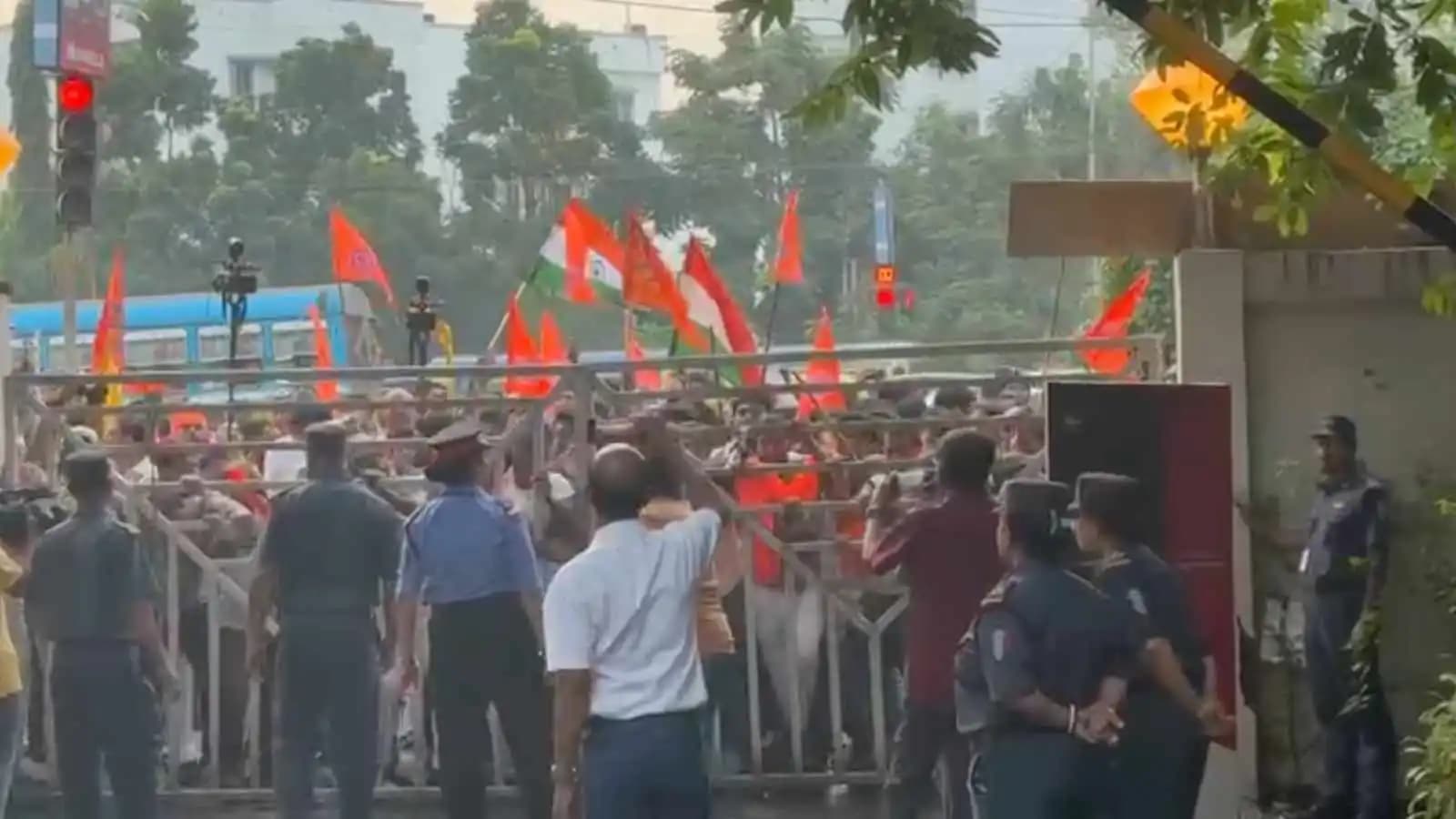
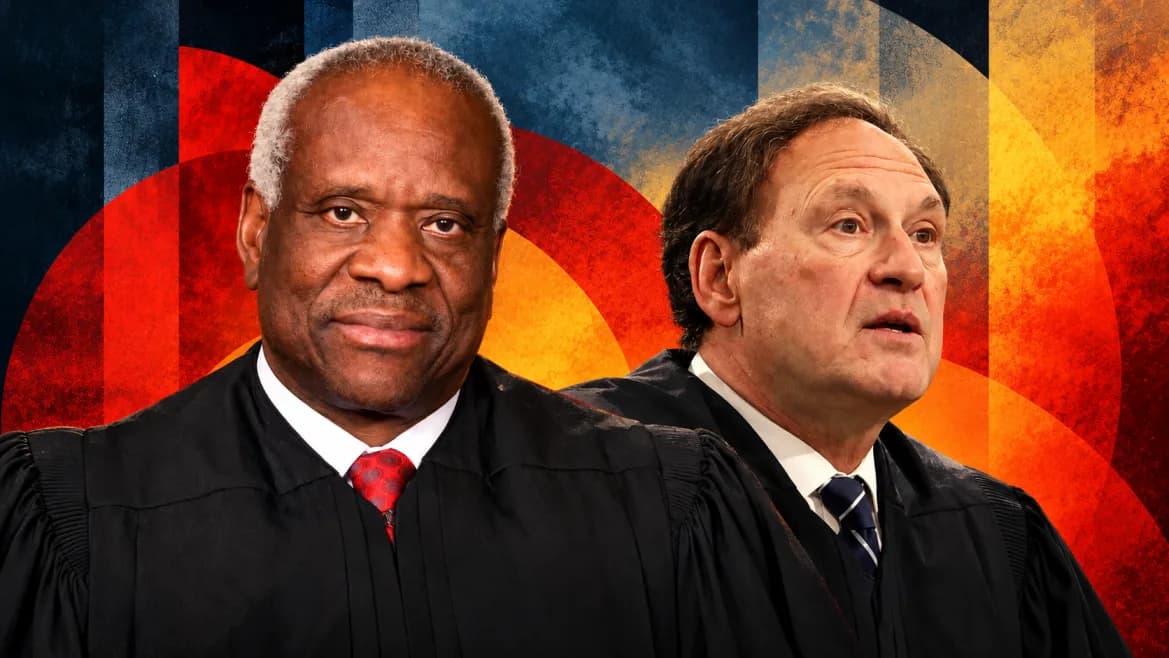





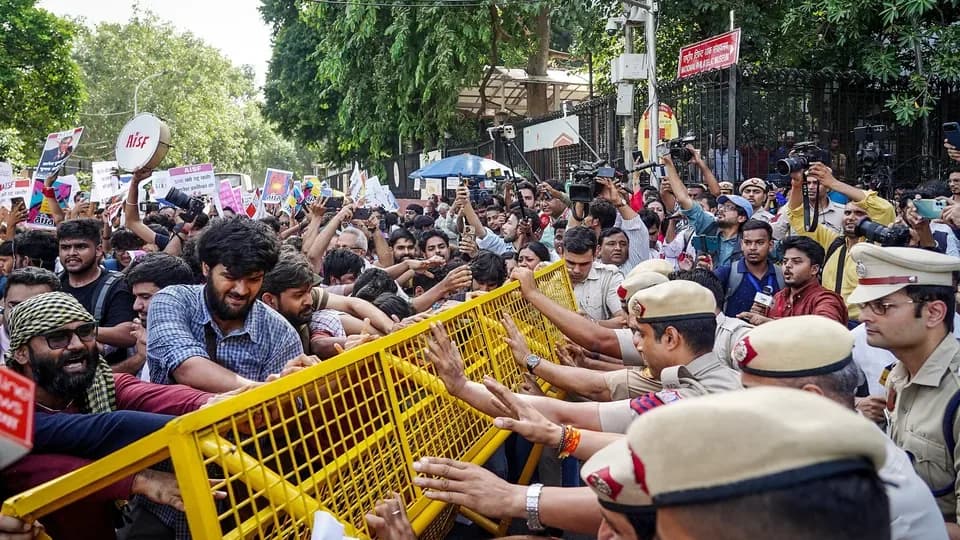

The Supreme Court has stepped into the growing controversy surrounding the Special Intensive Revision of voter rolls, seeking responses from the Centre and the Election Commission of India over allegations concerning the functioning of Chief Election Commissioner Gyanesh Kumar and decisions taken during the voter-list revision exercise. The proceedings come amid protests and political demands for greater transparency in the process.
The Supreme Court proceedings are significant because the petitions raise questions not only about voter deletions but also about whether decisions involving the electoral process were taken collectively by the three-member Election Commission. The court, however, has not accepted the allegations as facts and has sought responses from the concerned authorities before reaching any conclusion.
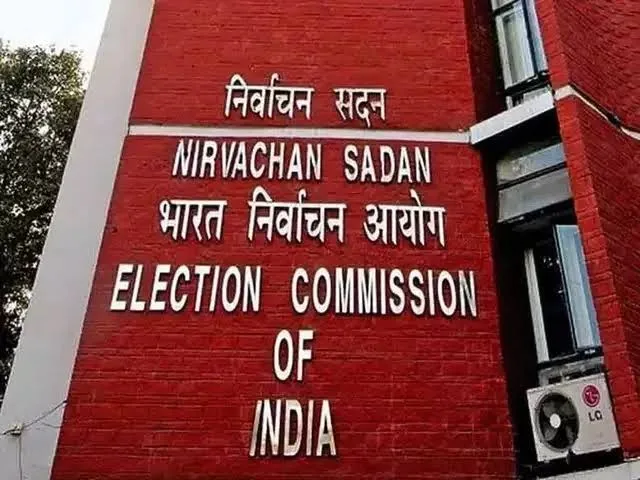
Supreme Court voter roll case raises questions over ECI functioning
A three-judge bench headed by Chief Justice of India Surya Kant, along with Justices Joymalya Bagchi and V Mohana, issued notices in petitions challenging the functioning of the Election Commission and the role of Gyanesh Kumar in decisions connected with the SIR exercise.
One of the petitions referred to several decisions allegedly taken without the concurrence of the other two Election Commissioners. The issue assumes importance because the ECI is a multi-member constitutional body, and the petitioners have questioned whether decisions concerning electoral rolls and voter registration were taken in accordance with the required decision-making process.
The Supreme Court has also indicated that it cannot base an order solely on media reports. It wants the Election Commission to respond to the allegations before deciding whether any action is warranted.
The court declined to pass an immediate ex-parte order seeking the suspension of Kumar, choosing instead to hear the responses of the respondents.
Also Read | Delhi Police deploys 5,000 personnel ahead of EC protest marches at India Gate-Jantar Mantar
What is the SIR, and why has the voter roll process faced criticism?
The Special Intensive Revision, or SIR, is an exercise aimed at reviewing and updating electoral rolls. The Election Commission has maintained that the process is intended to identify and remove duplicate, deceased and otherwise ineligible entries while ensuring that eligible voters remain on the rolls.
The controversy intensified after an investigation by The Indian Express reported that the other two Election Commissioners, Sukhbir Singh Sandhu and Vivek Joshi, had formally raised objections on several occasions over decisions linked to the SIR process. The report said such objections had been recorded at least 14 times over 10 months.
According to the same report, more than 13 crore names were struck from draft electoral rolls across 30 states and Union territories during the national SIR exercise. The scale of the deletions has triggered concerns among opposition parties and civil society groups about the possibility of eligible voters being left out.
However, the deletion of names from draft rolls does not by itself establish that all those voters have permanently lost their right to vote. The ECI has undertaken corrective measures in several places, including efforts to identify voters missing from revised rolls and help eligible citizens re-enrol.
Also Read | India shooting ammunition shortage: Did old .22 ammo affect Asian Games performance?
Form 6 controversy adds another layer to voter roll row
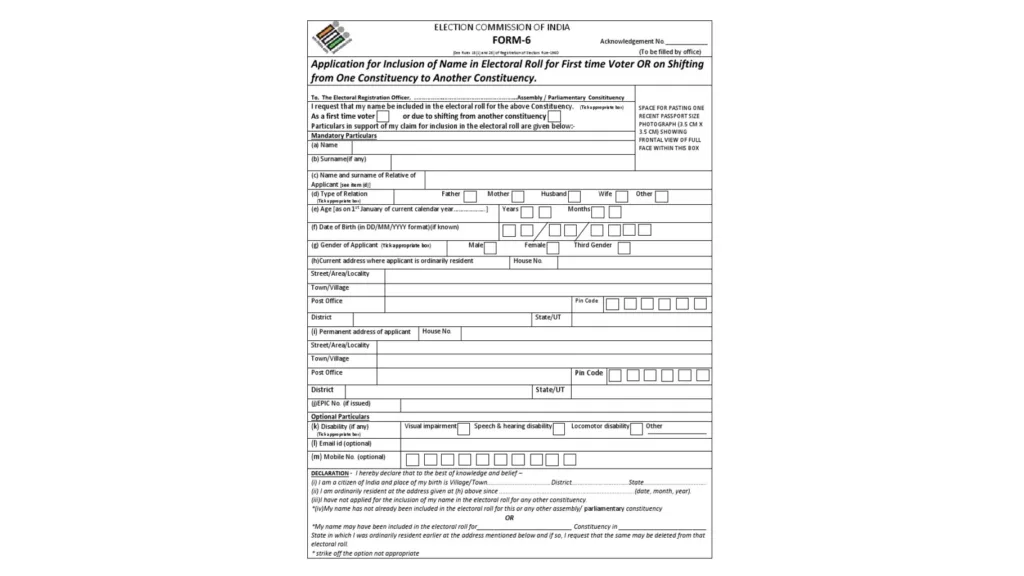
The voter roll dispute also involves Form 6, which is used by citizens seeking inclusion in electoral rolls. During the October 5 hearing, CJI Surya Kant clarified that the Supreme Court had not approved changes to Form 6 that are now under scrutiny.
The court is examining questions surrounding who authorised certain modifications and whether the changes were legally permissible. The issue has become particularly important because petitioners have linked the form changes to the broader SIR controversy and alleged that electoral procedures were altered without proper authority.
The Election Commission, meanwhile, has rejected allegations that the CEC acted illegally or unilaterally. It has maintained that the SIR process and related decisions were approved through the proper institutional process.
The legal challenge is therefore likely to focus on two connected questions: how electoral rolls were revised and whether the Election Commission followed the constitutionally prescribed mechanism while taking key decisions.
The next hearings could provide greater clarity on the allegations concerning the SIR, Form 6 and the powers exercised by the CEC. For now, the Supreme Court has sought answers rather than reached a final finding, keeping the focus on transparency, due process and the protection of eligible voters.