

















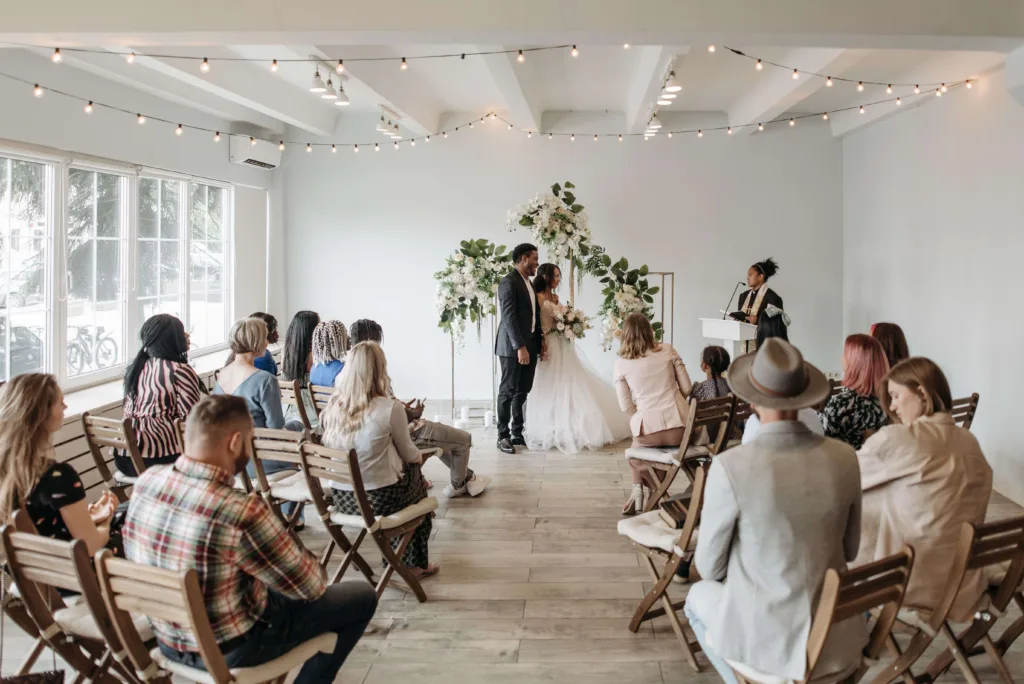
The traditional big wedding is no longer the only way couples want to celebrate getting married. In 2026, micro-weddings are increasingly appearing in conversations around modern wedding planning, with couples choosing smaller guest lists and more intimate celebrations.
A micro-wedding typically has 50 guests or fewer, compared with an average wedding size of around 117 guests.
Social media has helped popularise the format, with couples highlighting smaller celebrations as less stressful and more personal. But there is another factor behind the trend which is money.
Also Read | From ‘you complete me’ to ‘I need my space’: How Gen Z is redefining love and commitment
For younger couples dealing with an uncertain job market, student debt and ambitions such as buying a home, spending heavily on one day may not always feel worthwhile. That makes micro-weddings an interesting intersection of romance, personal choice and financial practicality.
Why are micro-weddings becoming a trend in 2026?
While there is probably no exact data about how many couples choose micro-weddings, they definitely attract attention on social media.
Clinical psychologist and marital counsellor Brandy Dunn, PsyD, says that people are becoming more thoughtful about choosing the type of wedding and asking themselves what wedding will represent who they really are, rather than what was expected of them.

Gen Z grew up in economically uncertain times and during the pandemic, which might influence their attitude towards finances.
In addition, couples who are working hard to buy an apartment and pay off student debts do not have much extra money for weddings.
However, it does not mean that all micro-weddings are just budget weddings.
Are micro-weddings actually cheaper?
One of the biggest attractions of a smaller wedding is obvious — fewer guests can potentially mean lower expenses.
Micro-weddings can reduce some of the costs and pressures associated with large-scale wedding planning while allowing couples to focus on meaningful experiences with the people closest to them.
A smaller guest list can also change the experience of the wedding itself. Dunn points out that large weddings can become a blur for couples who spend much of the day greeting guests and managing logistics.

With fewer people around, couples may have more time for conversations, meals and actually experiencing their ceremony.
But smaller does not automatically mean cheaper.
Charnas cautions that micro-weddings can come with unexpected expenses, and some costs may not shrink simply because the guest list does. Couples therefore need to look at the entire budget rather than assuming that fewer invitations will automatically translate into major savings.
What are the downsides of having a micro-wedding?
The biggest challenge may not be financial at all. It can be deciding who gets invited.
When a couple limits attendance to a small group, friends and relatives who do not make the cut may feel hurt or disappointed. Charnas says couples choosing this route should be prepared for some backlash, particularly when family members have their own expectations about the wedding.
The situation can become even more complicated when relatives are contributing financially to the celebration. Financial support may come with expectations about the guest list, venue or overall scale of the event.
That means couples may need to establish their priorities early and communicate them clearly.
How do you know if a micro-wedding is right for you?
Rather than begin by trying to decide how many guests to invite, the advice is to focus first on your own personal values as a couple.
DeFife advises that determining the top three values and priorities in advance of wedding plans is important to ensure good decisions. Examples may be excellent food, photo-taking, or just an intimate atmosphere.
Also Read | Would you date someone with completely different political views?
The priorities will guide other decision-making. If any particular decision seems too stressful, couples can determine if it contributes to the desired experience.
Budget is definitely one of those priorities. Fewer guests can be helpful for budgeting, but the process of cost evaluation needs to go on.
In the end, there may not be a single best approach to marriage.
A micro-wedding can be a romantic choice, a financial necessity, or even both. What counts is if the wedding represents the couple’s style and preferences rather than expectations.