











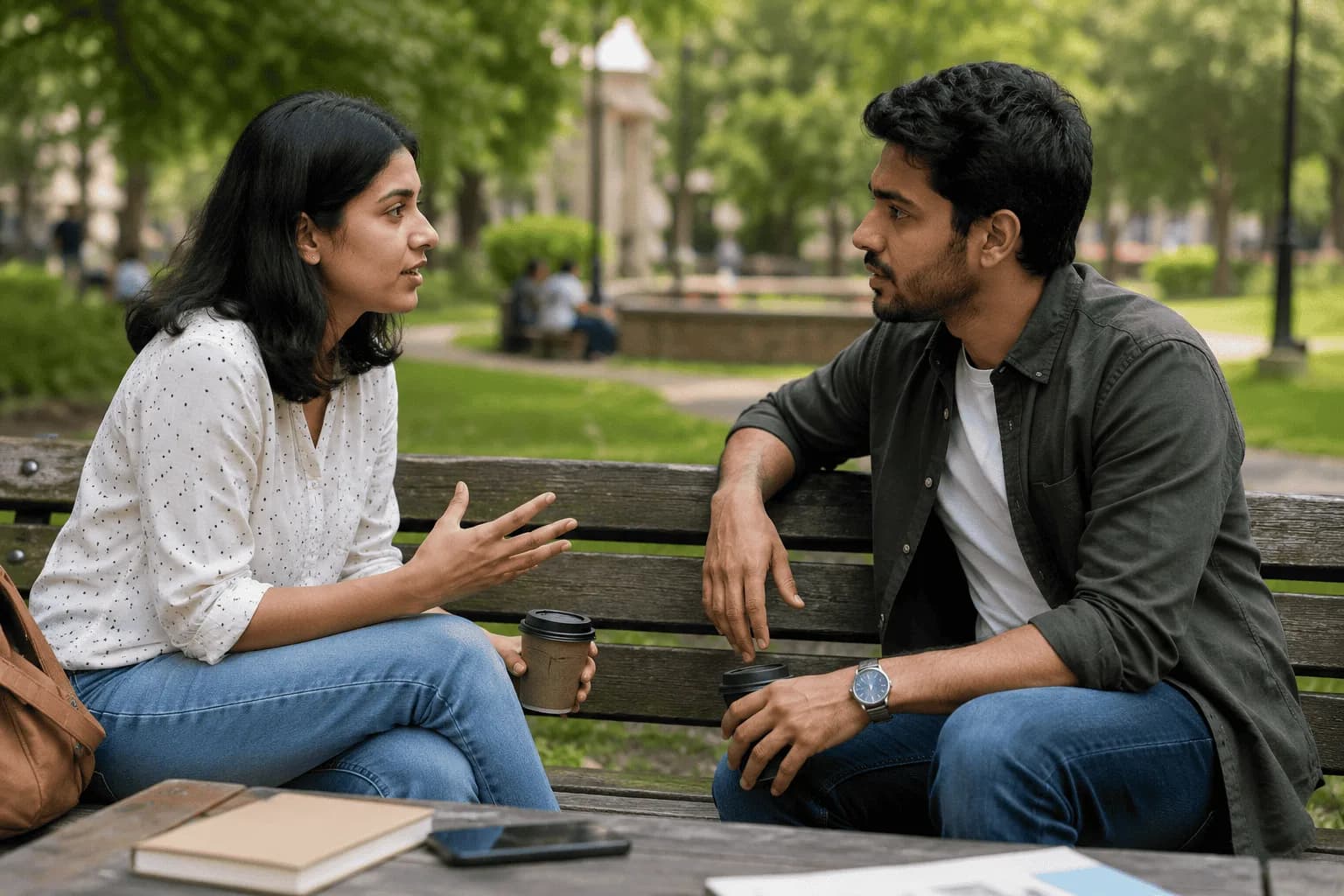
Political view may not be the most obvious topic for a first date, but for many people, it is becoming harder to keep it out of the dating conversation.
The usual questions about work, hometowns, hobbies and relationship goals are still there. But as conversations around feminism, climate change, inequality, identity, education and mental health become more prominent, political opinions can reveal something deeper about how a potential partner sees the world.
Also Read | Three Loves Theory explained: The 3 relationships that shape you
That raises an uncomfortable question for modern dating: can two people with completely different political views build a healthy relationship?
The answer may have less to do with which party someone supports and more to do with what their beliefs say about their values.
When did politics become a dating question?
Nobody expects a first date to begin with a political questionnaire. Yet political beliefs can naturally enter conversations when people discuss current events, social issues or the kind of future they want.
For younger daters in particular, political opinions can feel personal because they often overlap with issues that directly affect everyday life. A person’s views on equality, women’s rights, climate change or social justice may tell you more about their worldview than their favourite film ever could.
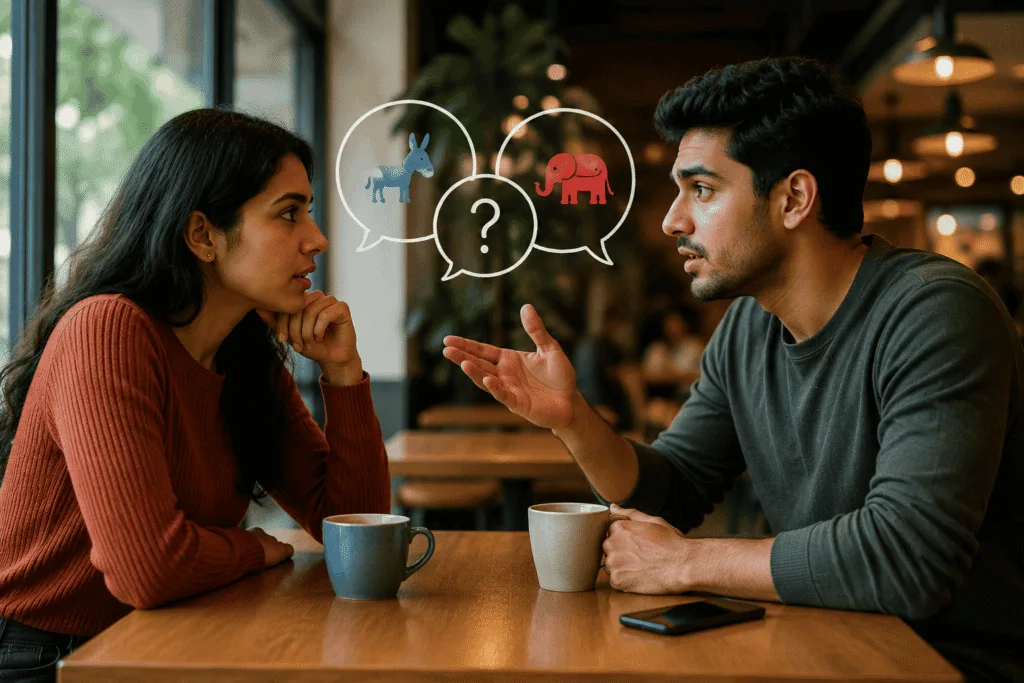
Two people can disagree about an election, a political party or a particular policy and still have plenty in common. They may argue about politics over dinner and still happily order dessert afterwards.
The bigger concern is what happens when the disagreement involves fundamental values.
If two partners have completely different ideas about equality, individual freedom or whether certain groups deserve the same rights, the disagreement can become much harder to compartmentalise.
Is political disagreement really a relationship dealbreaker?
Not necessarily.
A healthy relationship does not require two people to agree on everything. In fact, having different opinions can work when both partners are capable of listening, explaining their position and accepting that disagreement does not automatically make the other person stupid or immoral.
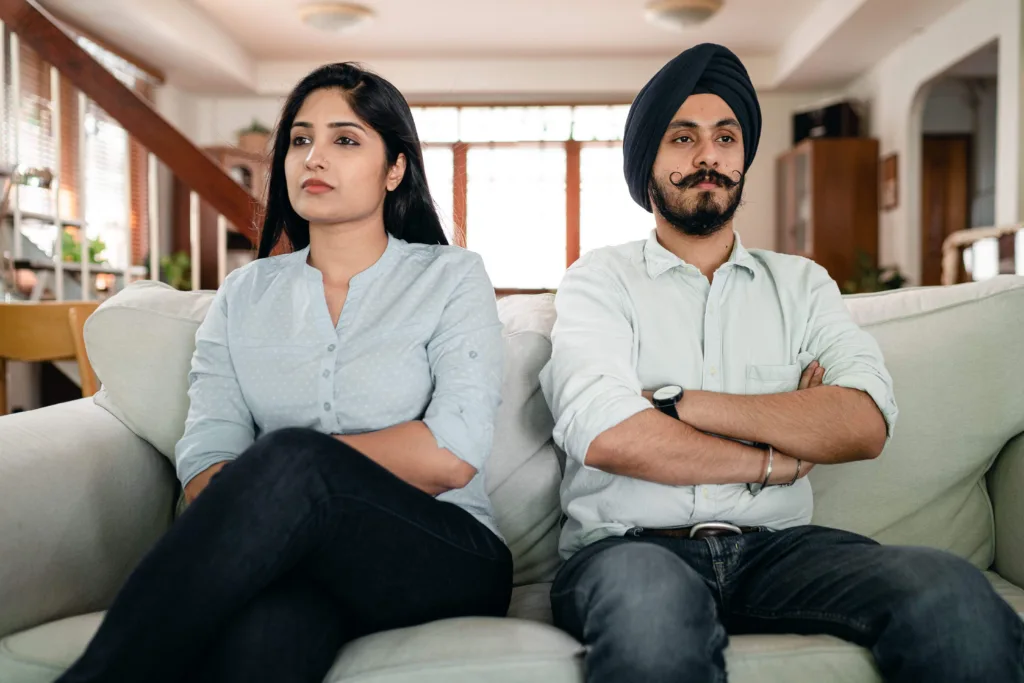
The more important compatibility question may therefore be: How do you behave when you disagree?
Someone’s political label only tells you part of the story. The way they speak about people with opposing views can reveal far more about their personality and relationship style.
Can they listen? Can they disagree without becoming dismissive? Can they respect a partner’s right to hold a different opinion?
Those qualities can matter when political disagreements eventually spill into conversations about money, family, careers, children and everyday decisions.
What should you look for beyond someone’s political view?
Dating apps already allow people to filter potential partners according to preferences ranging from location and lifestyle to relationship goals. Political beliefs can feel like another compatibility marker, particularly for people for whom certain values are non-negotiable.
But instead of immediately asking someone to declare their political identity, it may be more useful to understand why they believe what they believe.

Pay attention to how they talk about people they disagree with. Notice how they discuss their friends, colleagues, former partners or social issues. Someone’s ability to hold a strong opinion without treating everyone on the other side as an enemy can tell you a great deal.
Also Read | Pheromone maxxing: Why the internet wants you to skip showers
Ultimately, political compatibility is not simply about voting for the same party.
It is about whether two people share enough fundamental values to build a life together and whether they can remain respectful when they don’t.
So, yes, you can still ask a new date about their favourite movie, travel plans or most embarrassing Spotify playlist. But somewhere between the coffee and the second drink, discovering what they genuinely care about may tell you much more about whether the relationship has a future.