


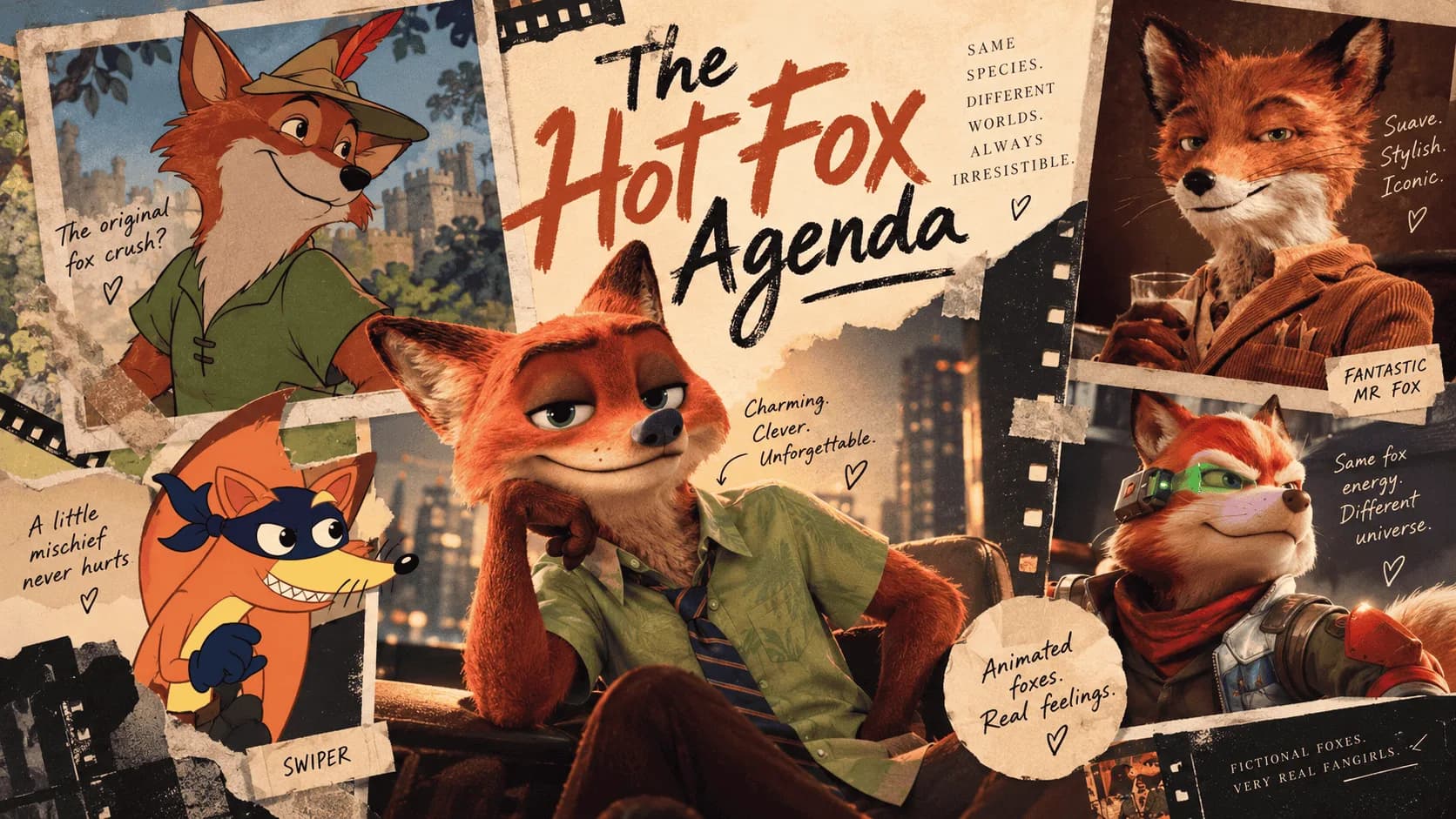













If you have ever found yourself inexplicably charmed by an animated fox, you are far from alone. From Robin Hood and Nick Wilde to Fantastic Mr Fox and even Foxy the Pirate, fictional foxes have developed a surprising reputation as pop culture heartthrobs.
The phenomenon has become especially noticeable around Nick Wilde from Zootopia. His sarcastic charm, confidence and complicated relationship with Judy Hopps have inspired countless fan edits and discussions online.
And perhaps Hollywood deserves some of the credit or the blame.
The idea of a “Hot Fox Agenda” may sound ridiculous, but look at the evidence. Animated films and shows have repeatedly given fox characters clever personalities, mischievous streaks, confidence and, often, a softer romantic side.
What makes animated foxes so appealing?
Foxes already have a built-in reputation for being sly, independent and adaptable. Pop culture has taken those traits and turned them into character archetypes that audiences recognise immediately.
Give a fox character a sharp sense of humour, a little swagger and a softer side beneath the attitude, and suddenly the character becomes much more than the comic relief or villain.
That formula is particularly obvious with Nick Wilde.
In Zootopia, Nick initially comes across as a smooth-talking hustler who enjoys getting under Judy’s skin. Their early interactions have the familiar push-and-pull dynamic of an enemies-to-lovers romance, making his eventual vulnerability and emotional openness even more appealing.
Nick isn’t the first animated fox to receive this treatment.
Did Hollywood start the ‘Hot Fox Agenda’ decades ago?
Long before Nick Wilde arrived in 2016, Disney had already discovered the appeal of a charming fox.
In the 1973 animated film Robin Hood, the legendary outlaw became a fox. The character retained his clever, rebellious personality while also developing a romantic storyline with Maid Marian.
For some viewers, Robin Hood became a childhood crush long before anyone had coined the term “Hot Fox Agenda”. Online discussions have continued to revisit the character’s combination of confidence, gentleness and romantic charm.
Then came Swiper the Fox from Dora the Explorer.
Swiper is hardly a conventional romantic hero. He is, after all, constantly trying to steal things. But the mysterious mask, mischievous personality and occasional glimpses of redemption give him a very different kind of appeal.
And apparently, a fictional villain with a redemption arc is enough to keep the agenda going.
How did Fantastic Mr Fox take things even further?
Wes Anderson’s Fantastic Mr Fox arguably doubled down on the formula.
The stop-motion character already had plenty of confidence, intelligence and style. Then Hollywood added George Clooney’s voice to the mix.
Mr Fox’s distinctive personality, his marigold corduroy suit and his complicated attempts to balance family life with his adventurous instincts turned him into one of the most memorable animated foxes on screen.
The result? Another fox character who somehow managed to be charming despite being, objectively, a fox.
What about video games and TV shows?
The fox phenomenon isn’t restricted to animated movies.
In Five Nights at Freddy’s, Foxy the Pirate transformed the fox archetype into something considerably stranger: a battered animatronic pirate with a hook.
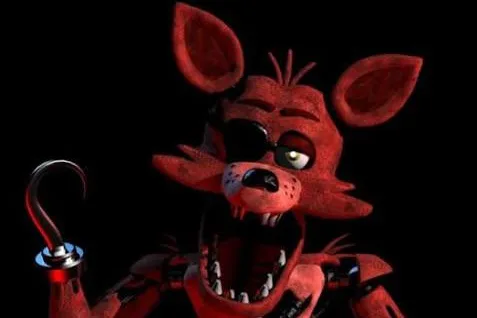
Yet even that character has developed a devoted fan following, proving just how flexible the fictional fox formula has become.
Television has also acknowledged the phenomenon.
In Bob’s Burgers, Tina Belcher famously admits to being attracted to a cartoon fox, asking whether it is bad to develop a crush on a fictional character she barely knows.
Apparently, the answer from pop culture is a resounding no.
Why does Nick Wilde remain the ultimate animated fox crush?
Nick Wilde may be the clearest example of the formula working perfectly.
His appeal isn’t simply about appearance or attitude. His relationship with Judy gradually reveals a more vulnerable side of his personality.
The character starts out as a hustler who keeps people at a distance. As his relationship with Judy develops, he becomes more emotionally open, showing that the confidence and sarcasm are only part of his personality.
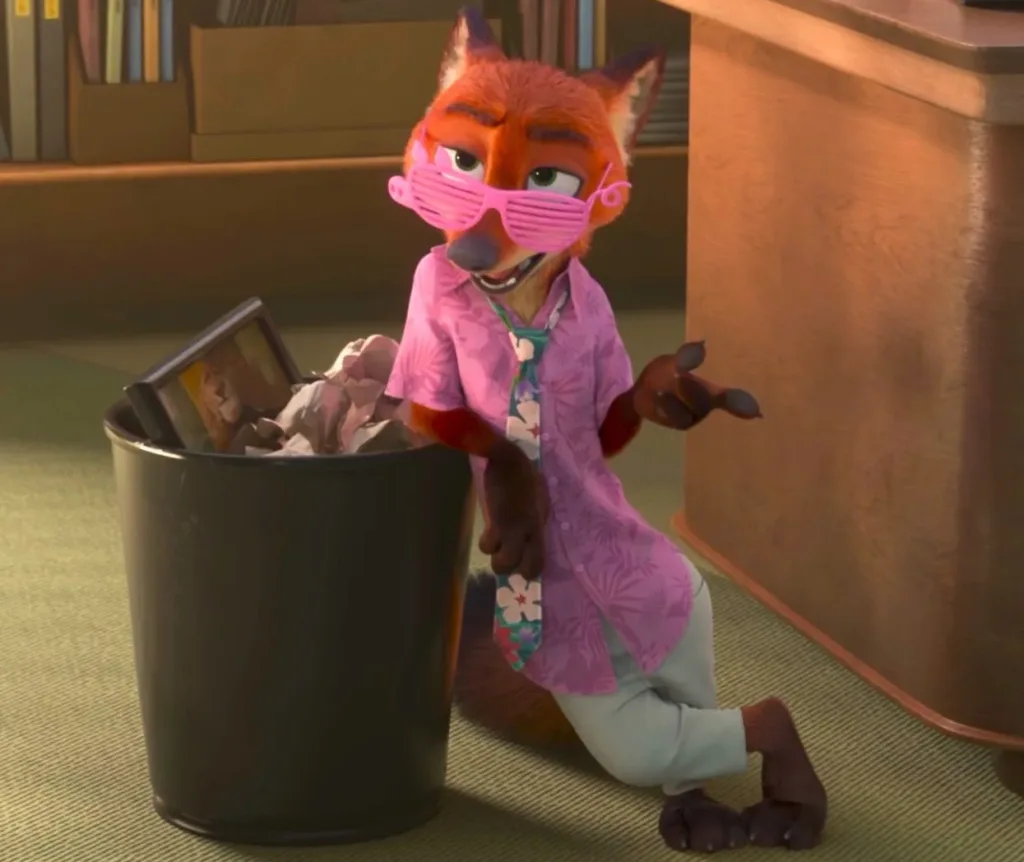
That combination, sarcastic exterior, emotional vulnerability and undeniable charm, is precisely what makes the character so compelling to fans.
With Zootopia returning for a third film, audiences may be getting even more of Nick and Judy’s dynamic.
And if Hollywood continues its decades-long fascination with clever, charming foxes, the Hot Fox Agenda shows no sign of ending.