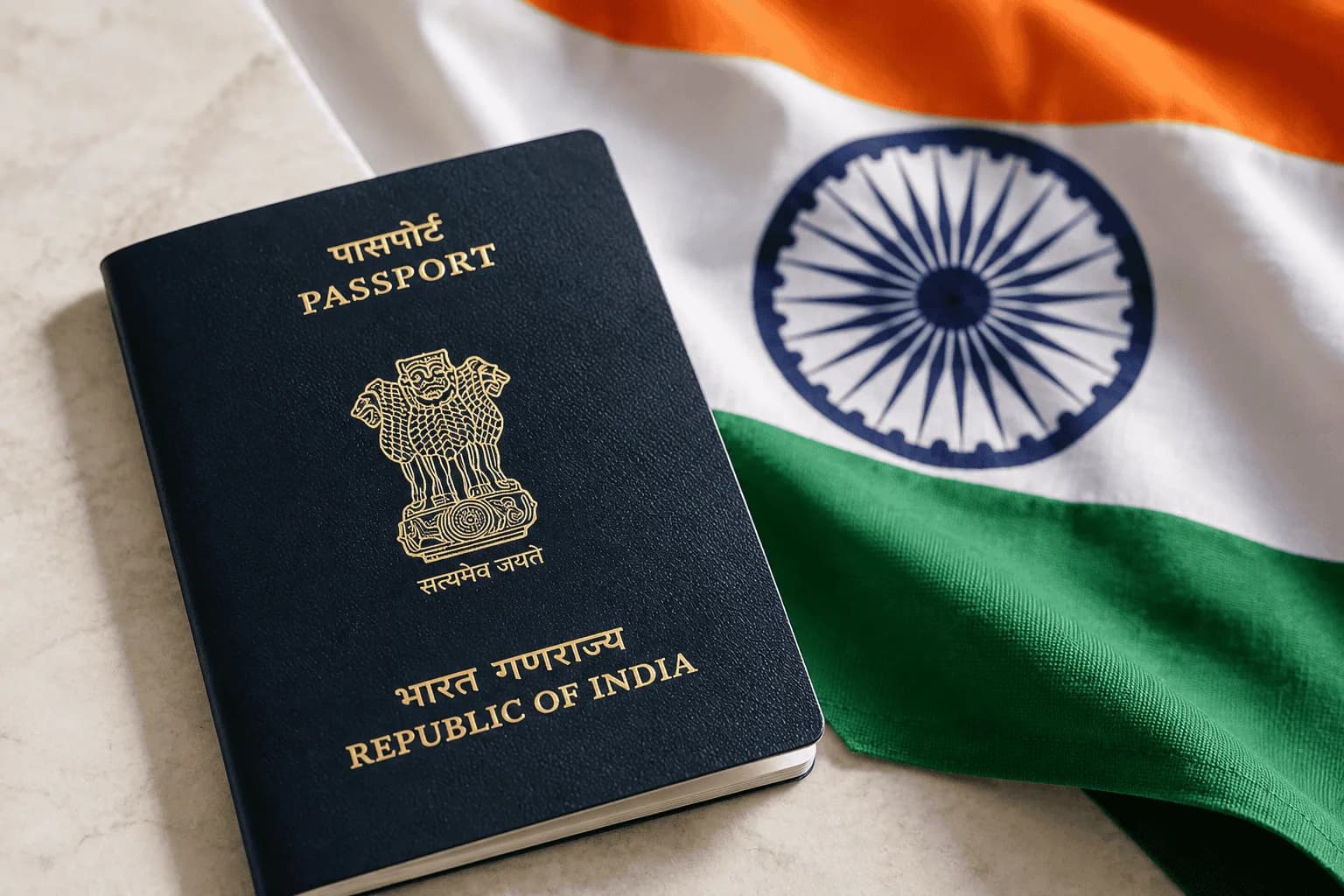















The Ministry of External Affairs has amended India’s passport rules, bringing changes to the validity of passports issued to children below 15 years of age and provisions governing passport application fees.
The Passports (Amendment) Rules, 2026 were notified through the Official Gazette on September 15 and came into force immediately. The amendment modifies Rule 12 of the Passports Rules, 1980, which deals with the validity of passports issued to minors.
What are the new passport rules in India?
One of the key changes concerns ordinary 36-page passports issued to children below 15 years of age.
Under the amended rules, such a passport will be valid for five years from the date of issue or until the child turns 18, whichever is earlier.
Also Read | India’s 4am diplomatic push: How BRICS overcame Iran-Saudi-UAE differences
The amendment was issued under the provisions of the Passports Act, 1967. The notification was signed by Joint Secretary and Chief Passport Officer BS Mubarak.
The earlier rule provided that a 36-page ordinary passport issued to a child below 15 would remain valid for five years or until the child attained 15 years of age, whichever was earlier.
The new provision therefore extends the age limit from 15 to 18, while retaining the five-year validity period.
For instance, if a passport is issued when a child is 14, the five-year period would ordinarily extend to age 19. However, under the amended rule, the passport will expire when the child turns 18.
What has changed in passport application fees?
The amendment also changes Rule 8 of the Passports Rules, 1980, relating to passport application fees.
The revised provision states that fees for different types of passport applications will be charged at the rates specified against the corresponding applications in Schedule IV of the rules.
The Ministry of External Affairs had already revised passport-related fees from July 1, 2026.
The Ministry of External Affairs has notified the Passports (Amendment) Rules, 2026, amending the Passports Rules, 1980. The amendment provides that an ordinary passport with 36 pages issued to a child under 15 years of age will be valid for five years or until the child turns… pic.twitter.com/Y9I9qBii1w
— Press Trust of India (@PTI_News) September 17, 2026
Under the revised fee structure, a fresh or reissued 36-page passport for adults costs ₹2,500, up from ₹1,500, while a 60-page passport costs ₹3,500, up from ₹2,000.
The Tatkaal fee for a 36-page passport is ₹5,000, compared with the earlier ₹3,500, while a 60-page passport under Tatkaal costs ₹6,000, up from ₹4,000.
Applicants should check the applicable fee category on the Passport Seva portal before making a payment, as charges vary according to the type of application and service selected.
What does the new child passport rule mean for parents?
The revised rule means a passport issued to a child below 15 can remain valid beyond the child’s 15th birthday, subject to the five-year limit.
However, the passport will automatically cease to be valid when the holder turns 18, even if five years have not elapsed since its issue.

This makes the child’s age at the time of application important when determining the actual validity period.
Also Read | India’s WTO dilemma: Can plurilateralism and multilateralism coexist?
Parents applying for passports should therefore check the validity applicable to their child’s age before making travel plans based on the passport’s expiry date.
When did the new passport rules come into effect?
The Passports (Amendment) Rules, 2026 came into force on September 15, 2026, the date they were published in the Official Gazette.
The changes amend the Passports Rules, 1980, which were themselves updated earlier this year.
For applicants, the key changes to note are the revised validity provision for children below 15 and the updated framework governing passport application fees.