












India pulled off a significant diplomatic feat at the 18th BRICS Summit in New Delhi, securing consensus on the group’s joint statement after negotiations continued until around 4 am on Saturday, according to government sources.
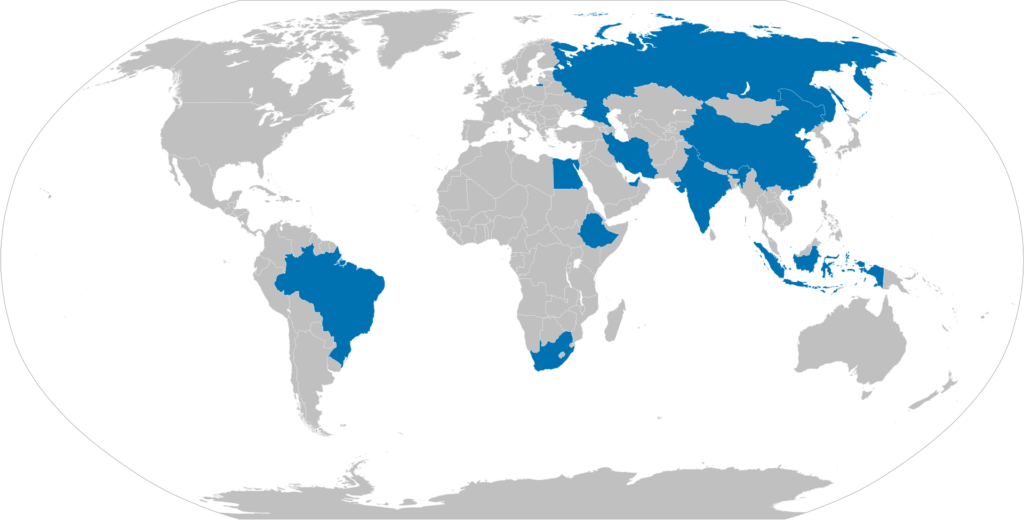
The challenge was particularly significant because the expanded grouping includes Iran, Saudi Arabia and the UAE which are the countries with competing positions and deep differences on several regional and geopolitical issues.
Also Read | Kolkata’s Bagbazar Sarbojanin Durga Puja hits legal hurdle after poll ends in tie, HC to decide next
Against the backdrop of continuing conflicts and heightened tensions in West Asia, India led sustained consultations aimed at preventing those differences from derailing the joint declaration.
How did India bridge the differences?
According to government sources, the negotiations involved disagreements over “several contentious issues”. India worked to reconcile the competing positions and find language that could be accepted by all members.
The talks continued for hours, with the eventual agreement coming only after sustained consultations. The late-night negotiations highlight the increasingly complicated diplomacy required to maintain consensus within a BRICS that now brings together countries with widely different geopolitical interests.
Rather than allowing contentious regional issues to dominate the summit, India sought to keep the discussions centred on areas where members could find common ground.
The successful conclusion of the talks allowed the grouping to issue its joint statement despite the competing positions of its members.
Why is the BRICS consensus significant?
The episode illustrates the challenge facing BRICS as the grouping becomes more diverse. Its members do not share identical positions on major geopolitical questions, particularly in regions marked by active conflicts and rivalries.
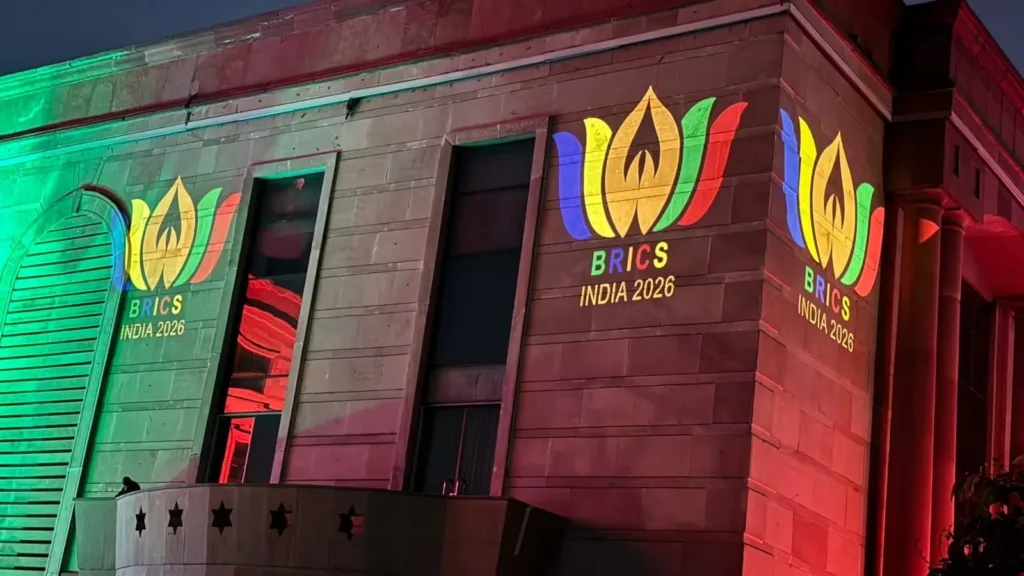
For India, the negotiations also offered an opportunity to use its BRICS presidency to push for greater cooperation while demonstrating its ability to bring divergent positions towards a common outcome.
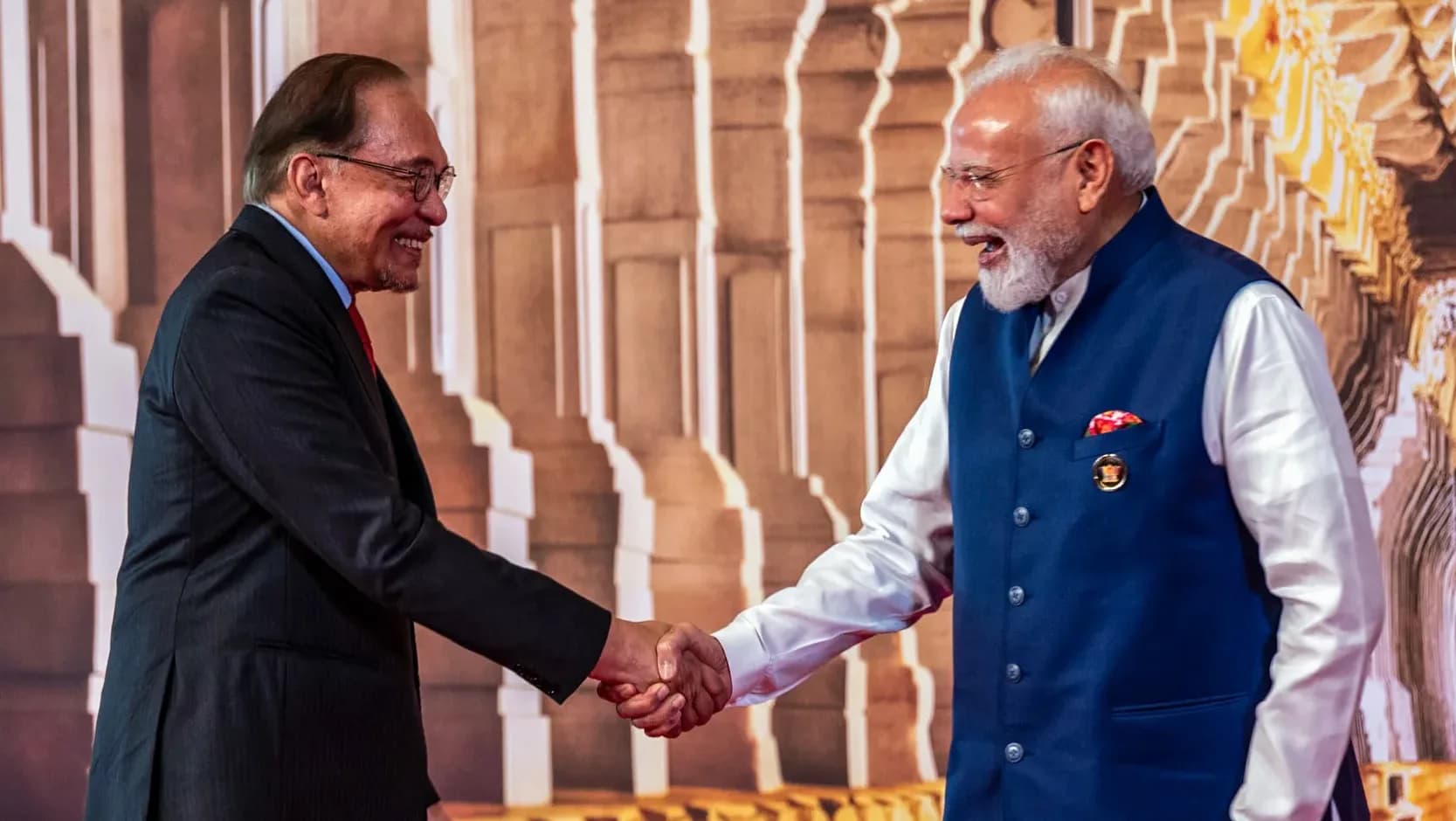
The consensus came as leaders gathered in New Delhi for the 18th BRICS Summit.
Xi Jinping arrives in Delhi
Chinese President Xi Jinping arrived in New Delhi on Saturday to attend the summit, marking his first visit to India in seven years.
#WATCH | Delhi: Chinese President Xi Jinping arrives in Delhi to participate in the BRICS Summit 2026.
— ANI (@ANI) September 12, 2026
PM Modi is scheduled to hold a bilateral meeting with the Chinese President later today. pic.twitter.com/mJk6YVYt5P
Union Minister of State for Commerce and Industry Jitin Prasada received Xi at the airport, where cultural artistes performed traditional dances to welcome the Chinese president.
External Affairs Ministry spokesperson Randhir Jaiswal said on social media that India looked forward to “constructive discussions” as it works towards greater cooperation and a “more balanced, representative and multipolar world.”
The late-night consensus therefore comes at a crucial moment for India’s BRICS presidency, with the grouping attempting to maintain unity despite increasingly complex geopolitical fault lines.