











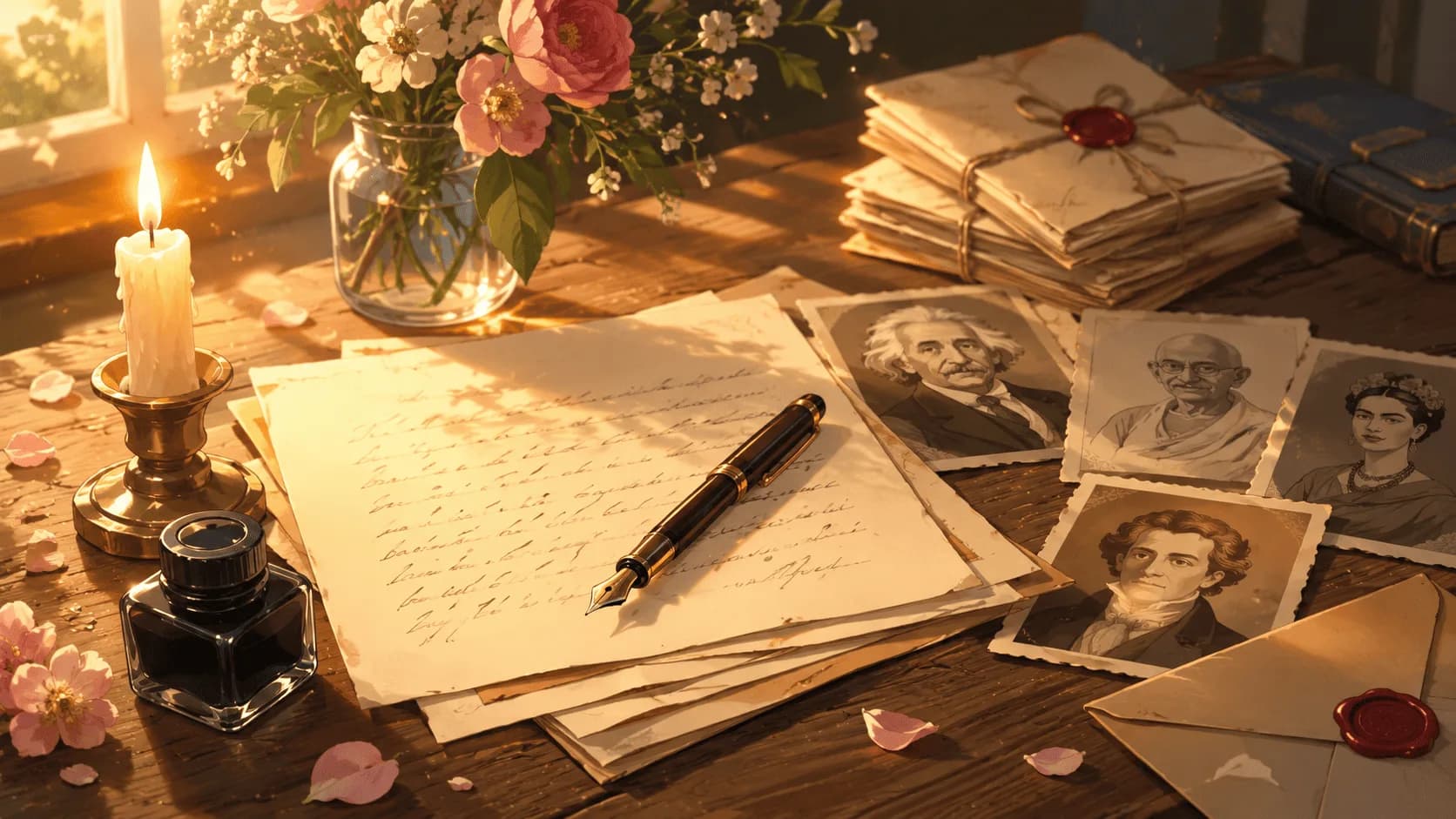
In an age of emails, instant messages and social media, the handwritten letter has become a rare sight. But letters have a way of preserving something digital messages often cannot: the voice, emotions and personality of the person who wrote them. Across history, famous figures have put their thoughts on paper to express love, confront loss, appeal for peace, pursue ambition and bid farewell.
On World Letter Writing Day, observed on September 1, we look back at eight remarkable letters written by well-known personalities. Spanning centuries and vastly different circumstances, these letters offer intimate glimpses into the lives, relationships, hopes and fears of the people behind some of history’s most recognisable names.
Elvis Presley writes to his fans from Germany
While serving as a US soldier in Germany, Elvis Presley found himself receiving an overwhelming amount of mail from fans around the world. In 1959, during his stay in Friedberg, Hesse, the rock ‘n’ roll star acknowledged that he could not respond to every letter personally.
“I am sorry that I can’t answer every letter personally,” Presley wrote.
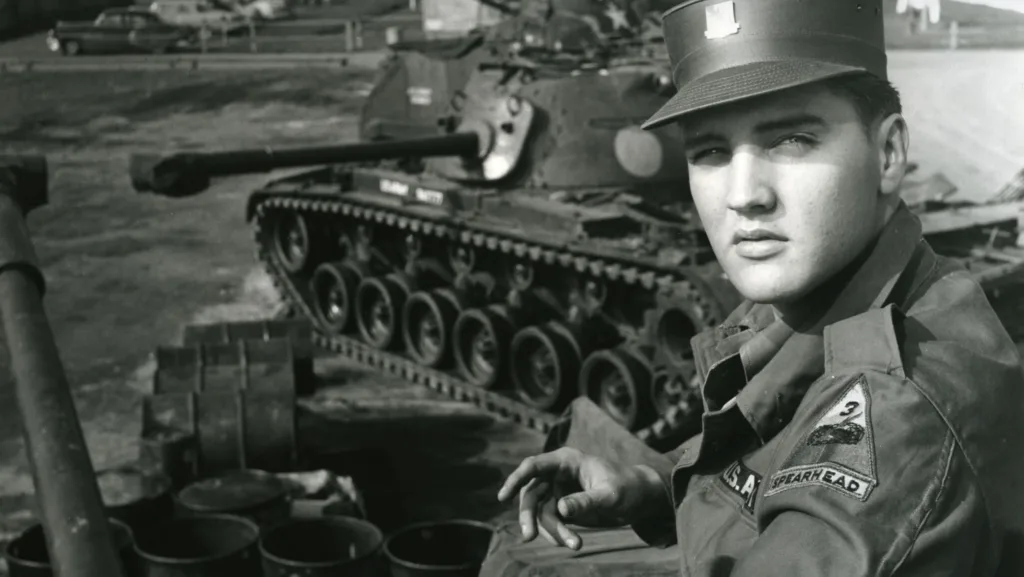
He went on to explain how much the messages meant to him while he was away from home. “My mind is constantly thinking of all my friends and fans that I had to leave behind,” he wrote. “But I appreciate each and every one of you as friends, fans, and every letter that I receive helps me so much to carry on.”
Presley had been drafted into the US Army in 1958 and remained stationed in Friedberg until 1960.
Also Read | Nepal flood: Why unidentified bodies are being buried and how families can identify them later
Frida Kahlo writes a painful farewell to Diego Rivera
In 1953, a year before her death, Mexican artist Frida Kahlo faced the amputation of one of her legs because of gangrene. While waiting for the operation, she wrote a deeply personal letter to her husband, fellow artist Diego Rivera.
Kahlo’s words reflected years of emotional pain in their relationship. She accused Rivera of repeatedly cheating on her, including with her sister, and connected the coming loss of her leg to the earlier wounds she had endured in their marriage.
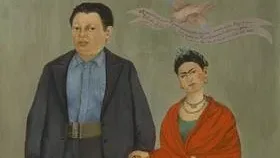
“When they told me it would be necessary to amputate, the news didn’t affect me the way everybody expected. No, I was already a maimed woman when I lost you, again, for the umpteenth time maybe, and still I survived.”
She ended the letter with a striking declaration: “I’m writing to let you know I’m releasing you, I’m amputating you.”
Albert Einstein writes to Mahatma Gandhi
In 1931, Albert Einstein wrote to Mahatma Gandhi expressing his admiration for the Indian leader’s commitment to non-violence.
“You have shown through your works, that it is possible to succeed without violence even with those who have not discarded the method of violence.”
Einstein also expressed hope that Gandhi’s example would reach beyond India and contribute to a world less dependent on war.
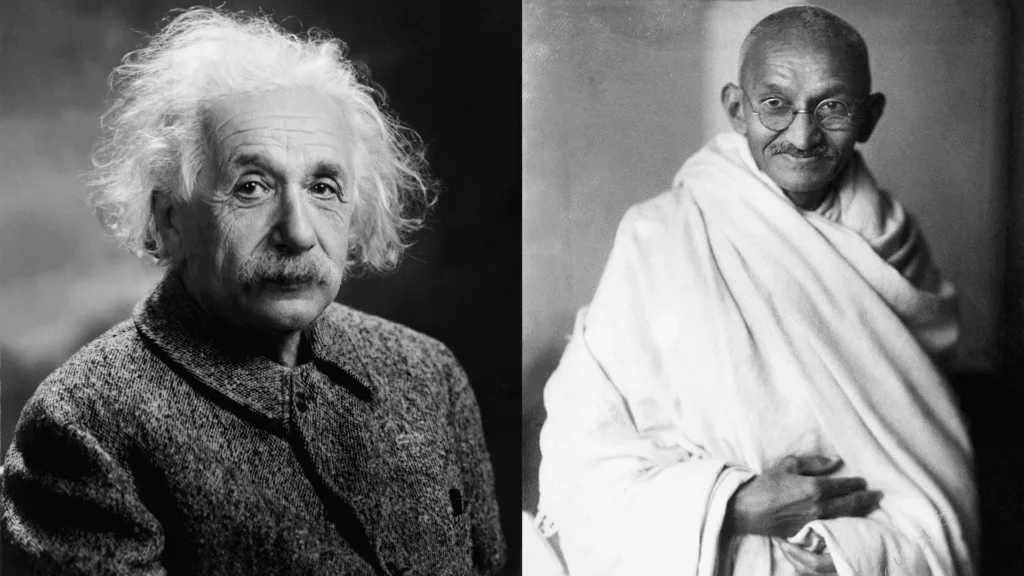
“We may hope that your example will spread beyond the borders of your country, and will help to establish an international authority, respected by all, that will take decisions and replace war conflicts.”
Gandhi responded to Einstein and invited him to visit his ashram in India. However, the two never met in person.
Mahatma Gandhi appeals to Adolf Hitler
Eight years later, Gandhi wrote another striking letter, this time to Adolf Hitler, as the threat of another major war grew in Europe.
Beginning with the words “Dear friend,” Gandhi appealed directly to Hitler to prevent a conflict that he feared could devastate humanity.
“It is quite clear that you are today the one person in the world who can prevent a war which may reduce humanity to a savage state.”
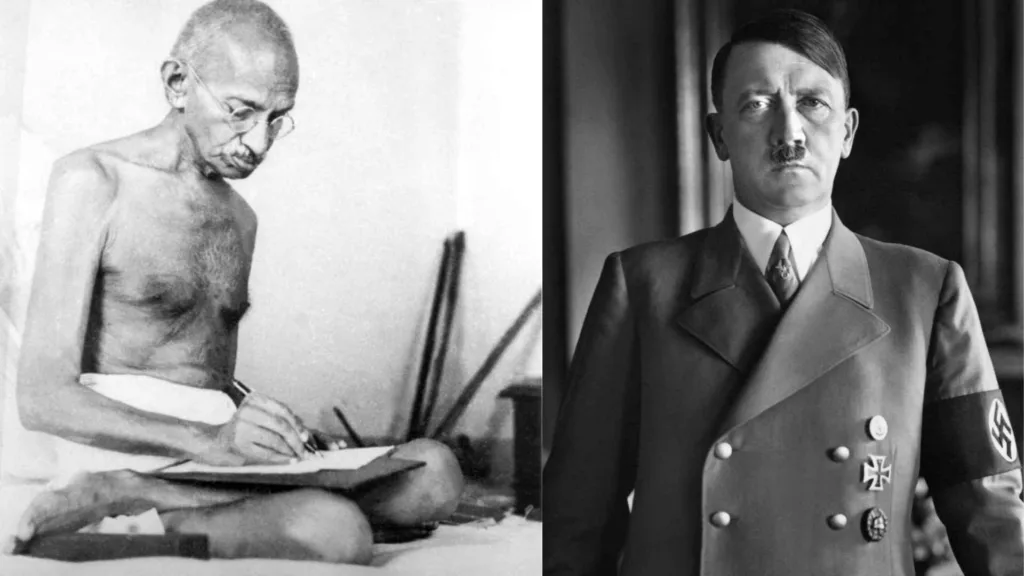
He then asked: “Will you listen to the appeal of one who has deliberately shunned the method of war not without considerable success?”
Gandhi’s appeal did not change the course of events. A few weeks later, the German Wehrmacht invaded Poland, setting the Second World War in motion.
Virginia Woolf’s heartbreaking farewell
In 1941, British writer Virginia Woolf wrote a farewell letter to her husband, Leonard Woolf. Her words expressed both her affection for him and her belief that she would not recover from the severe depression she was experiencing.
“You have given me the greatest possible happiness. You have been in every way all that anyone could be.”
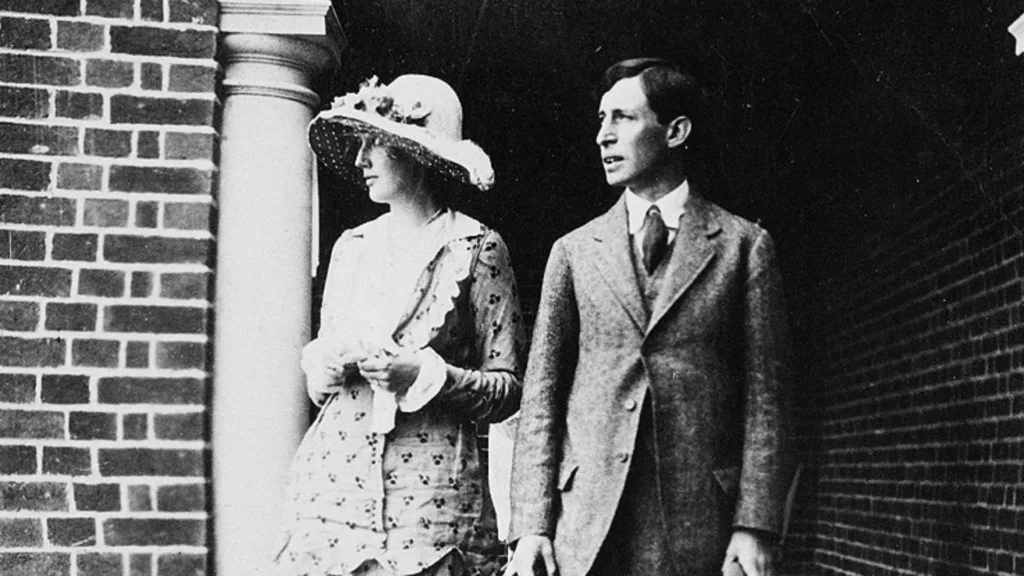
She continued: “I don’t think two people could have been happier till this terrible disease came.”
Woolf also acknowledged the support she had received from her husband, writing, “I shan’t recover this time … If anybody could have saved me it would have been you. Everything has gone from me but the certainty of your goodness.”
Shortly afterwards, Woolf drowned herself in a river.
Leonardo da Vinci makes his case for a job
Centuries before modern CVs and job applications, Leonardo da Vinci had his own way of presenting his abilities. In the early 1480s, he wrote to Ludovico Sforza, the future Duke of Milan, seeking employment as a military engineer.
Da Vinci’s letter listed 10 areas in which he claimed expertise, confidently presenting himself as someone capable of designing and building military equipment and structures.
Also Read | Waukee High School and Prairieview lockdown: What we know about ‘armed person threat’
He concluded with an offer to prove his abilities himself: “And should any of the above seem impossible or impracticable to anyone, I am happy to demonstrate them in your park or any other place as Your Excellency pleases, to whom I humbly recommend myself.”
Sforza hired the young da Vinci. Years later, he commissioned the artist to paint The Last Supper.
Queen Elizabeth II shares her drop scone recipe
Not every historic letter dealt with politics, conflict or personal heartbreak. In 1960, Queen Elizabeth II sent a handwritten recipe to US President Dwight D. Eisenhower.
Eisenhower had enjoyed the drop scones, also known as Scotch pancakes, served during a visit to the United Kingdom. Several months later, the Queen sent him the recipe.
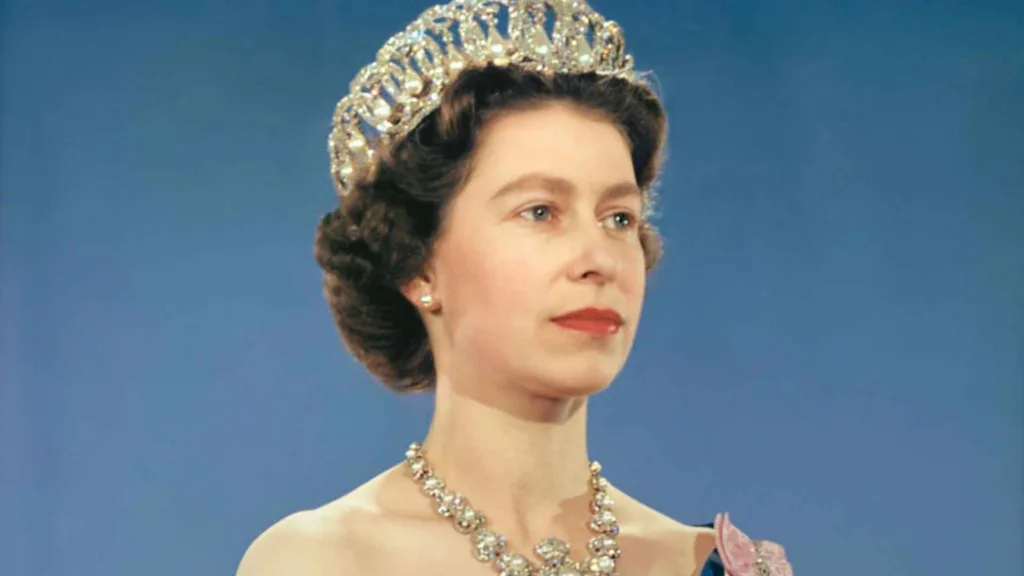
“Though the quantities are for 16 people, when there are fewer, I generally put in less flour and milk, but use the other ingredients as stated
Goethe pours his heart out in a letter
In 1776, German poet Johann Wolfgang Goethe wrote a deeply affectionate letter to Charlotte von Stein, expressing the intensity of his feelings for her.
“Your presence has had a wonderful choking effect on my heart, I cannot say what I feel,” Goethe wrote, revealing the longing and emotion that ran through their relationship.
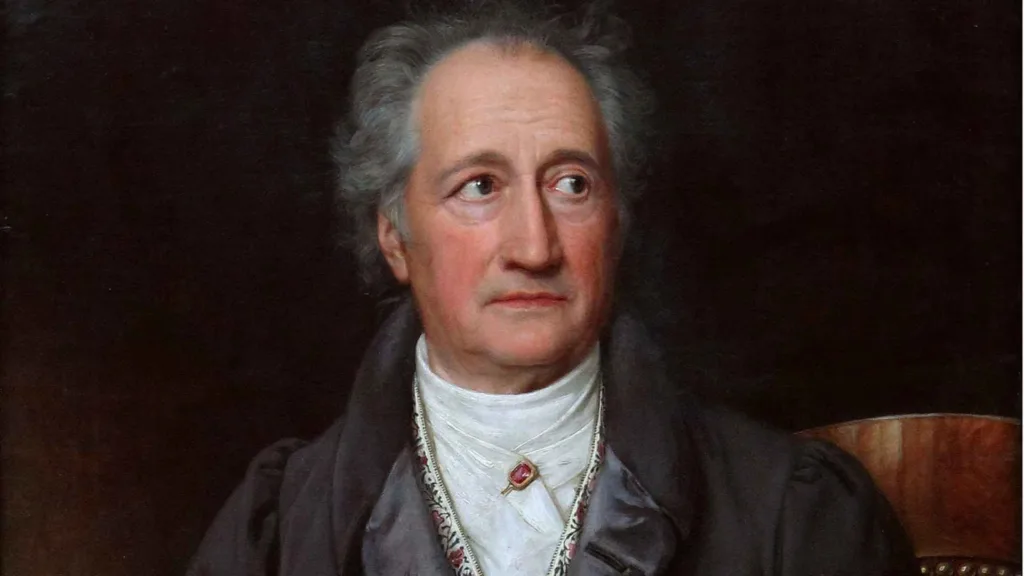
Goethe, who was younger than von Stein by seven years, went on to write more than 1,500 letters to her. She is said to have remained faithful to her husband despite Goethe’s affection.
His unrequited love eventually took him away from Weimar for several years as he travelled in Italy. He returned to Weimar in 1788, where he later met Christiane Vulpius, who became his wife.