







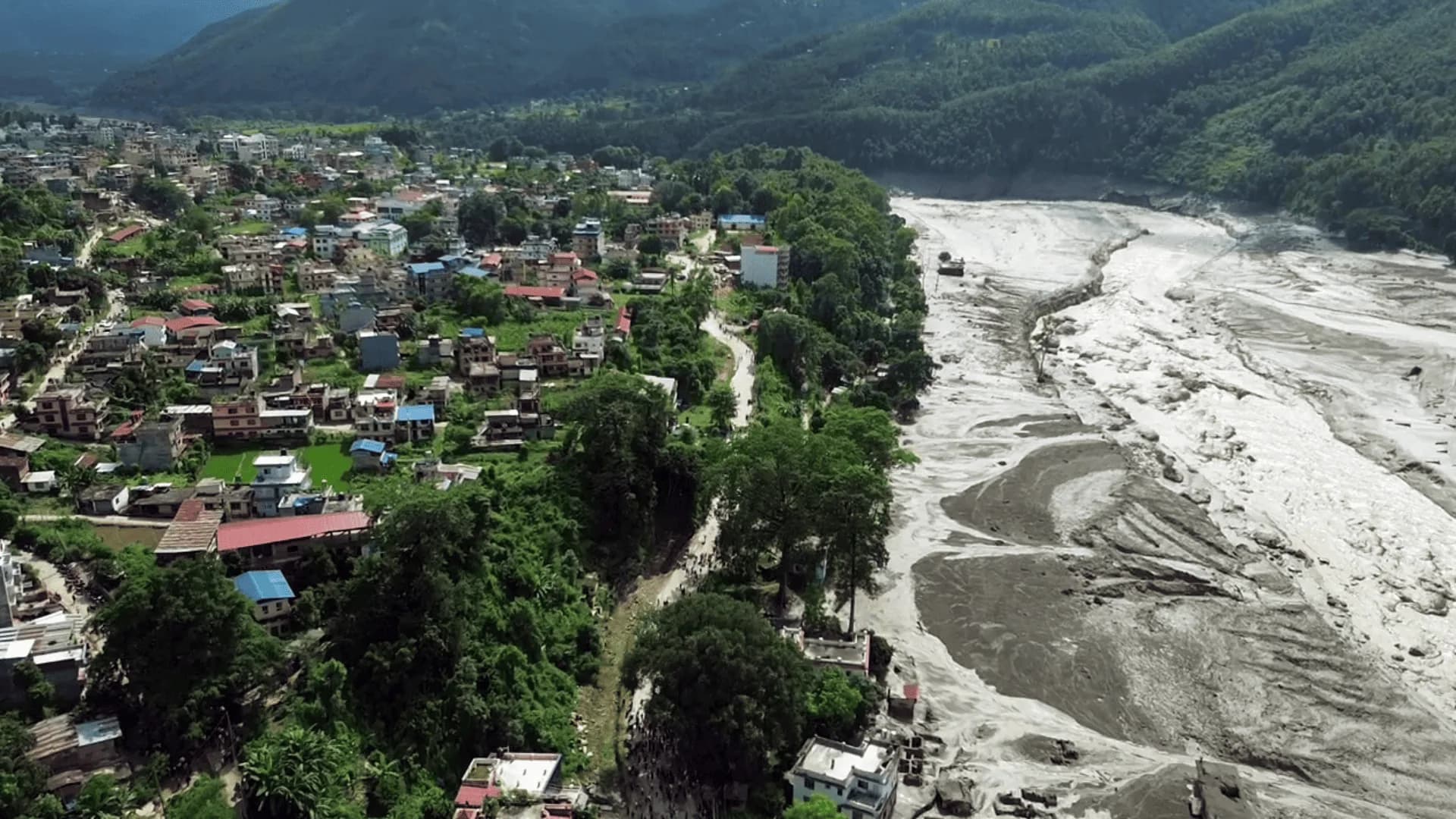
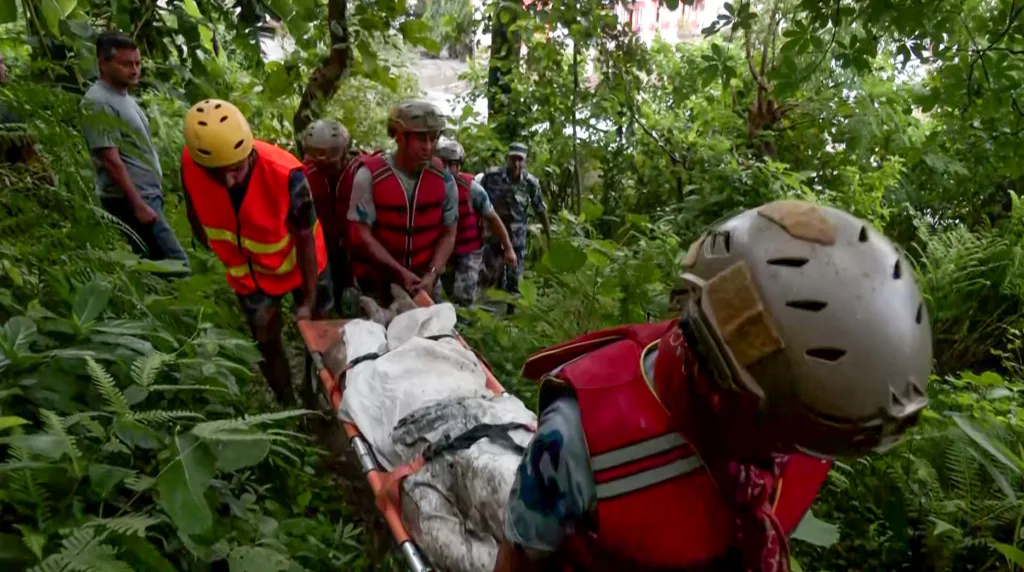
Nepal has begun burying unidentified flood victims as mortuaries and temporary holding centres run out of space and bodies recovered from the disaster begin to decompose. Authorities are preserving DNA samples, photographs and detailed forensic records before burial in an effort to ensure families can still identify their missing relatives later.
Only 20 of the 768 bodies recovered had been identified by relatives by Saturday evening. The wider death toll from the devastating flash floods had reached 734 by Sunday, with around 2,500 people still missing.
Also Read | What makes Mount Kailash so sacred? A detailed guide for the Himalayan pilgrimage
Chitwan recorded the highest number of recovered bodies at 259, followed by Nawalparasi East with 184, Nawalparasi West with 82, Gorkha with 58, Nuwakot with 52, Dhading with 50, Tanahun with 36 and Rasuwa with 13.
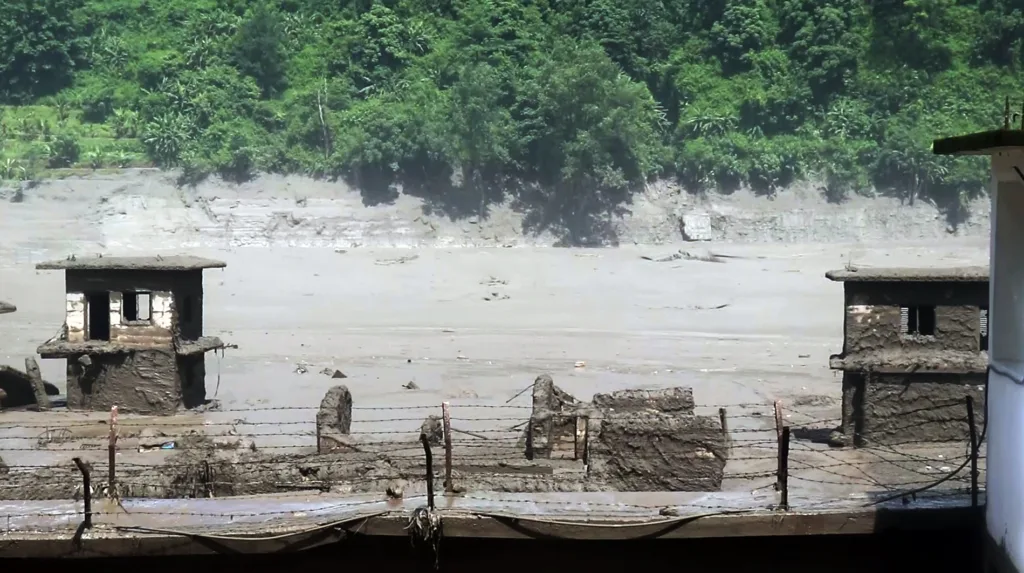
The disaster followed a glacier collapse near the Nepal-Tibet border on Wednesday, sending water, mud, rocks and debris through the Bhote Koshi and Trishuli river systems. The floods swept away homes, roads, bridges and infrastructure, with some bodies reportedly carried as far as Bihar and Uttar Pradesh.
Why is Nepal burying unidentified flood victims?
The immediate problem is space. In Chitwan, authorities had recovered more than 200 bodies, but only four had been identified, yet. Hospitals and temporary holding facilities were struggling to accommodate the remains as decomposition progressed.
Health experts also warned that prolonged storage of decomposing bodies and the resulting foul odour could create sanitation concerns and increase the risk of infections. With existing mortuary capacity overwhelmed, officials began looking for emergency burial sites.
The Chitwan District Security Committee subsequently decided to bury unidentified and unclaimed bodies at an open site in Devghat, Bharatpur Metropolitan City, under Nepal’s Unidentified and Unclaimed Bodies Management (First Amendment) Directive, 2026.
Prime Minister Balendra Shah said bodies that could not be identified would be managed by the government, while those identified by relatives would be handed over to their families.
How will families identify victims after burial?
The burial does not mean authorities are abandoning efforts to establish the victims’ identities.
Before burial, forensic teams collect DNA samples and assign each body a permanent identification or reference number. Investigators also preserve photographs, physical descriptions, clothing, jewellery, identity documents and other belongings linked to that number.
Authorities are maintaining records of inquests, autopsies, DNA profiles, burial dates and the precise location of each grave. These records can subsequently be compared with missing-person reports and DNA samples provided by relatives, The Kathmandu Post reported.
Nepal Police has also published information on unidentified and unclaimed flood victims online. According to a post by Nepal Police on X, people can scan a QR code or access its official database to view details of bodies recovered in Rasuwa district.
रसुवा जिल्ला भोटेकोशीमा आएको बाढीबाट प्रभावित "पहिचान नखुलेका तथा बेवारिसे शव" सम्बन्धी विवरणहरूका लागि QR Scan वा https://t.co/pnKPe51ZdI हेर्न सक्नुहुन्छ ।#नेपालप्रहरी #NepalPolice #BelieveInBlue #ToServeandProtect pic.twitter.com/o8OqgBGhr6
— Nepal Police (@NepalPoliceHQ) August 29, 2026
A 40-member medical team, including seven forensic pathologists and seven dental surgeons, has been involved in the identification effort. DNA samples have already been collected from bodies held at temporary facilities.
The challenge is spreading beyond Chitwan
The crisis is not confined to a single district. Authorities in Nawalparasi East have transferred bodies to facilities outside Chitwan, including Pokhara and Palpa. Other remains have been moved to hospitals in Rupandehi and Kapilvastu.
Officials in Kathmandu have also started identifying possible burial sites as authorities prepare for the possibility of recovering more unidentified remains.
Also Read | Waukee High School and Prairieview lockdown: What we know about ‘armed person threat’
For Nepal, the challenge now involves two urgent priorities: managing the immediate health and logistical crisis created by hundreds of recovered bodies while preserving enough forensic evidence for families to establish their identities later.
By linking every buried victim to DNA evidence, photographs and detailed records, authorities are attempting to ensure that burial is not the end of the identification process.