










The word “myth” is often used to describe something false or imaginary. But in mythology and history, it has a very different meaning. Myths are something that communities have carried from one generation to the next generation to explain the world, human life, nature and the divine. The myths are part of a culture’s memory and identity, whether they are written down or passed on through oral tradition.
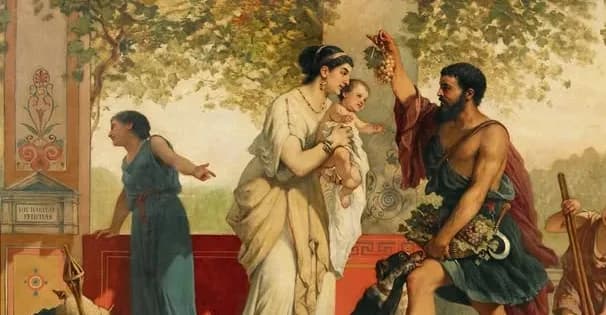
Every civilisation has myths. From the stories of the Ramayana and Mahabharata in India to the tales of Zeus and Athena in Greece, myths have helped people make sense of questions that had no simple answers.
Looking at myths through archaeomythology
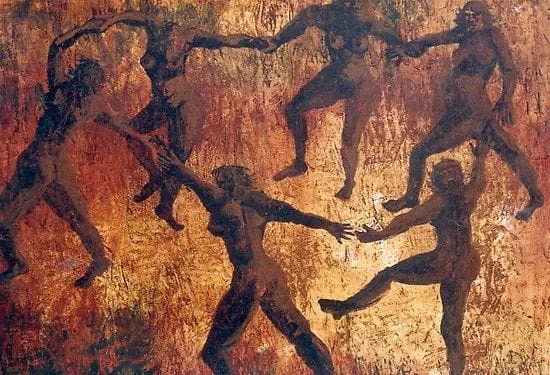
Archaeomythology studies myths alongside archaeology, history, language and folklore. Instead of reading an ancient story on its own, it asks what that story can tell us about the people who created it.
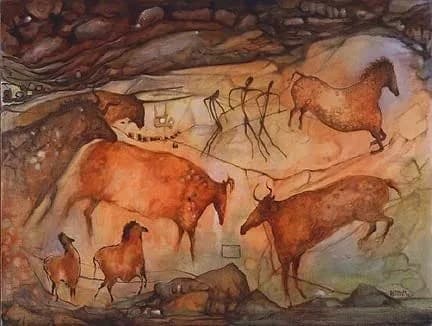
The field was developed by archaeologist Marija Gimbutas, who believed ancient symbols, temples, artefacts and myths should be studied together. Pottery, cave paintings, burial sites and religious symbols can all add context to stories that have survived for centuries.
Do myths contain history?
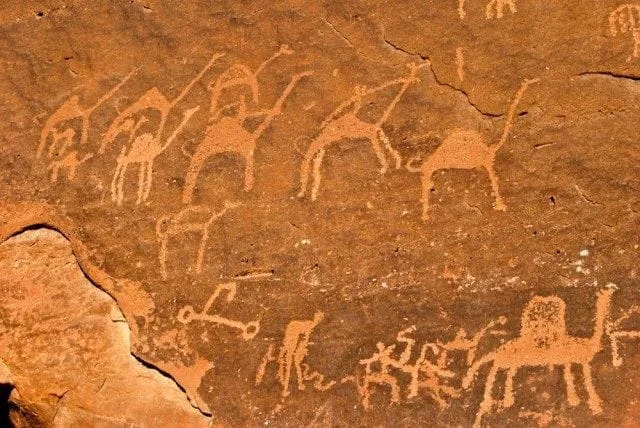
Not every myth is a historical account. At the same time, many researchers believe myths can serve as the preserved memories of real events, places and traditions.
As stories travel across generations to generations, details often change. Gods, heroes and magical elements may become part of the oral tradition and the older customs, rituals and social beliefs can remain hidden within those stories. Archaeomythology tries to identify those traces without treating every myth as literal history.
A well-known example is Ariadne from Greek mythology. She is usually remembered for helping Theseus escape the Labyrinth. Some archaeomythologists argue that older traditions point to Ariadne as an important Minoan goddess connected with fertility and renewal before her story changed over time.
Why myths still matter today
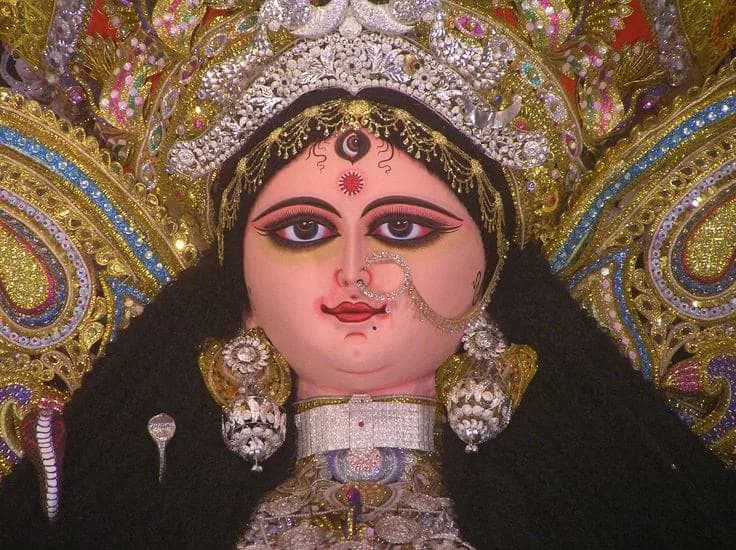
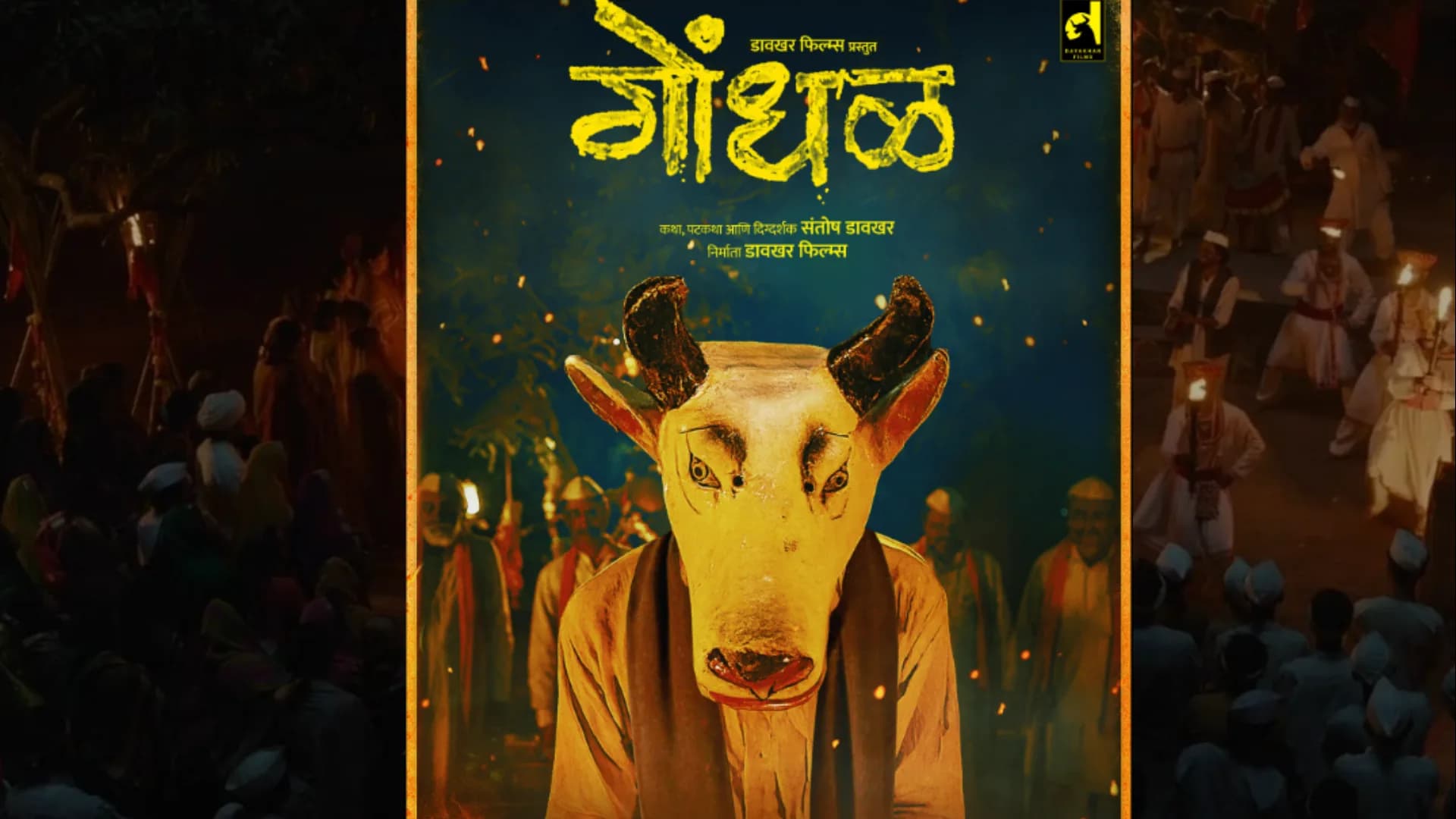
Myths continue to influence festivals, literature, art and everyday traditions. They tell us how ancient civilisations understood life, death, nature and the relationship between humans and the sacred. Even today, many rituals and cultural practices draw from the ancient stories that have existed for hundreds or even thousands of years.
Also Read | Greek and Roman nymphs: The forgotten guardians of nature in ancient mythology
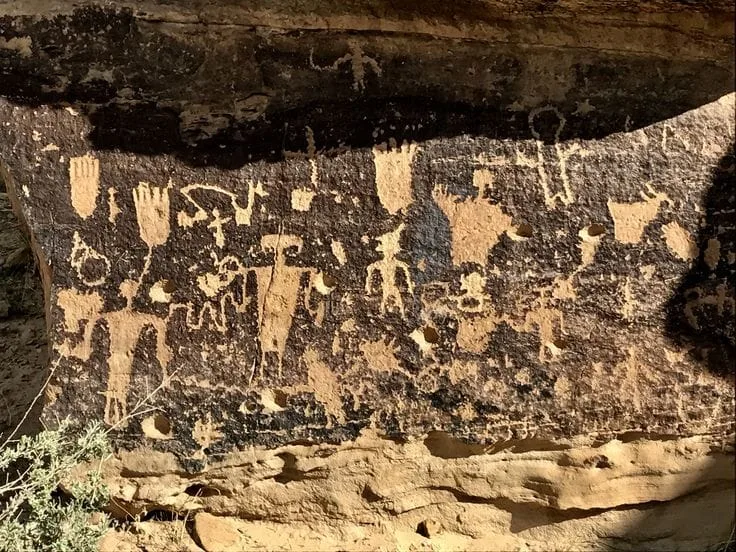
Reading myths this way is less about asking whether every event happened exactly as described and more about understanding what those stories meant to the people who narrated them.