










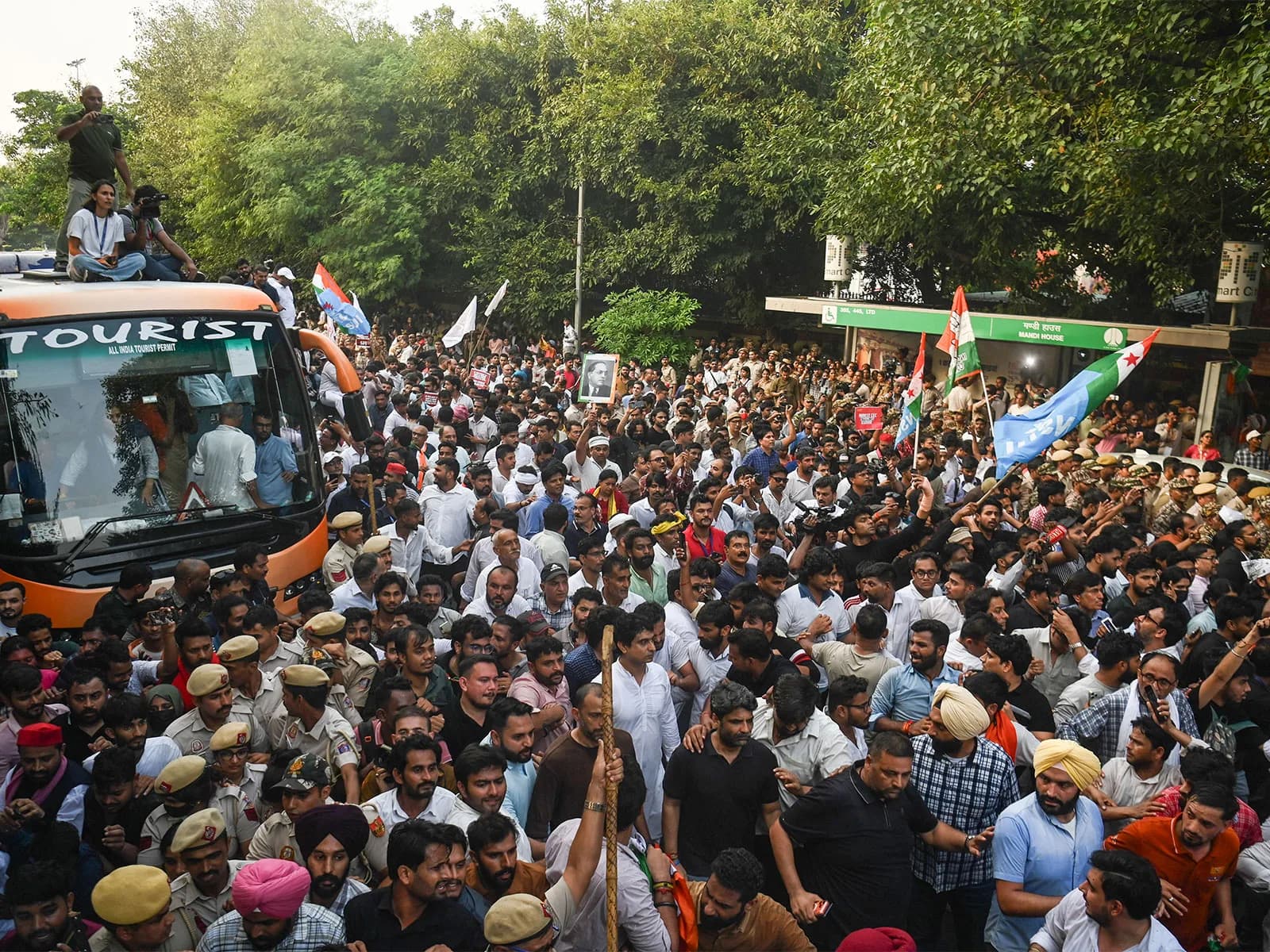

The United States’ November 3 midterm elections were a contest for control of Congress, which can change immigration law, decide which proposals receive hearings and oversee federal agencies.
Votes were still being counted on Wednesday, November 4. The Associated Press reported early Democratic wins in North Carolina, Georgia and New Hampshire, but control of Congress remained undecided.
For anyone asking what’s actually going on, listen to this. Easily one of the best breakdowns yet on the U.S. legal immigration system, and why Republicans are going after it all of a sudden.
— Saynotolibrandu (@saynotolibrandu) October 30, 2026
Also Read | BJP links Neha Bora’s temple remarks to Congress, revives ‘anti-Hindu’ row
The American dream comes with paperwork
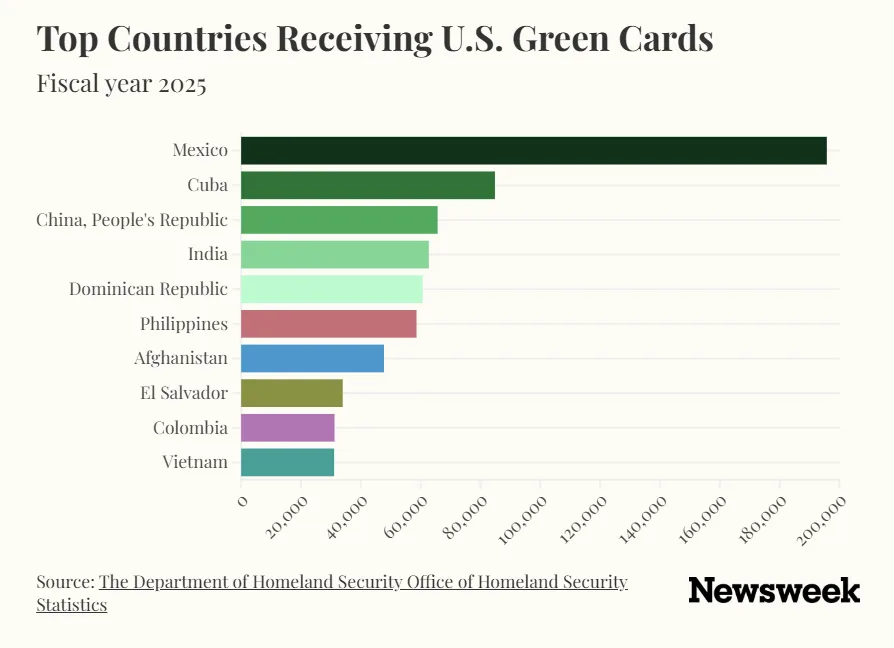
For Indian professionals, two routes to staying in the US are central. An H-1B is a temporary work visa for foreign nationals hired by US employers for specialist roles.
A green card, by contrast, grants permanent resident status. Many Indian technology workers enter on H-1B visas and later seek employer-sponsored green cards.
Changes to either system can affect their jobs, families and plans to settle in the country.
The H-1B exemption may no longer come cheap
One proposal that could tighten H-1B sponsorship is the Protecting American Workers Through H-1B Modernization Act, introduced by Republican lawmakers Glenn Grothman and Jon Husted.
Under current rules, certain employers that rely heavily on H-1B workers must meet extra recruitment requirements. They can avoid some of these requirements for workers earning at least $60,000 a year or holding a US master’s degree or higher.
The bill would replace that fixed salary threshold with a formula linked to the Social Security Administration’s national average wage index.
Grothman’s office says the threshold would be about $140,000 today. This could make fewer workers eligible for the exemption and increase employers’ compliance duties.
“American workers should come first in their own country,” Grothman said. The bill is not law.
Immigration reform is hardly a one-horse race
Another proposal, the End H-1B Abuse Act, was introduced by Republican Senator Tim Sheehy. It would pause new H-1B visas for three years and codify a $100,000 fee for certain petitions.
It, too, remains a proposal. Immigration reform is not divided neatly along party lines. A separate bipartisan H-1B and L-1 visa reform bill has also been introduced.
The election will influence which measures get the chance to advance.
A proposed points system could change the equation
Green cards raise a separate concern. Indian applicants for employment-based permanent residency have faced long waits because demand is high and US law limits the number of preference visas issued each year.
A seven per cent per-country ceiling applies to family-sponsored and employment-based preference visas combined.
The proposed SMARTER Act would replace the employment-based preference structure with a points system based on factors such as age, education, English ability, job offers and salary.
It also proposes removing per-country limits. That could affect Indian applicants, but it would not automatically clear the existing backlog. The bill has not become law.
Trump administration’s PERM suspension
Congress is not the only source of change. The Trump administration has also acted through executive powers and federal agencies.
On October 8, the government suspended new and pending PERM labour-certification applications involving major companies including Microsoft, Adobe, Cognizant, Infosys, Tata Consultancy Services, Wipro, HCL Technologies and Capgemini.
PERM is an important step in many employer-sponsored green-card cases. Under the process, employers must show that hiring a foreign worker will not harm US workers’ wages or jobs.
The administration cited alleged abuse and said the companies would need to change their hiring practices. The suspension affects this certification process; it does not automatically cancel an employee’s existing H-1B status.
Also Read | Trump’s last-minute California ballot gamble rejected by Supreme Court
Why control of Congress matters
The midterms matter because the party controlling each chamber influences committee leadership, hearings and which bills reach a vote.
A proposal must pass both the House and Senate in the same form before going to the president, who can sign or veto it.
Overriding a veto requires a two-thirds majority in both chambers. Senate rules can also mean most major bills need 60 votes to end debate.
A Democratic-controlled chamber could scrutinise the administration and slow some Republican-backed bills. But an election win alone cannot erase a presidential proclamation or reverse an agency rule.
For Indian workers, students and families, the result is not an overnight answer to visa uncertainty. It will shape the scope for new laws and oversight, while executive actions, agency decisions and court cases continue on separate tracks.
Changes to H-1B rules or green-card waiting times would require specific legal or administrative steps.