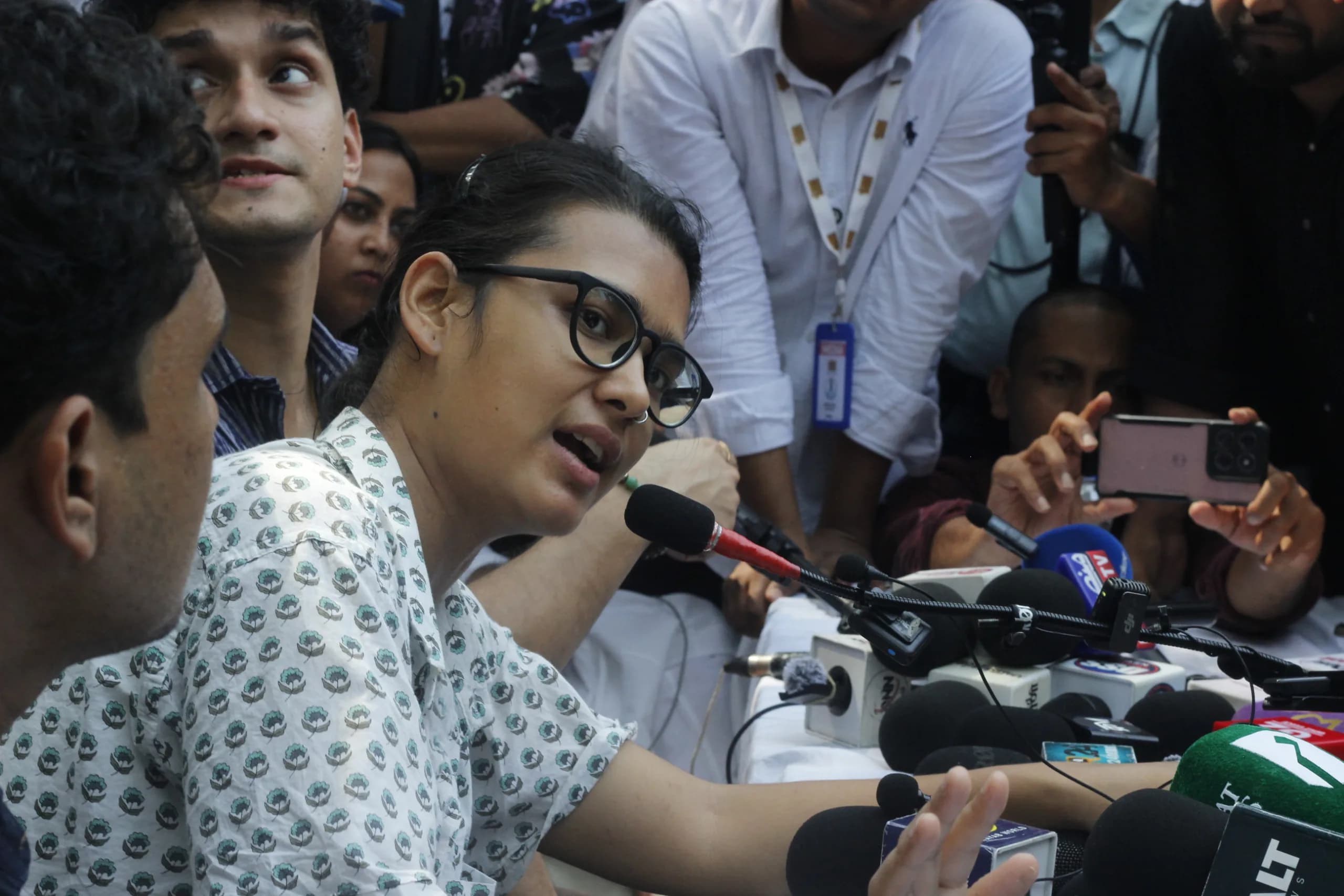










Neha Bora’s remarks on priests, temples and the Brahmanical system have triggered a political confrontation, with the BJP accusing the student activist of echoing Congress leader Rahul Gandhi’s criticism of Hindu religious institutions. BJP national spokesperson Pradeep Bhandari alleged that her comments reflected an ideological campaign against Sanatan Dharma and the Hindu faith.
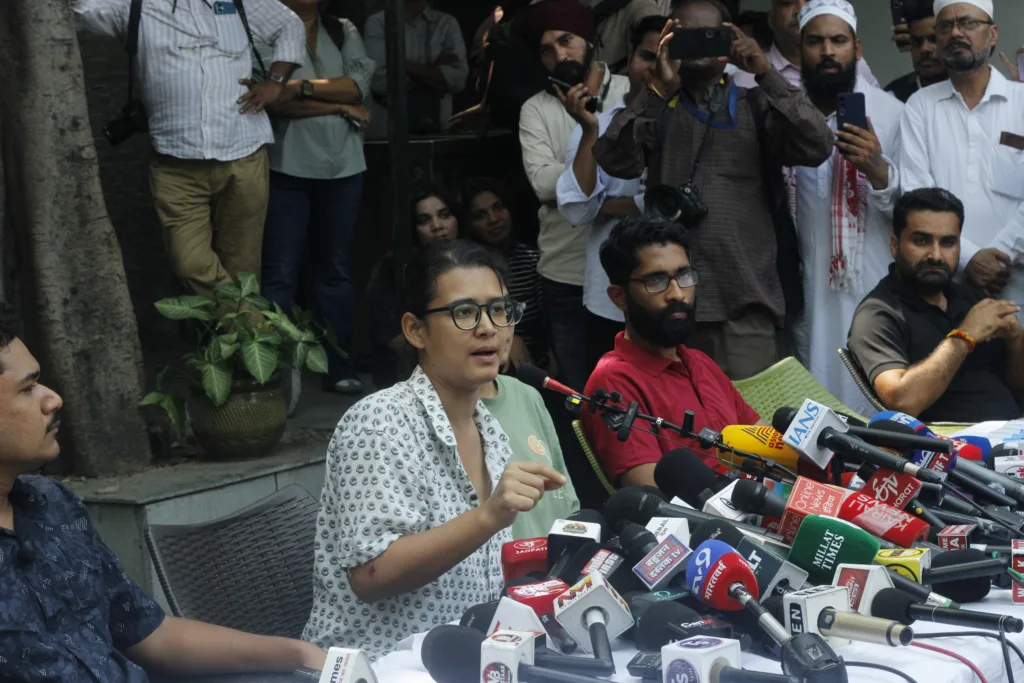
The controversy began after Bora, associated with the All India Students’ Association (AISA), spoke while backing an impeachment resolution against Chief Election Commissioner Gyanesh Kumar. She had raised allegations of deliberate voter deletions and procedural violations in electoral rolls before making remarks about caste, religious institutions and women’s safety.
BJP sees Rahul Gandhi connection in Neha Bora’s remarks
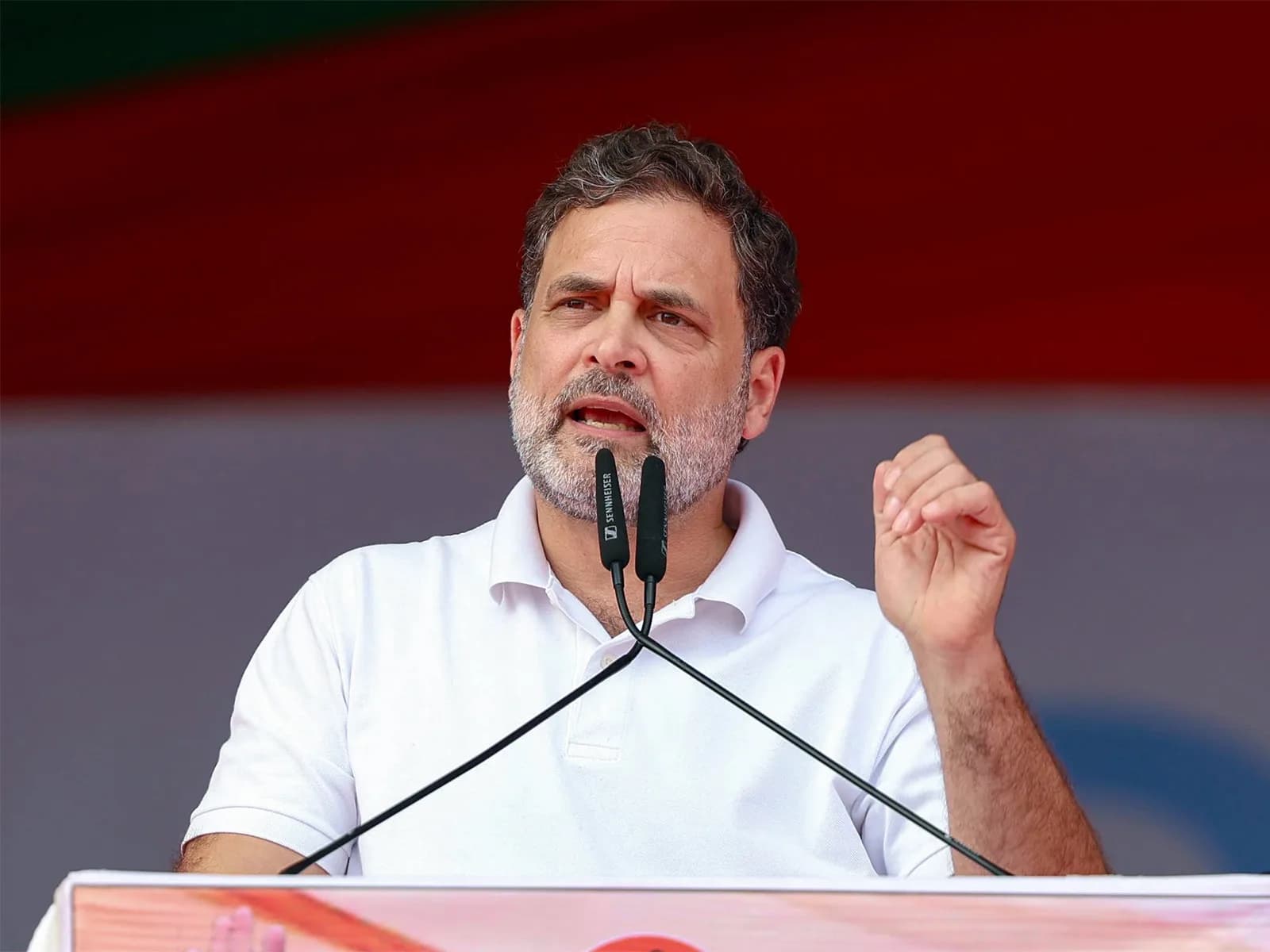
Reacting to the controversy, Bhandari said Neha Bora’s remarks sounded similar to statements previously made by Rahul Gandhi. He referred to Gandhi’s 2014 comments following the gang rape of a woman in Delhi, when the Congress leader spoke about the contradiction between worshipping goddesses in temples and the sexual harassment of women in public spaces.
Bhandari also cited Gandhi’s recent criticism of the Rashtriya Swayamsevak Sangh (RSS), which he had described on social media as an “all-male, anti-constitutional cult”.
The BJP spokesperson further recalled the political controversy surrounding the expressions “Hindu terror” and “saffron terror”, used by former Union home ministers P Chidambaram and Sushilkumar Shinde between 2010 and 2013 while discussing investigations into blast cases.
Bhandari accused the Congress of pursuing an anti-Hindu political agenda and claimed that Bora’s comments reflected the same ideological position. These were political allegations made by the BJP spokesperson, rather than established findings about the activist’s affiliations or motivations.
Also Read | Rahul Gandhi renews debate challenge as Amit Shah offers Parliament session
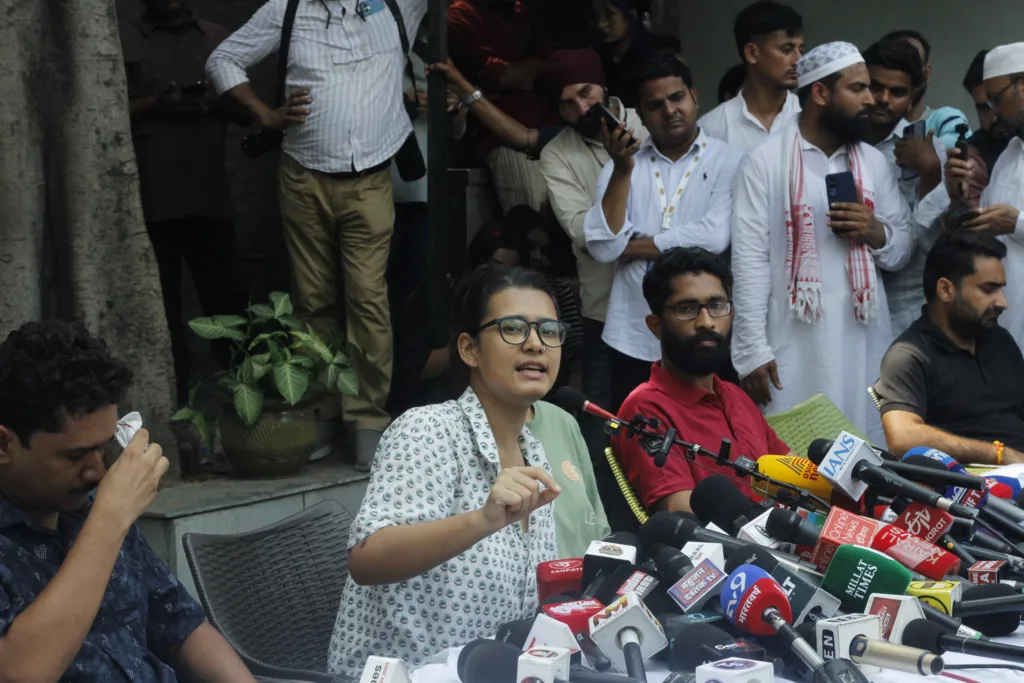
Neha Bora’s remarks on priests and women’s safety
During her statement, Bora argued that women needed protection from what she described as the Brahmanical system. She alleged that the system placed poor people, oppressed communities, animals and women in positions of subjugation and abuse. She also claimed that sexual assaults had taken place inside temples and that even Brahmin women were vulnerable to such violence.
Neha’s Bora remarks drew attention partly because of the sweeping nature of the allegations. Social media critics questioned whether allegations against individual perpetrators should be extended to an entire community or religious group.
The Instagram account Sanatanikids criticised the language used in the statement, arguing that serious allegations required accountability but should not become a basis for vilifying an entire community. It said those accused of sexual abuse should face legal action while cautioning against generalisations about women’s safety and religious communities.
Also Read | BJP maps 3-tier Uttar Pradesh poll campaign with Modi, Shah at the helm
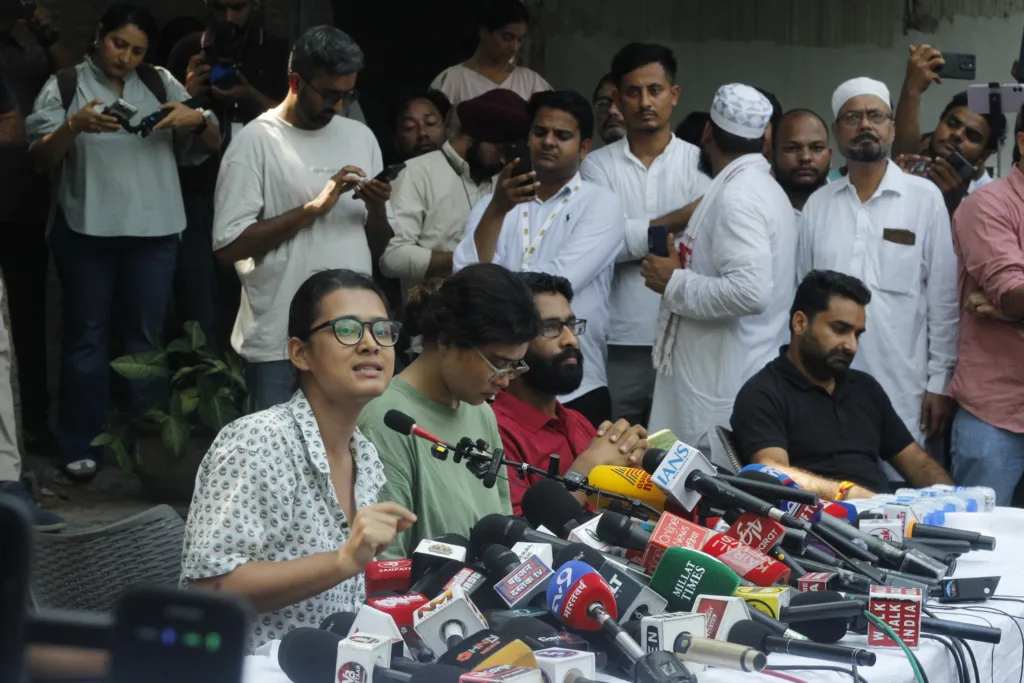
Kathua case cited as debate over temple safety intensifies
Bora referred to the 2018 Kathua case, in which an eight-year-old girl from the nomadic Bakarwal community was held captive inside a village temple, sexually assaulted and murdered. The case sparked nationwide protests and renewed debate over violence against women and children.
In June 2019, a special court convicted six men. Three accused, including temple caretaker Sanji Ram, were sentenced to life imprisonment.
Neha Bora’s remarks have therefore brought together several contentious issues, including women’s safety, caste discrimination, religious institutions and the language used in political debate. While the BJP has framed the comments as an attack on Hindu faith and linked them to Congress’s ideological position, critics have focused on the need to distinguish allegations against individuals from generalisations about communities.
The political exchange has also highlighted how debates over electoral institutions can quickly expand into wider arguments about religion, caste and national identity.