













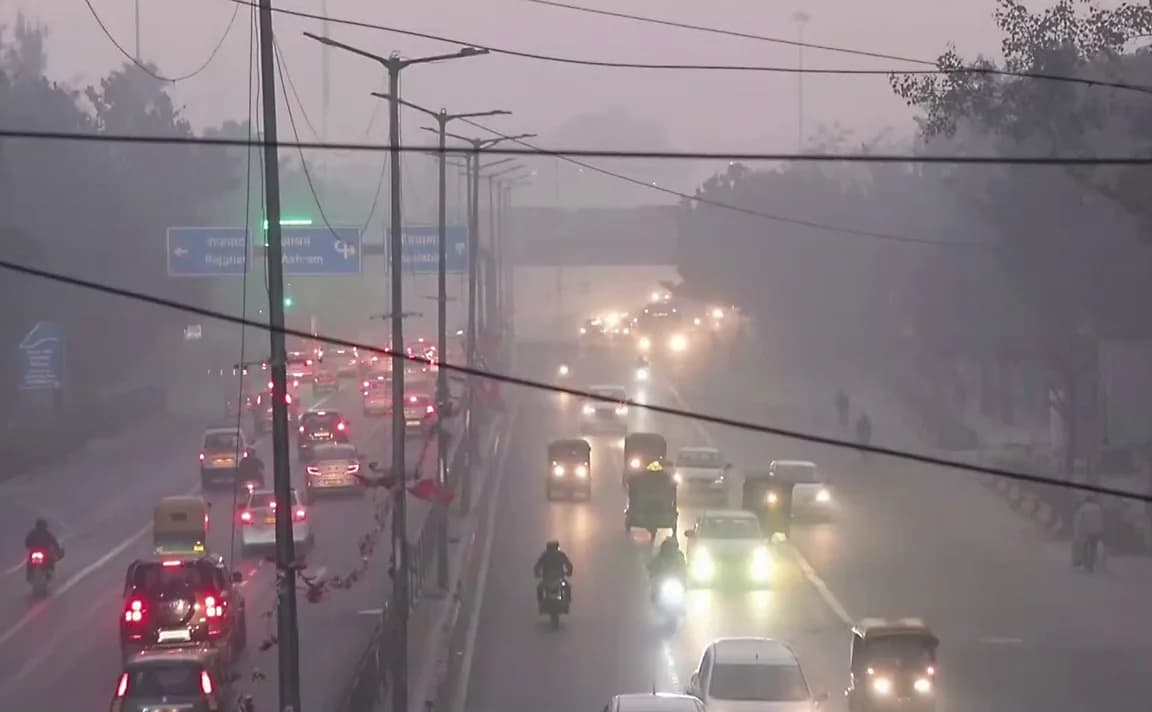


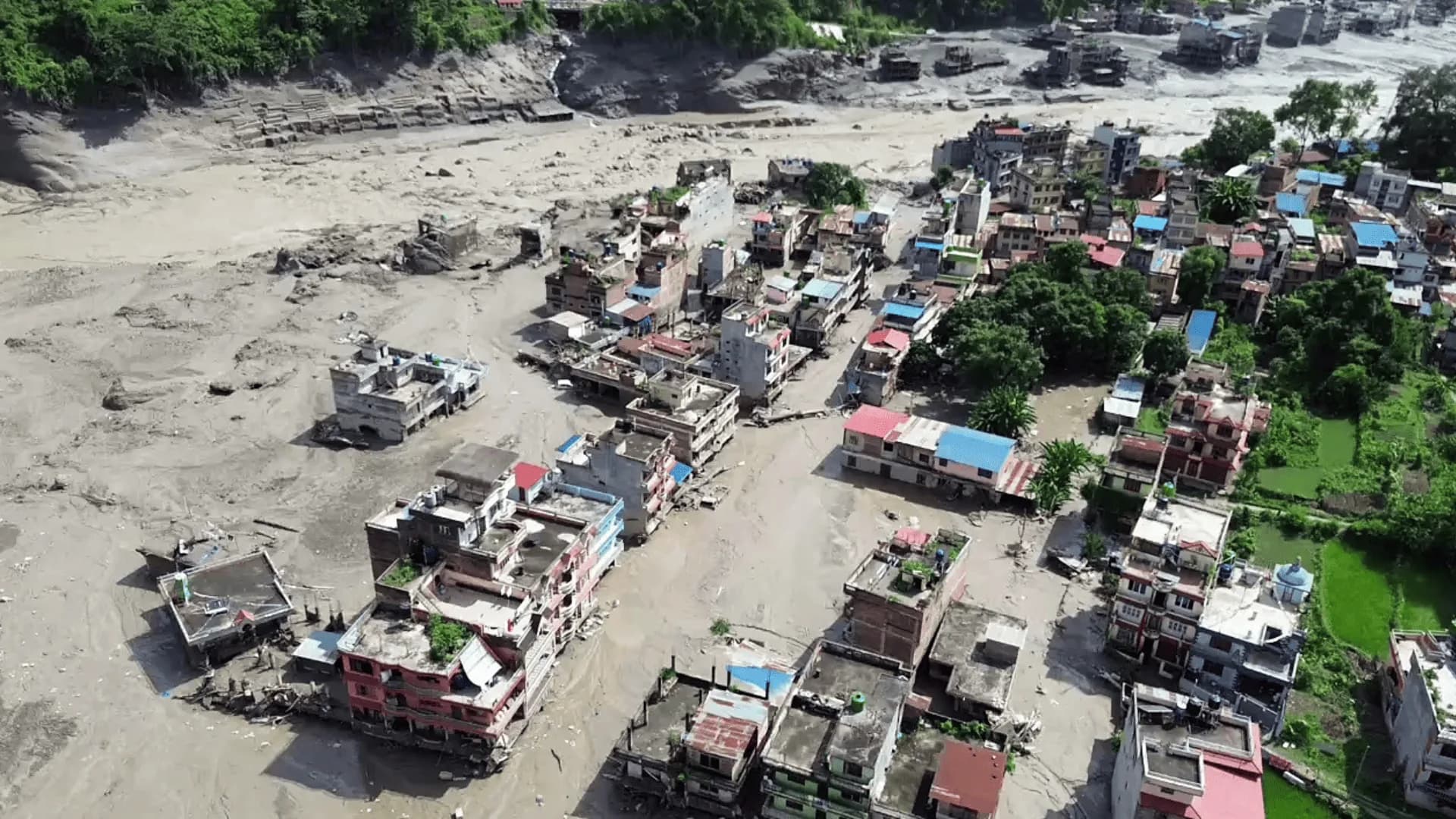
In the Himalayas, calamity seldom announces its arrival. It gathers silently behind clouds, glaciers and mountain ridges before descending with astonishing ferocity. Nepal’s latest flash flood is a grim reminder that in the world’s youngest mountain range, nature’s violence often unfolds in minutes rather than hours.
A flash flood is among the deadliest natural disasters because of its defining characteristic: speed. Unlike river floods that build gradually over days, flash floods develop within minutes or a few hours of intense rainfall, glacial lake outbursts, cloudbursts or sudden dam failures. Water rushes downhill with extraordinary momentum, carrying boulders, trees, vehicles and entire homes in its path. In Nepal’s steep valleys, where settlements cling to riverbanks and mountainsides, this speed transforms a torrent into a catastrophe.
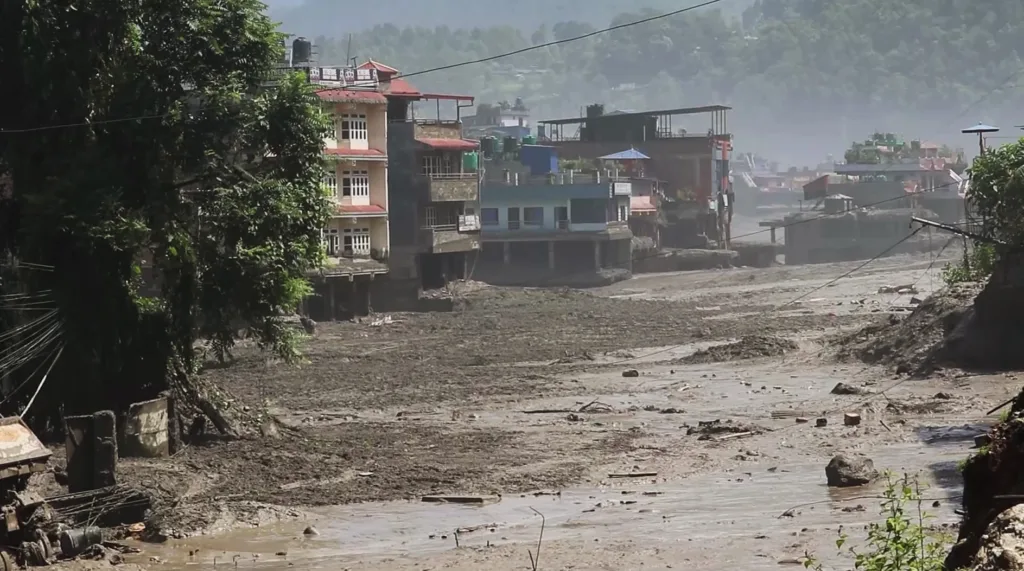
The recent tragedy unfolded after exceptionally intense rainfall lashed Nepal’s central and western Himalayan regions. Saturated slopes, swollen rivers and collapsing mountain streams combined into a devastating cascade. Tributaries feeding major rivers overflowed almost simultaneously, creating walls of water that engulfed villages, highways and bridges before many residents could escape.
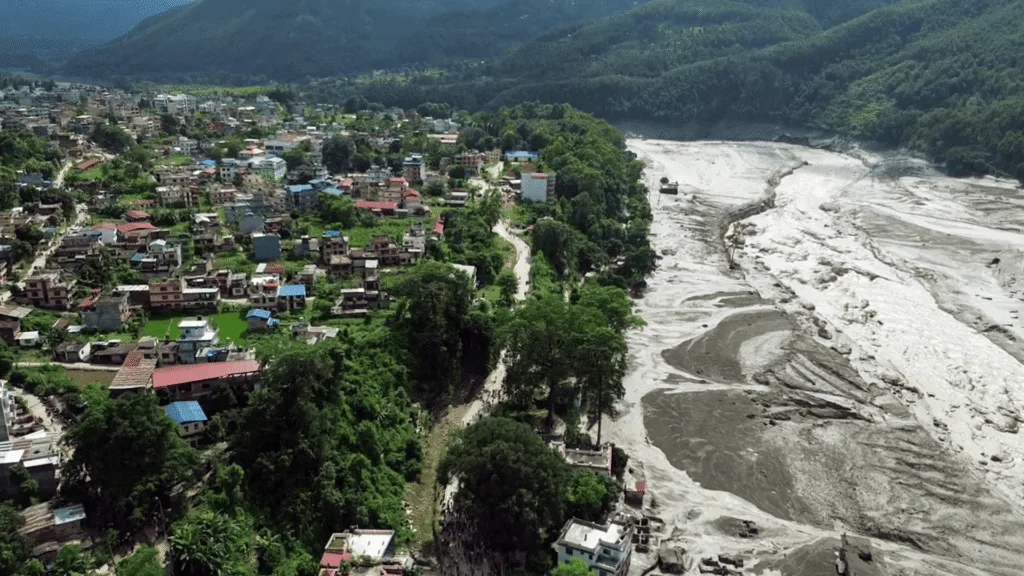
Meteorologists describe such events as high-intensity, short-duration rainfall episodes. The Himalayas amplify these systems through orographic lifting: moisture-laden monsoon winds rise rapidly over mountain slopes, cool abruptly and unleash enormous quantities of rain over confined catchments. When this deluge falls on already saturated terrain, the landscape loses its capacity to absorb water, forcing torrents downhill.
Also Read | 32 Kolkata tourists missing in Nepal: Here are all the helpline numbers for you
Yet rainfall tells only part of the story. Climate scientists increasingly warn that a warming Himalaya is making these disasters more frequent and more destructive. Nepal has witnessed accelerated glacier melt over recent decades, expanding fragile glacial lakes dammed only by loose rock and ice. When these natural barriers fail, they release millions of cubic metres of water downstream in what is known as a Glacial Lake Outburst Flood (GLOF), a phenomenon unique to high mountain environments.
The human cost is staggering. Families are displaced overnight. Roads connecting remote mountain districts disappear beneath landslides. Hydropower stations suffer extensive damage, disrupting electricity supplies and local economies. Search-and-rescue teams often struggle to reach affected communities because bridges and highways themselves become casualties of the flood.
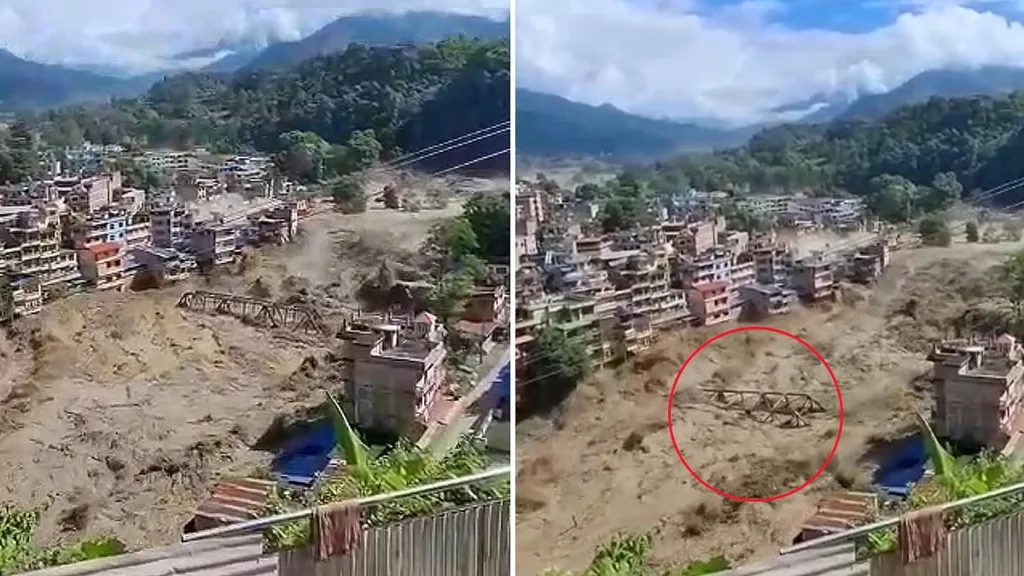
Flash floods are particularly lethal because they offer almost no reaction time. A shallow mountain stream can transform into a roaring river within thirty minutes. Water travelling at several metres per second exerts immense force, enough to sweep away concrete structures. Even thirty centimetres of fast-moving water can knock an adult off balance, while sixty centimetres can carry away a vehicle.
Nepal’s vulnerability is deeply geographical. Nearly eighty percent of the country is mountainous, intersected by thousands of rivers descending from Himalayan glaciers toward the Gangetic plains. Rapid urbanisation, deforestation and construction along river corridors have further narrowed natural flood channels, increasing exposure whenever rivers burst their banks.
The tragedy also carries implications for India. Rivers originating in Nepal—including the Koshi, Gandak and Karnali—flow into Bihar and Uttar Pradesh. Extreme rainfall upstream frequently translates into flooding downstream, making Himalayan hydrology a shared regional challenge rather than a national one.
Scientists argue that adaptation can reduce the devastation. Early warning systems using rainfall radar, satellite monitoring and river gauges have improved significantly. Community sirens, mobile alerts and evacuation protocols have already saved lives in several Himalayan districts. However, forecasting the precise location and intensity of cloudbursts remains one of meteorology’s greatest challenges.
Also Read | Kolkata rain alert: Will thunderstorms continue despite low pressure moving west?
Nepal’s latest disaster is therefore more than an isolated monsoon tragedy. It is an unsettling illustration of how climate change, fragile mountain ecosystems and expanding human settlements are colliding in the Himalayas. The mountains continue to nourish South Asia with rivers, biodiversity and livelihoods, yet they are becoming increasingly volatile under rising global temperatures.
A flash flood is not simply excess water. It is compressed time, unleashed gravity and accumulated climate risk converging into a single devastating moment. Nepal’s sorrow is a warning echoing across the Himalayas: in an era of intensifying extremes, resilience must travel faster than the flood itself.