
















Hot temperatures and monsoon humidity can leave the body feeling drained, particularly for people who spend long hours outdoors, travel frequently or exercise regularly. While drinking enough fluids remains important, everyday food choices can also support hydration and help maintain energy levels.
From adding water-rich fruits and vegetables to choosing lighter meals and replenishing electrolytes, small dietary changes can make staying hydrated easier through the warmer months.
Also Read | Darjeeling to Bhutan: The autumn escape that became my favourite journey
Drink fluids before you feel thirsty
Thirst can be an early sign of mild dehydration. Instead of waiting until you feel thirsty and then drinking large amounts at once, make regular fluid intake a habit throughout the day.

Buttermilk, lemon water with a pinch of rock salt, mint-infused water and traditional khus water are some options that can help replenish fluids. Excessive consumption of caffeinated and sugary drinks, however, should be limited.
Add water-rich foods to your meals
Hydration does not come only from beverages. Foods with high water content can also contribute to daily fluid intake.
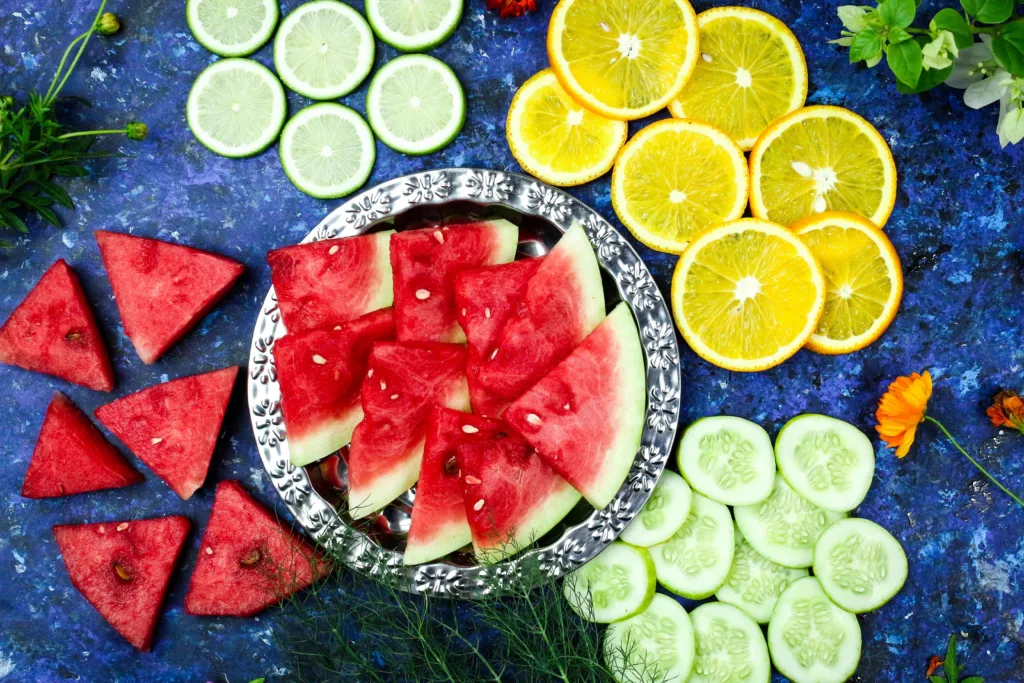
Watermelon, muskmelon, cucumber, bottle gourd, ash gourd, lettuce and zucchini are among the water-rich foods that can be incorporated into everyday meals. They can also support digestion while helping keep meals lighter.
Opt for lighter, home-cooked meals
Heavy, oily and spicy meals can feel particularly uncomfortable in hot weather. They may leave you feeling sluggish, bloated or fatigued.
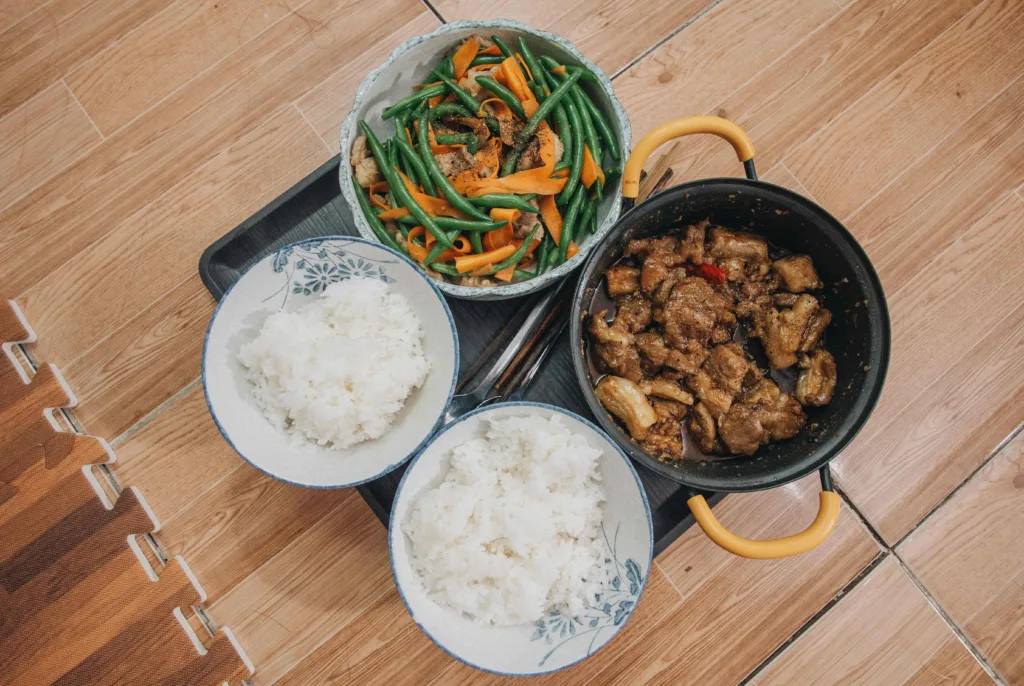
Lighter options such as khichdi, curd rice, millet rotis, lightly cooked vegetables, fresh salads and yoghurt-based dishes can provide nourishment without making meals feel excessively heavy.
Replenish electrolytes naturally
Sweating causes the body to lose minerals, including sodium and potassium. Replenishing electrolytes can therefore be particularly important during periods of heat and increased physical activity.

Lemon water with rock salt, yoghurt, watermelon, pomegranate and cucumber are among the foods and drinks highlighted as natural sources that can support electrolyte replenishment.
Include traditional cooling ingredients
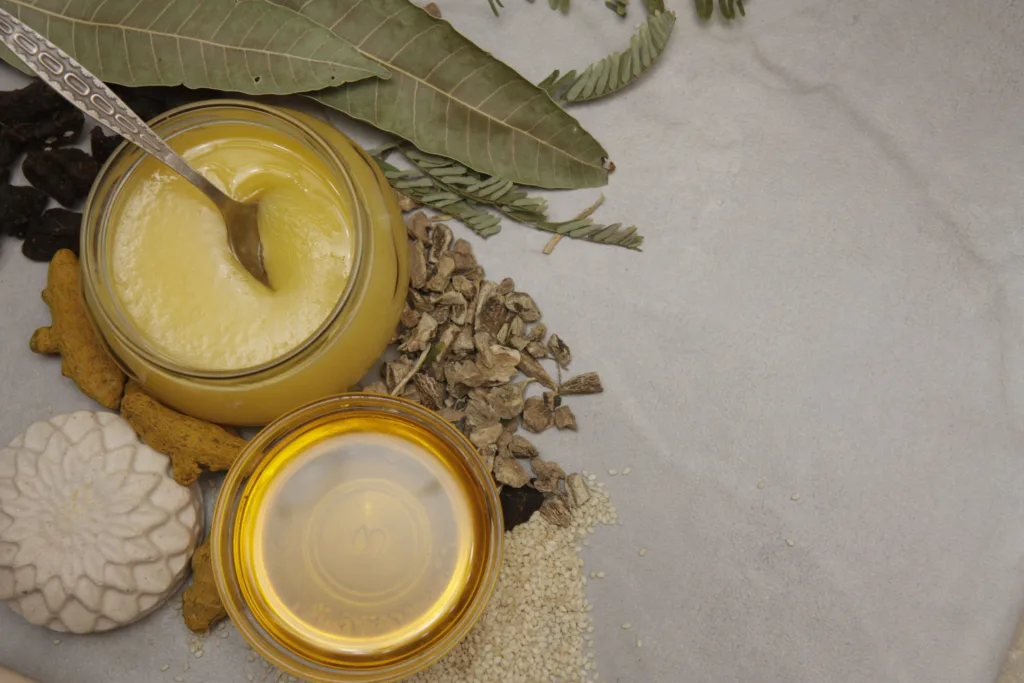
Several familiar Indian kitchen ingredients can be incorporated into summer meals and drinks. Mint, coriander, fennel seeds and sabja seeds can support hydration and digestion.
Aloe vera juice may also contribute to internal cooling when consumed appropriately.
Be mindful of when you eat
Meal timing can also affect how comfortable you feel in hot weather. Digestion generates heat, and heavy meals can feel more uncomfortable when temperatures are high.

Eating lunch a little earlier and avoiding very late dinners can help. It is also useful to carry water while travelling and avoid direct sun exposure immediately after meals.
Also Read | Want to transform your body in 12 months? Fitness coach suggests these 4 basics
Hydration for kids and elders
Kids may not necessarily feel the need for liquids when they are engaged in playing. Elders may also feel a lesser sense of thirst.
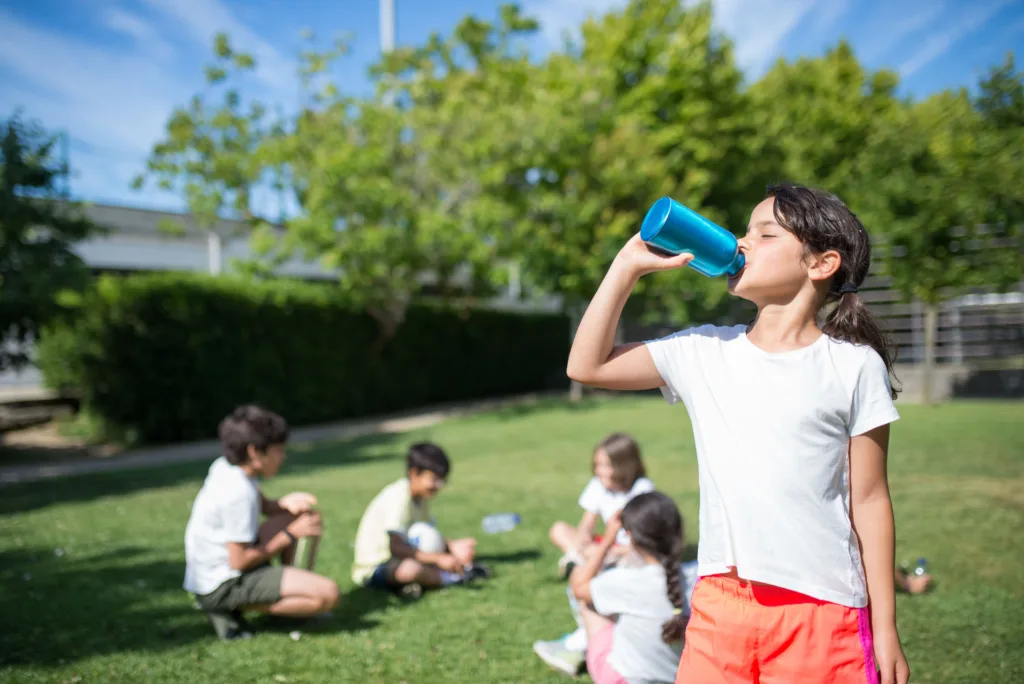
Hydration by giving water from time to time and seasonal fruits, curd and other beverages prepared at home will keep them hydrated.
Hydration does not mean that you have to make any drastic changes in your diet. Drinking enough amount of fluids, eating seasonal vegetables and fruits, maintaining electrolyte balance and eating light food can be done in your everyday life.
In hot and humid climate, these simple practices can help you stay hydrated, energetic and healthy.