







West Bengal’s proposed school curriculum overhaul is set to bring significant changes to textbooks from January next year, with the state syllabus panel recommending a fresh selection of literary, historical and political content. The proposed revisions include the introduction of lessons on BJP ideologue Dr Syama Prasad Mookerjee, removal of chapters on the Singur land movement and Kanyashree, and changes to selected works by Rabindranath Tagore and Sachindranath Sengupta.
The proposed Bengal school curriculum has been prepared by the Syllabus-cum-Curriculum Committee constituted by the BJP government led by Chief Minister Suvendu Adhikari. Several recommendations have already been sent to the state government for approval, while the remaining sections are expected to follow shortly.
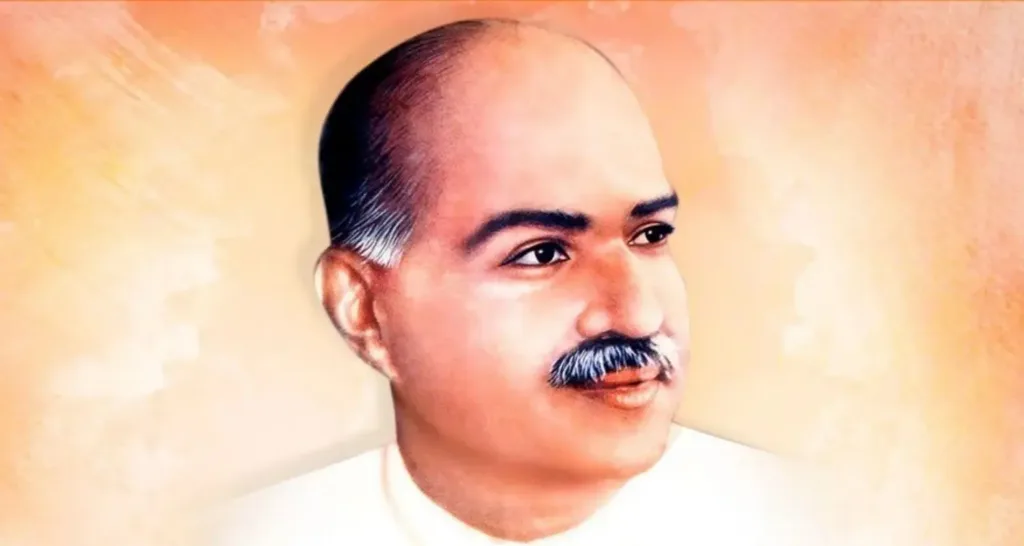
Bengal’s school curriculum to include Syama Prasad Mookerjee
One of the most prominent recommendations is the inclusion of a synopsis of Syama Prasad Mookerjee’s life and contributions in textbooks across classes. Committee chairperson Prof Debashis Chatterjee said the objective was to ensure that students learn about Mookerjee and his role in India’s political history.
The proposal follows an earlier decision by the Higher Education Department asking state-aided educational institutions to teach about Mookerjee’s life and contributions.
Bengal’s school curriculum panel has also recommended removing lessons associated with initiatives of the previous Trinamool Congress government. A chapter on the Singur land movement is proposed to be removed from the middle school syllabus, while the chapter on the Kanyashree scheme is also set to be dropped.
Both subjects were introduced into textbooks during the previous government. The Singur land movement was a major political episode in Bengal and played a significant role in Mamata Banerjee’s rise to power.
The proposed Bengal’s school curriculum changes therefore extend beyond individual textbook chapters and reflect a broader attempt to alter how political and historical developments are presented to students.
Also Read | Why is CPM Bengal struggling to attract young members?
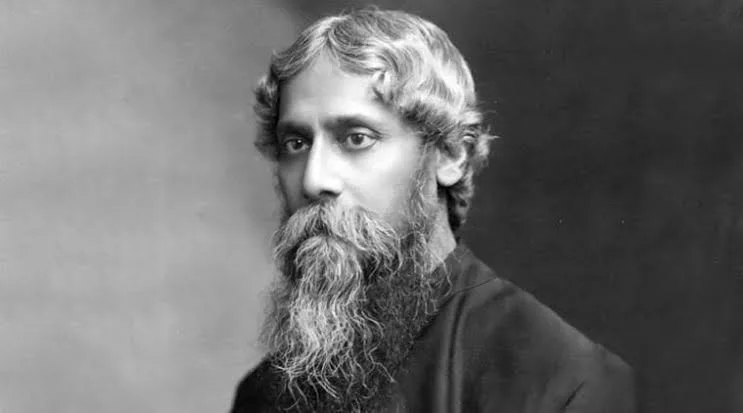
Tagore’s poem to make way for Shibaji Utsav
The literary component of the Bengal school curriculum is also expected to change. The committee has proposed removing Rabindranath Tagore’s poem Africa and replacing it with Shibaji Utsav, another work by Tagore that celebrates Chhatrapati Shivaji.
Africa was written in the context of Benito Mussolini’s invasion of Ethiopia and contains a strong critique of colonialism and Western imperialism. The decision to replace it has therefore attracted attention because of the contrasting historical themes represented by the two poems.
Prof Chatterjee defended the recommendation by arguing that Shibaji Utsav was relevant to India’s cultural values and the broader idea of Viksit Bharat.
Another major literary change concerns Sachindranath Sengupta’s play Sirajdoulla. The work, which deals with the defeat of Bengal’s Nawab Siraj-ud-Daulah and the betrayal surrounding his downfall, is proposed to be replaced by Dwijendralal Ray’s Mebar Patan.
Mebar Patan focuses on the Mughal invasion of Mewar and the Rajput resistance associated with the historical episode.
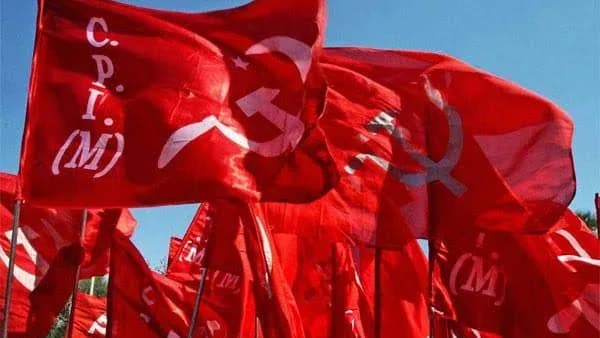
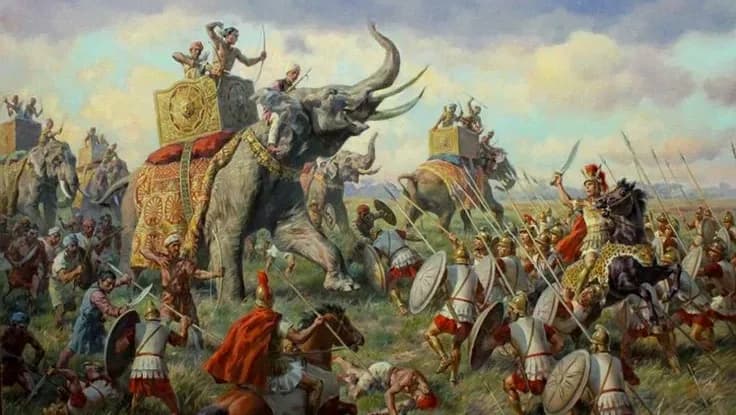
The Bengal’s school curriculum panel has also recommended reducing portions dealing with communism and the Mughal period, while giving greater space to figures who fought for India’s freedom.
Also Read | West Bengal needs a new strategy to attract private and smarter investment
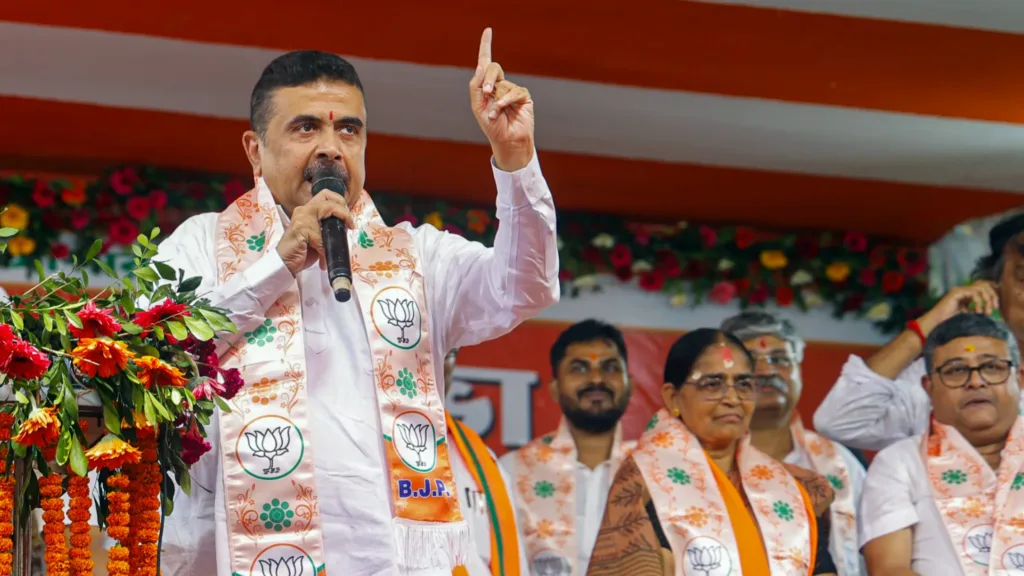
Bengali language books and history portions also face changes
The proposed Bengal’s school curriculum overhaul is not limited to literature and history. Bengali language textbooks are also being reviewed, with the committee suggesting that some words considered less commonly used in everyday Bengali should be replaced.
Committee members have cited proposed changes involving words such as “pani”, “amma” and “abba”. The stated intention is to make textbook language more closely reflect commonly used Bengali vocabulary.
At the same time, the committee has argued for greater emphasis on India’s freedom struggle. Prof Chatterjee said students had traditionally been required to remember details about rulers and monuments while figures who sacrificed their lives for India’s freedom received comparatively less attention.
The recommendations are now awaiting consideration by the state government. Education Minister Deepak Burman has said the syllabus committee is overseeing the exercise and that he will examine the proposals once they reach him.
As a result, the Bengal school curriculum revision remains a proposal rather than a final textbook framework. If approved, however, it could significantly change how schools teach history, literature, politics and Bengali language from the next academic session.
The debate over Bengal’s school curriculum is also likely to continue as educators, historians and political parties examine whether the proposed changes broaden students’ understanding of Bengal and India or introduce a new ideological emphasis into school education.