













In India, animals have long occupied a place beyond the natural world. They appear in stories about gods and goddesses, are associated with particular festivals and rituals, and often represent qualities such as strength, wisdom, fertility and protection.
Indian mythology has created a close connection between wildlife and the sacred. Some animals are described as divine companions or vehicles of gods, while others appear as powerful beings in their own right. These stories have also influenced the way generations of people have viewed animals in everyday life.
Here are five animals that have particularly strong links with Indian mythology.
Elephants are associated with Ganesha and Airavata
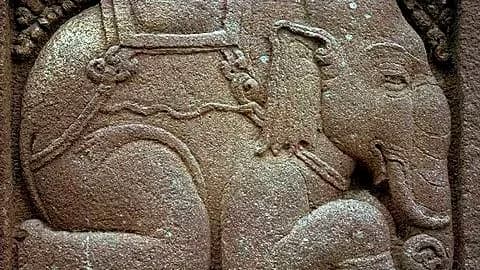
The elephant has one of the strongest mythological identities in India. The most familiar association is with Lord Ganesha, the elephant-headed deity worshipped as the remover of obstacles and the god of wisdom, beginnings and prosperity.
According to the popular story, Ganesha was beheaded by Shiva after a confrontation. Shiva later restored his life by replacing his head with that of an elephant. The story has made the elephant an enduring symbol of intelligence, strength and renewal.
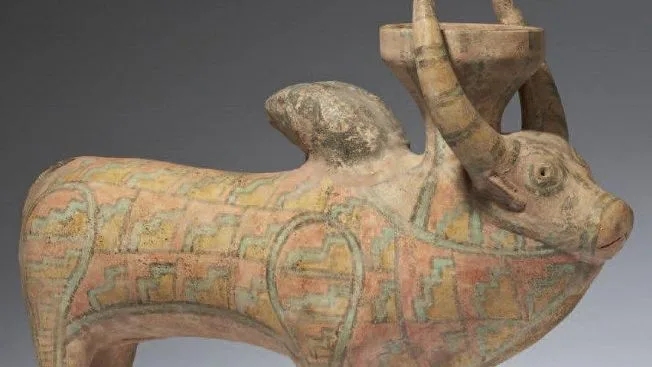
Elephants also appear in the mythology surrounding Indra, the king of the gods. His celestial mount, Airavata, is described as a magnificent white elephant that emerged during the churning of the cosmic ocean.
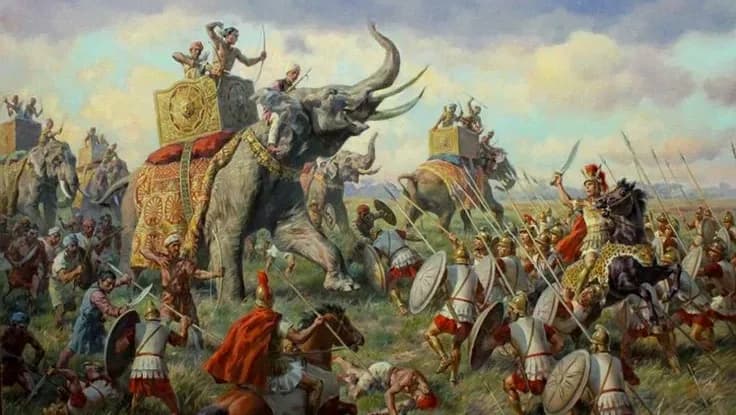
Because of these associations, elephants have traditionally been linked with royalty, power, rain and prosperity. Their presence in temple processions and religious festivals continues to reflect this cultural importance.
The tiger represents Durga’s power
The tiger is another animal closely connected with Hindu religious imagery. Goddess Durga is commonly depicted riding a tiger as she battles evil forces.
The animal represents physical strength, courage and uncontrolled power, while Durga’s command over it suggests that strength can be guided by wisdom and purpose.
The association has also contributed to the tiger’s special place in Indian culture. The animal may be feared as a predator, but it has simultaneously been treated with a degree of reverence because of its connection with the goddess.
This mixture of fear, respect and religious symbolism has helped make the tiger one of the most recognisable animals in Indian cultural traditions.
Snakes are linked with Shiva and Vishnu
Few animals have a more complicated place in Indian mythology than the snake. While snakes can inspire fear, Hindu traditions also associate them with divine power, protection and the forces of nature.
The Nagas, often described as serpent-like or semi-divine beings, appear throughout Indian mythology. They are associated with water, fertility, protection and subterranean realms.
One of the best-known images is that of Lord Vishnu reclining upon Shesha, the cosmic serpent. Shiva is also frequently depicted wearing snakes around his neck and body.
Snakes are especially prominent during Nag Panchami, when they are worshipped in several parts of India. The festival reflects a broader cultural idea of respecting creatures that people may otherwise regard as dangerous.
The cow represents abundance and motherhood
The cow has a particularly important place in Indian religious and cultural traditions. In mythology, it is often associated with nourishment, motherhood, abundance and generosity.
One of the best-known divine cows is Kamadhenu, described in Hindu mythology as a wish-fulfilling cow capable of providing what is needed. She is therefore associated with prosperity and abundance.
Lord Krishna’s childhood and youth also strengthened the cultural connection between cows and pastoral life. Krishna is traditionally portrayed as a cowherd, with cows forming an important part of stories surrounding his life in Vrindavan.
Also Read | Dragon Ball and the ancient Chinese mythology that inspired Akira Toriyama
These associations have contributed to the cow’s revered status in many Hindu communities and have also influenced customs and debates surrounding the treatment of the animal in modern India.
The peacock carries several divine associations
India’s national bird, the peacock, also appears prominently in Hindu mythology.
The bird is associated with Lord Kartikeya, also known as Murugan, whose mount is traditionally depicted as a peacock. In this context, the bird is connected with victory and the overcoming of negative qualities such as pride and desire.
Peacock feathers have another famous association with Lord Krishna. He is frequently shown wearing a peacock feather in his crown, linking the bird with beauty, playfulness and divine love.
The peacock’s striking appearance has made it a natural subject for symbolism and religious art. Its presence in mythology gives the bird a significance that goes beyond its distinctive plumage, turning it into an enduring symbol of beauty and transformation.
When mythology and wildlife meet
These five animals show how closely India’s ideas about nature have been tied to mythology for centuries. Elephants, tigers, snakes, cows and peacocks are not simply recurring figures in old stories. Their associations with gods, festivals and religious traditions have helped shape the cultural identities attached to them.
Also Read | Mythology of white Hindus and the Western gaze on Hinduism
Mythology does not replace the biological reality of these animals, but it adds another layer to the way they are understood. A tiger becomes more than a predator when it is seen beside Durga; an elephant becomes more than a large mammal when its image is connected with Ganesha and Airavata.
That relationship between belief, storytelling and the natural world continues to influence how these animals are represented and remembered in India today.