










The Communist Party of India (Marxist) in West Bengal is confronting a gap between youth participation in Left-led student movements and the number of young people formally joining the party.
The CPM’s latest organisational review found that only 4.55 per cent of its members in West Bengal are below the age of 30. The party has described the figure as a matter of concern and acknowledged that greater attention needs to be given to bringing new members into its ranks.
The issue was highlighted in a 12-page communication circulated among party members after the extended state committee meeting held in Kalyani, Nadia, on August 29 and 30. The meeting focused on the party’s political and organisational position in the state.
CPM’s youth membership raises concern
The latest figures have prompted questions inside the organisation about why youth participation in student and public movements is not translating into a larger pool of young CPM members.
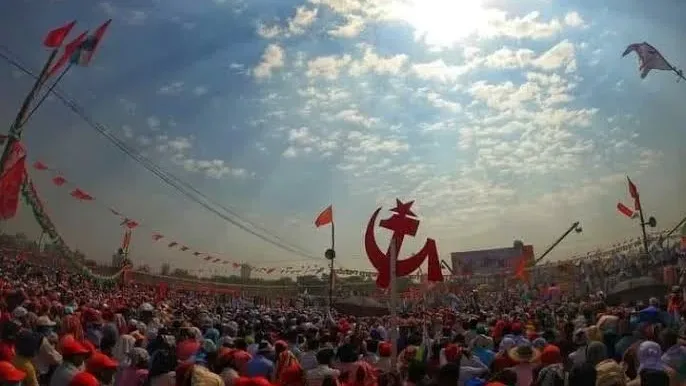
The decline is visible when the recent figures are compared with earlier organisational data. The share of CPM members below 30 stood at 8.7 per cent in 2021 before falling to 8.2 per cent in 2024 and then to 4.55 per cent.
The party’s 2026 membership renewal figures also showed a 0.44 per cent decline in overall membership from the previous year, with the organisational review pointing to insufficient emphasis on inducting new members.
SFI remains active on campuses
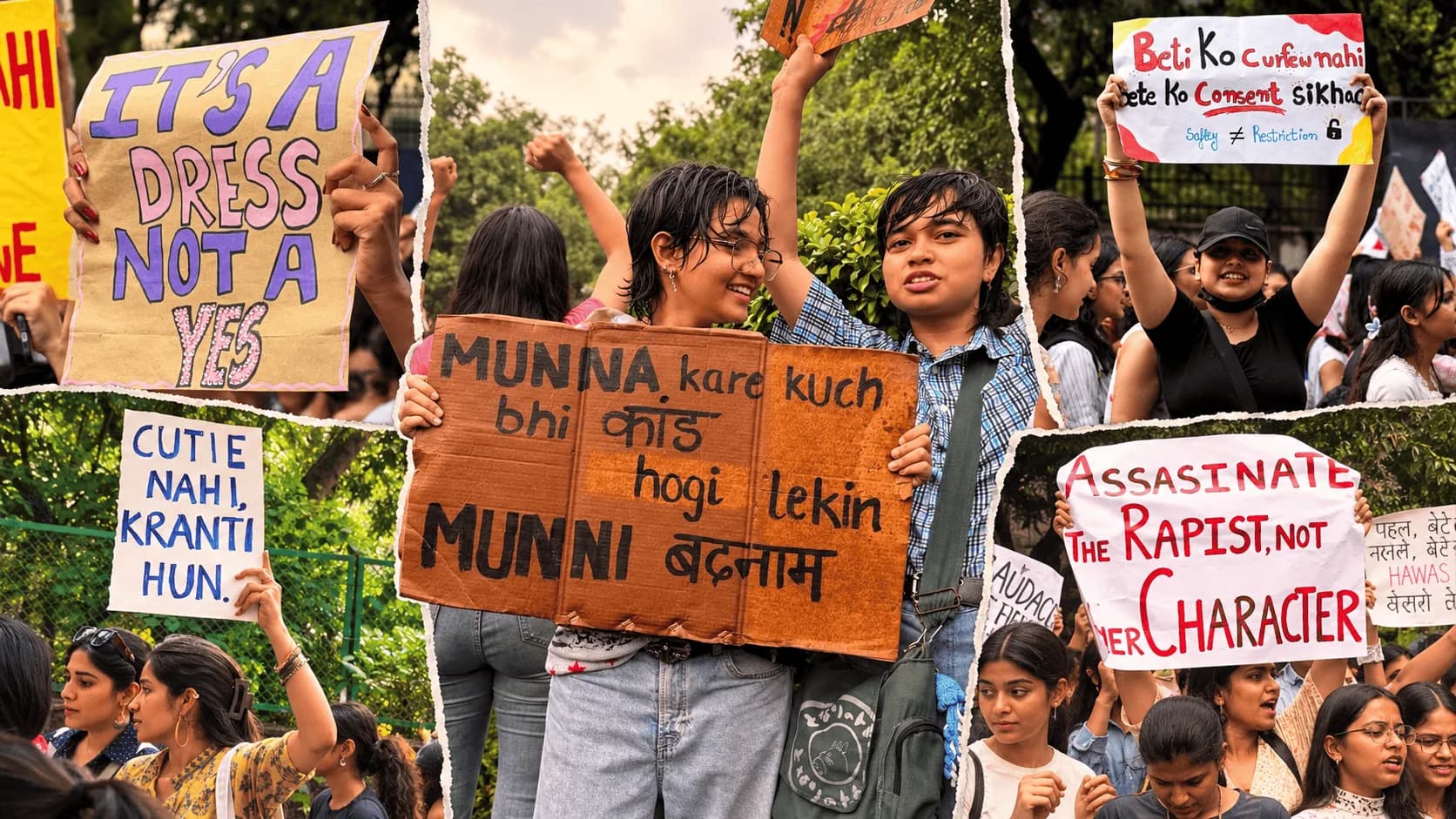
The numbers present a contrast with the continued presence of the Students’ Federation of India (SFI), the CPM’s student organisation, in West Bengal.
According to the CPM’s organisational report adopted at its 24th Congress, SFI membership in the state increased from around 5.1 lakh in 2020-21 to more than 8.3 lakh in 2023-24.
The student organisation has remained active around issues linked to education, examinations and employment. The latest organisational review has therefore focused on the difficulty of converting such activism into sustained party membership.
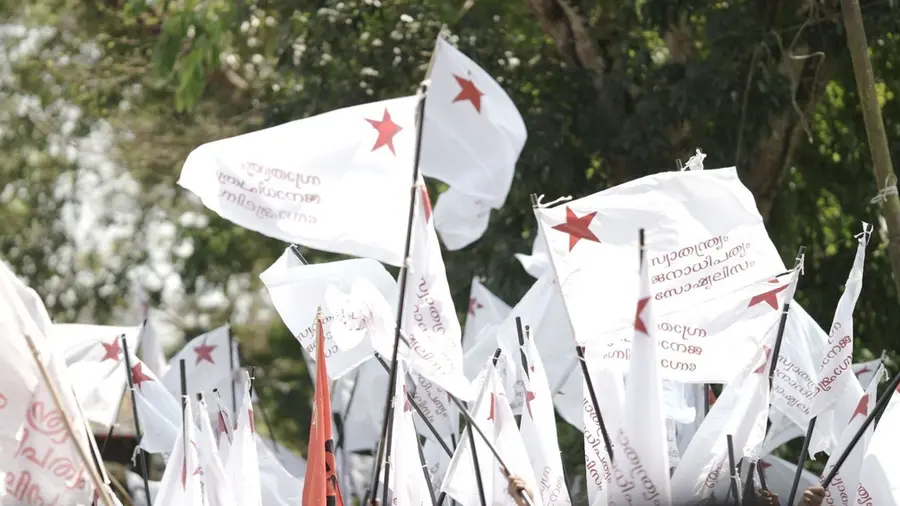
Former student activists cited organisational gaps as one factor. They said activists who work through the SFI on campuses in Kolkata, Siliguri, Durgapur or Santiniketan can lose contact with the party structure after returning to their home districts.
Auxiliary Groups remain a key concern
The CPM’s own review points to a weakness at the grassroots level. Around 64.90 per cent of the party’s branches in Bengal reportedly do not have an Auxiliary Group, the preliminary structure through which sympathisers and supporters can be developed towards primary membership.
Former SFI activists said the absence of a clear organisational link can make the transition from campus politics to local party work difficult.
“There is often no communication or bridge between the area committee and student activists who return from campuses,” a former SFI activist said on condition of anonymity.
Some activists also argued that young leaders working outside Kolkata do not always receive the same visibility as those active on major city campuses.
Former SFI activists take different paths
Somnath Sow, who was associated with the SFI at Visva-Bharati University between 2013 and 2023, said he stepped away from the party over organisational issues and is currently focusing on his studies and legal practice in Burdwan.
Also Read | Keep your friends close, but your enemies closer? The implications of TMC-CPI(M) dialogue amid EC row
After the 2026 Assembly elections, the CPM approached him again to become active in the organisation.
Other former student activists have taken different political routes. Soumen Karfa, who was associated with the SFI and DYFI, is now a BJP MLA from Bhatar. Pratikur Rahman joined the Trinamool Congress before the 2026 elections after differences with the CPM’s strategy and later said he had felt “suffocated” and cornered.
Migration also affects youth mobilisation
Former SFI activist Debasish Mandal from Birbhum pointed to education and employment-related migration as another factor.
“Many SFI activists migrate to other states either for higher studies or employment opportunities. There are hardly any job opportunities in the state, so both educated and otherwise youth migrate, so they become physically detached with party, but their moral support remains,” Mandal said.
The CPM has also been experimenting with programmes aimed at engaging younger voters. Its ‘Projonmer Dak’ (call of the generation) initiative used music, digital interaction and young party leaders to discuss issues including education and employment.
The party’s latest communication called for young people involved in mass movements to be systematically brought into its organisational structure. It also identified political and ideological education, experience through movements and organisational consciousness as important elements in developing party members.
The document additionally warned against what it termed “un-communist” self-promotion and called for more organised and coherent social media activity.
Also Read | West Bengal needs a new strategy to attract private and smarter investment
CPM acknowledges youth participation challenge
Mayukh Biswas, a state CPM leader and former SFI general secretary, acknowledged that there had been organisational problems but said steps were being taken to address them.
“There were some problems in the organisation, which have been addressed, and we are trying for more youth participation in the party,” Biswas said.
He also pointed to the recent participation of young people in student mobilisations as a significant development.
The challenge for the CPM in West Bengal now lies in strengthening the organisational connection between that youth participation and its formal party structure, an issue that has been explicitly flagged in its latest internal review.