










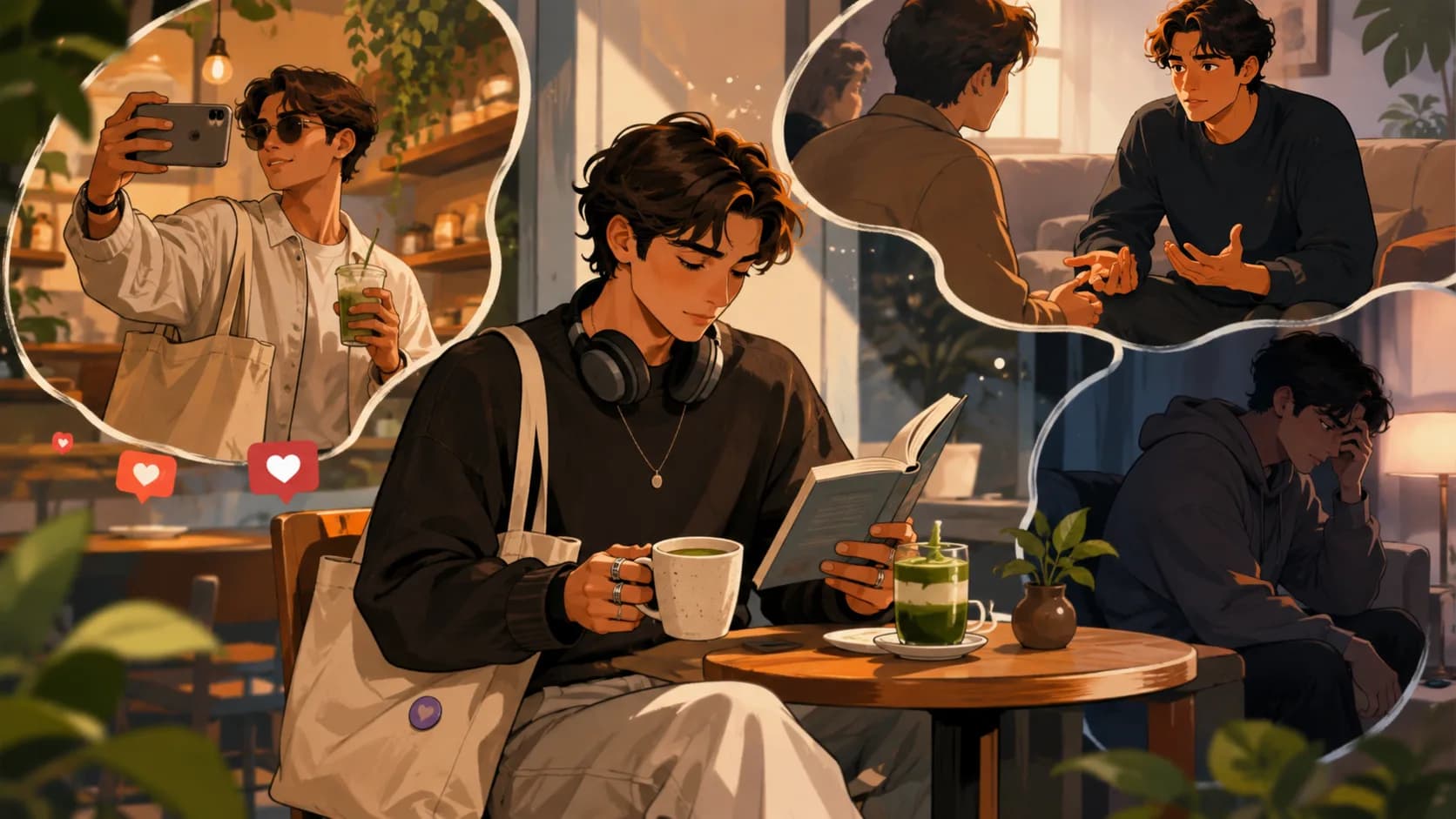
A tote bag, a paperback, wired headphones and a matcha on the table. Put them together and the internet may quickly decide what kind of man is sitting across the café. The “performative male” has become a familiar social media archetype, built around an image of sensitivity, culture and emotional openness.
But beneath the memes is a more serious question: can these visible signs of softer masculinity actually help weaken toxic masculinity, or are they simply another carefully constructed performance?
What is a performative male?
The term generally describes men who adopt an aesthetic associated with emotional awareness and progressive values. Tote bags, books by women writers, trendy drinks, indie music and conversations about therapy or healing have become part of the stereotype.

Celebrities such as Jacob Elordi, Pedro Pascal and Paul Mescal are sometimes cited as polished examples of this image. Online, however, the archetype is less about any particular man and more about the cultural signals associated with a newer version of masculinity.
Also Read | Three Loves Theory explained: The 3 relationships that shape you
When emotional openness becomes a performance
The criticism centres on authenticity. Some observers argue that displaying feminist views or talking openly about feelings does not necessarily translate into emotional availability.

A man may appear comfortable discussing vulnerability while still struggling when genuine emotional support, patience or difficult conversations are required. In that sense, the aesthetic can become a substitute for meaningful behaviour.
The distinction is important because emotional intelligence is ultimately tested away from an audience.
Can practice change masculinity?
As per a News 18 report, psychologists make a useful distinction between pretending to possess a quality and deliberately practising it. New behaviours can initially feel unfamiliar, but repeated efforts to listen, communicate and remain emotionally present can eventually become natural.

That may explain why the performative male archetype is more complicated than the meme suggests. Not every man carrying a tote or reading feminist literature is necessarily putting on an act.
Also Read | Pheromone maxxing: Why the internet wants you to skip showers
From internet meme to cultural shorthand
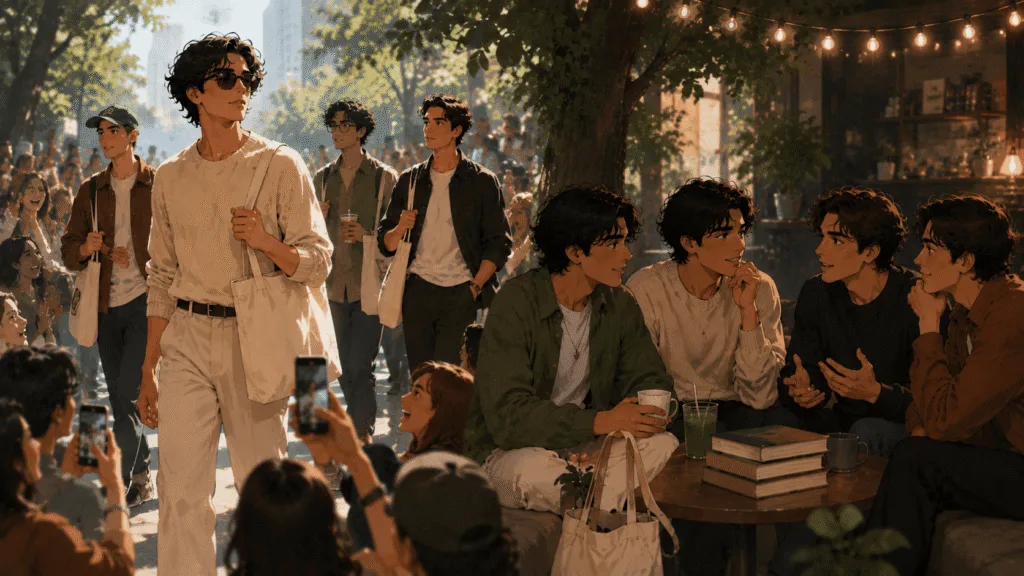
The trend has become recognisable enough to inspire look-alike contests in places including Seattle, New York and Jakarta. Their recurring accessories, books and fashion choices show how quickly an online stereotype can become a shared cultural reference.
Ultimately, the tote bag is beside the point. The more meaningful shift is whether men continue practising vulnerability when there is no audience. If softness becomes part of everyday behaviour rather than social presentation, it can contribute to a broader rethinking of masculinity.