















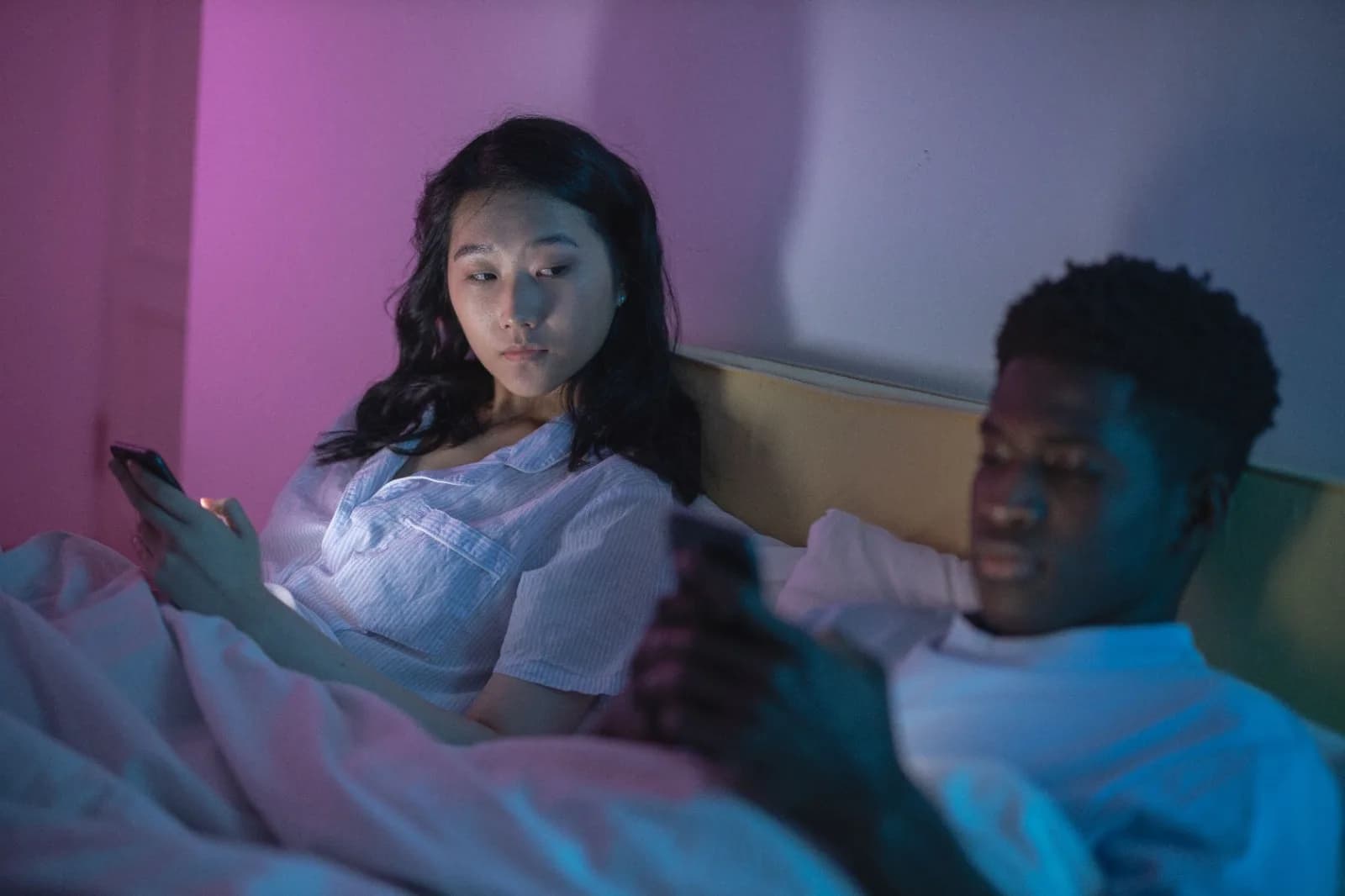
Someone’s partner liking someone else’s post. A new follower. Slow response whilst online. These commonplace events on social media are sparking a new real-life trend: digital jealousy.
Mental health professionals do not say it’s necessarily a problem with what is done online, but how it is done. In the absence of context, small digital interactions can rapidly escalate into grounds for suspicion, insecurity, and conflicts.
ALSO READ| Feeling fear during meditation? The surprising reason may not be what you think
What is digital jealousy?
Digital jealousy involves emotions of insecurity or mistrust that may be caused by the activities of one’s partner in digital space. Likes, comments, followers, direct messages, or even a presence in online space may sometimes give rise to suspicions which may have nothing to do with reality.
While social networks provide users with access to any information about their partners’ activities at any time, they seldom provide a context in which this information should be seen. Thus, people often make up stories to explain what may happen to them, especially those who are already having trust or insecurity issues.
When does digital jealousy become unhealthy?
Occasional curiosity about a partner’s online presence is normal. However, experts say it becomes unhealthy when checking social media turns into a habit that affects emotional well-being or replaces honest communication.
Some common signs include:
Constantly checking your partner’s followers, likes or comments
Feeling anxious when they are online but don’t respond immediately
Reading too much into emojis, reactions or old interactions
Frequently asking for passwords, phone access or live location
Scrolling through social media looking for proof of dishonesty
Comparing your relationship with what you see online
Letting online activity become a regular source of arguments
Experts caution that while monitoring a partner may offer temporary reassurance, it often increases anxiety over time and creates a cycle of repeated checking.
ALSO READ| Kolkata food guide: Hilsa festival and Sawan vegetarian specials to try this August
Can couples overcome digital jealousy?
Experts agree that the answer is found in building trust, not surveillance.
It may be helpful to discuss boundaries, expectations and social media use to eliminate confusion. On the other hand, acknowledging one’s own insecurity and getting used to uncertainty are equally crucial steps.
Successful relationships are built on communication, mutual respect and trust, not continuous surveillance of online actions. Social media allows looking into people’s lives but does not provide any answers regarding intentions, emotions or relationship strength.