








![‘Possibly [be] needed in 90-120 days’: Why is the US checking Cuba readiness?](/_next/image?url=https%3A%2F%2Fd243y9xj05uh4.cloudfront.net%2Fwp-content%2Fuploads%2Fbengalinsight%2F2026%2F09%2F28034806%2FHTO03ZcXgAEX35j.webp&w=3840&q=75)






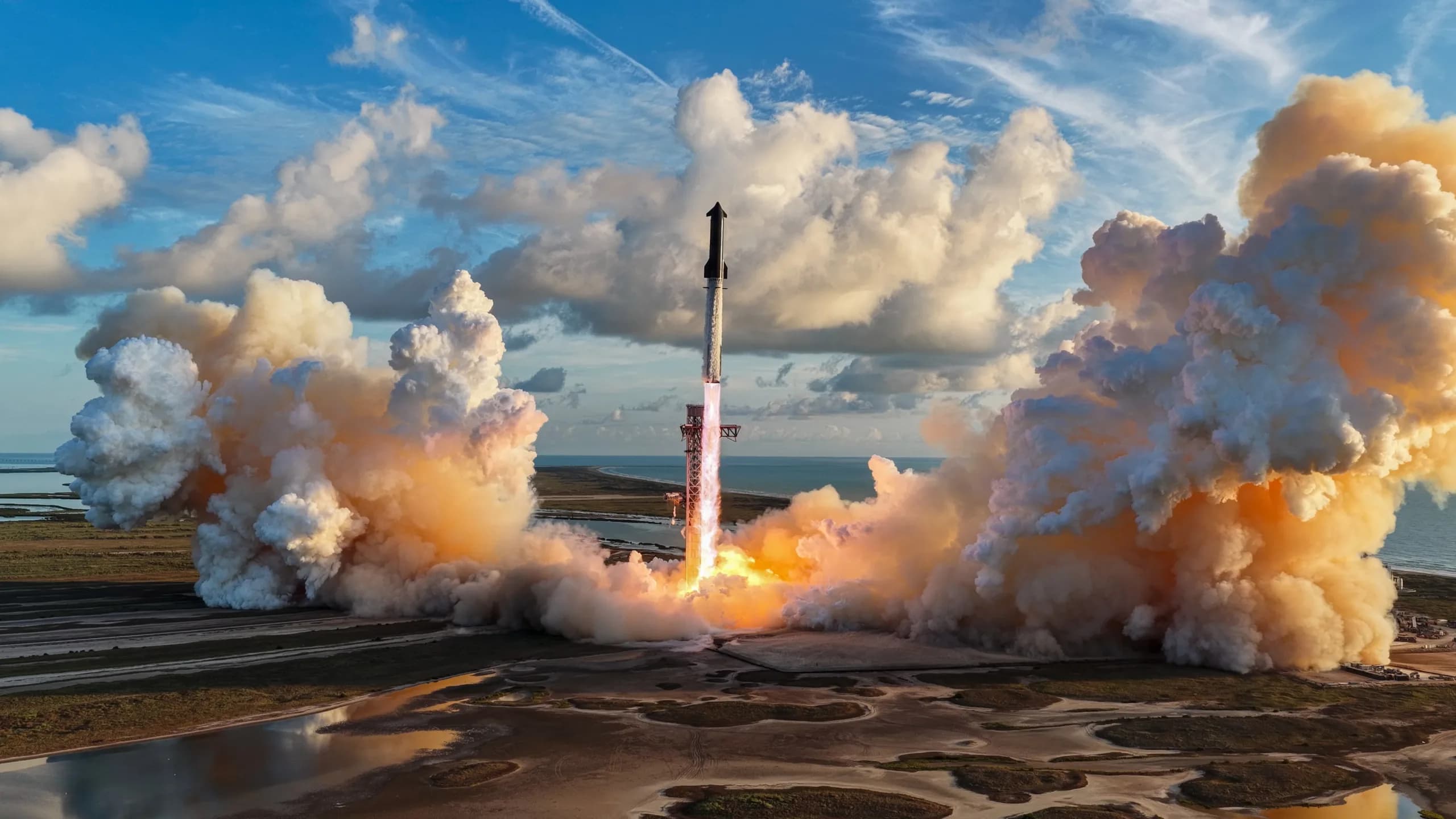
SpaceX has cleared a major hurdle. Starship reached Earth orbit for the first time on September 28 and deployed 26 Starlink V3 satellites, turning a long-running rocket test into a mission with a direct commercial purpose.
The result was important for Starlink because SpaceX wants Starship to become the main vehicle for putting larger, higher-capacity satellites into orbit.
Yet the market reaction remained muted. SpaceX shares were up 0.3% in overnight trading ahead of the launch, while Reuters reported that the stock was down about 1% on Monday after the mission.
Liftoff of Starship! pic.twitter.com/40D8bXSkr2
— SpaceX (@SpaceX) September 28, 2026
Also Read | At 18, Christa Pike took a life; now age and trauma shape her appeal
Starship opens the door to a roomier Starlink network
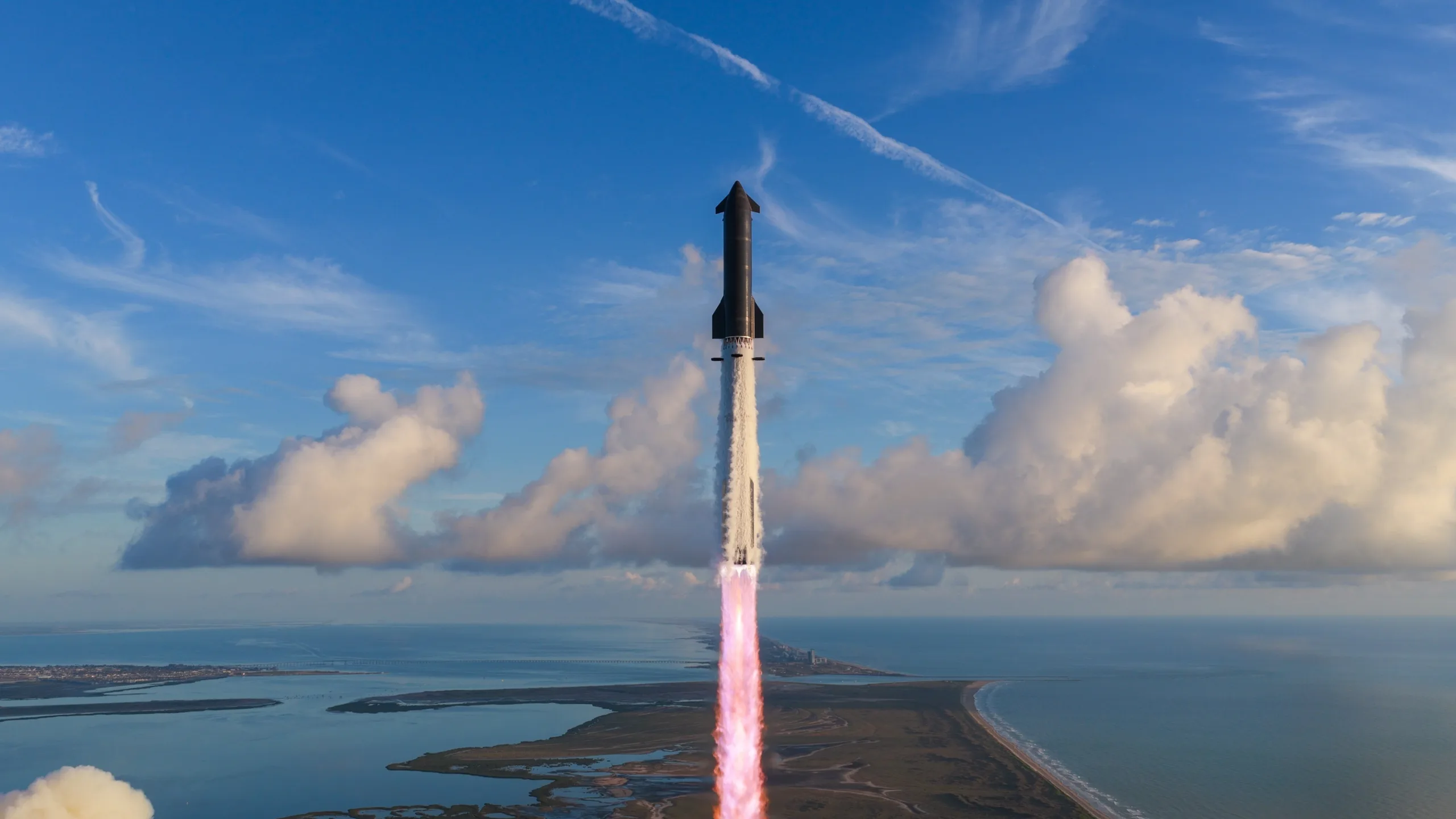
The reason Starship matters to Starlink is simple. Bigger satellites mean more network capacity in each launch.
SpaceX says a Starlink V3 satellite is designed for 1 Tbps of downlink capacity and 160 Gbps of uplink capacity. Its downlink figure is about 10 times that of the previous V2 generation.
SpaceX’s own IPO documents also say Starship is expected to carry as many as 60 V3 satellites in a single launch, potentially putting more than 20 times the downlink capacity into orbit compared with a Falcon 9 launch.
In practical terms, that could let Starlink add capacity faster as its customer base grows.
From concept to reality.@SpaceX has successfully deployed Starlink V3 satellites into Earth’s orbit and made contact with them for the first time.
— Nic Cruz Patane (@niccruzpatane) September 28, 2026
At scale, one Starship carries 60 V3 satellites, the same network capacity as about 20 Falcon 9 launches. pic.twitter.com/ZmZN9vZ0fs
The cost equation
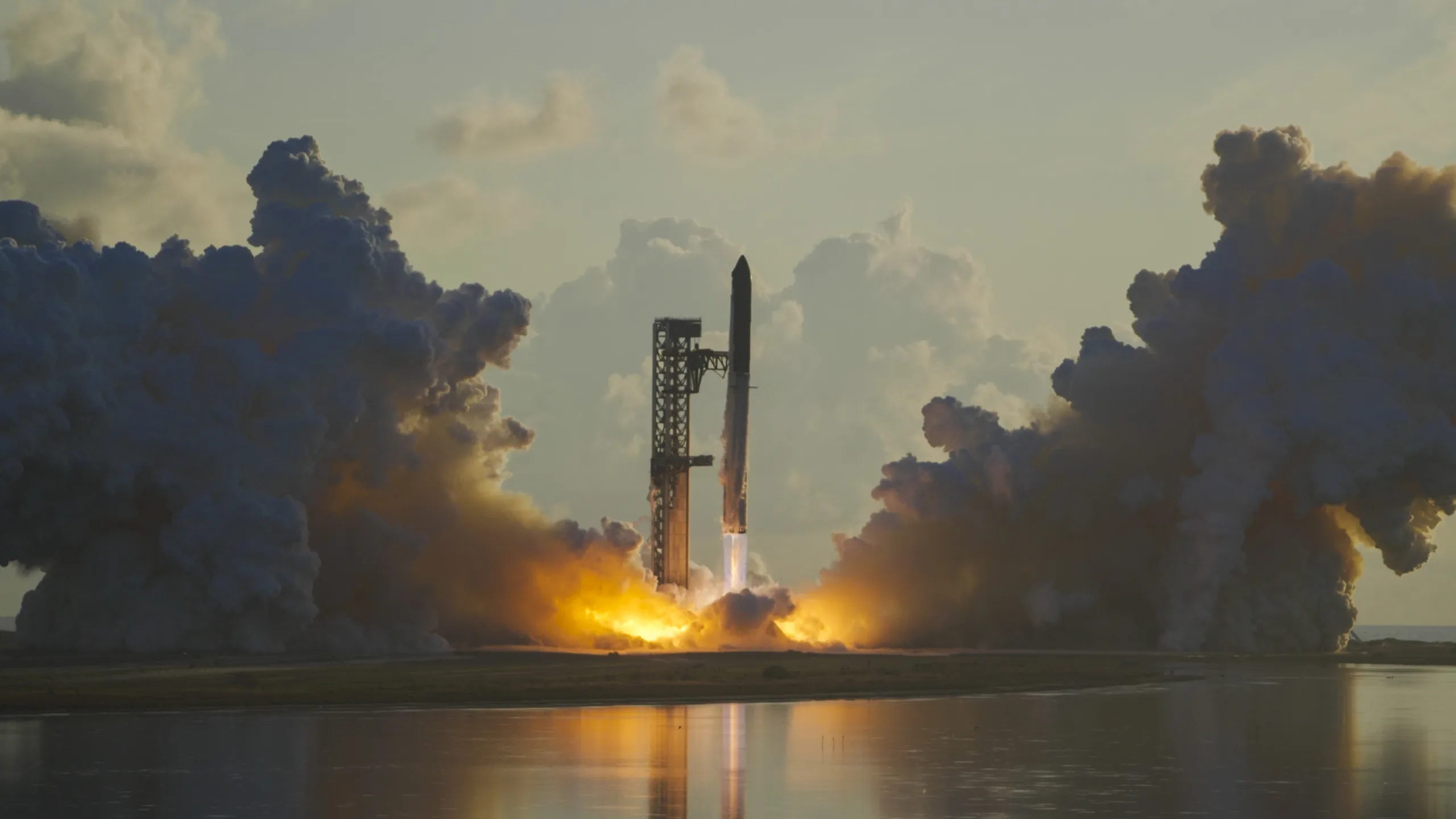
That is where the cost argument comes in. Before Flight 14, Aaron Burnett, founder and CEO of space-focused research firm Mach33, estimated that the 26-satellite payload represented roughly 26 Tbps of network capacity.
Using his assumed Starship launch cost, he put the cost at about $9.8 million per Tbps for the mission, close to his estimate for Falcon 9.
Burnett expects that number to fall sharply as Starship begins carrying fuller payloads, achieves faster reuse, and benefits from manufacturing improvements.
His forecast is that the cost of launching each unit of Starlink capacity could fall 16-fold by 2028. That is a projection based on future improvements, not a demonstrated cost reduction today.
Views from of one of the first 26 Starlink V3 satellites successfully deployed to orbit by Starship
— Starlink (@Starlink) September 28, 2026
Thanks for the ride, @SpaceX! pic.twitter.com/B2SSUA0N0q
A triumph

Flight 14 also showed why investors are watching the rocket beyond the headline achievement.
One of Starship’s three main engines shut down early after reaching space, briefly putting the planned orbital mission in doubt.
SpaceX later confirmed that the vehicle could continue, and it successfully reached orbit and deployed all 26 satellites.
The mission was then cut short by seven hours, ending after about three hours instead of the planned 10. SpaceX said the satellites were operating nominally.
CFO Bret Johnsen had described Flight 14 as Starship’s first “revenue-generating flight” and called the rocket “core to the rest of our business.”
SpaceX's Starship rocket just performed a flip maneuver and splashed down on target in the Pacific Ocean. Seems like tower catch could be a go for flight 15. pic.twitter.com/LrkvxLGkeB
— Sawyer Merritt (@SawyerMerritt) September 28, 2026
Also Read | ‘Possibly [be] needed in 90-120 days’: Why is the US checking Cuba readiness?
Orbital success is one thing; repeatability is another
The significance of Flight 14 goes beyond one successful launch. Starship has now demonstrated orbital flight and its first operational satellite deployment, but SpaceX still needs to prove that the system can fly frequently, reuse hardware quickly, and reduce launch costs at scale.
Musk has said Starship is “2 to 3 years away from hourly flights.”
Timetable matters for Starlink because the economics of adding large amounts of new capacity will depend not only on how much each V3 satellite can deliver but also on how cheaply and regularly Starship can put them into orbit.
Maybe we're going to see the last splashdown of Starship 14 in the ocean
— Napoleon Bonaparte (@Napoleon__Bon) September 28, 2026
SpaceX is planning to catch Starship during the Starship 15 launch https://t.co/5a88CnWn8Q pic.twitter.com/XCszCoAFtt