
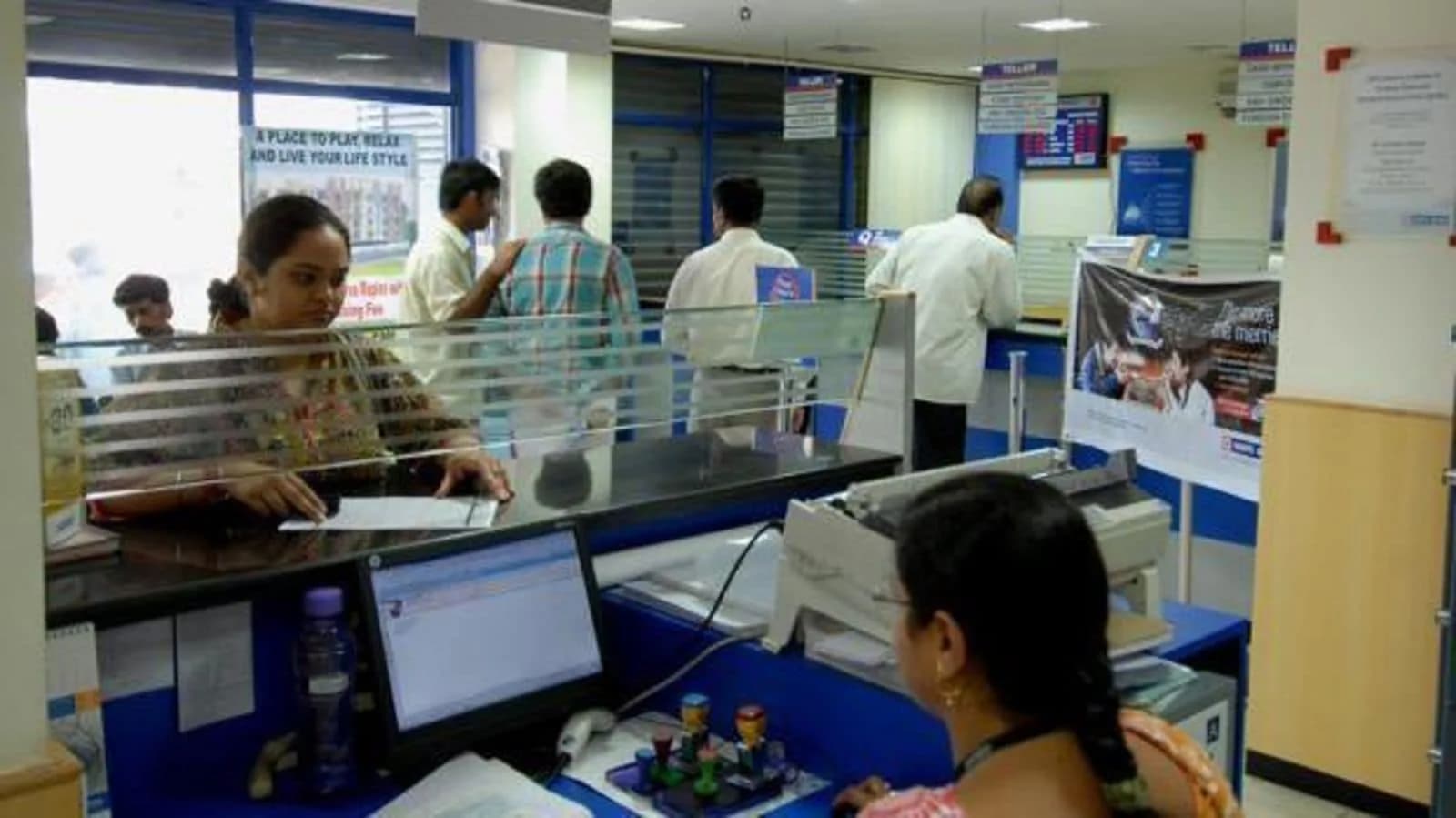








The proposed three-day bank strike from September 28 to 30 has been deferred after the United Forum of Bank Unions (UFBU) reached an agreement with the Indian Banks’ Association (IBA) following talks on Sunday night. As a result, bank branches are expected to function normally on Monday, avoiding a disruption that could have coincided with the half-yearly closing of accounts.
The bank strike was called by unions primarily over their demand for a five-day banking week, with all Saturdays declared holidays. The IBA has now agreed to set up a high-level joint committee to examine the demand and consider possible alternatives. The committee will also consult stakeholders, including customers, before arriving at its recommendations.
The development means customers will not face the widespread branch closures that had been expected during the three-day bank strike. However, the broader dispute over working days and Saturday holidays remains unresolved.
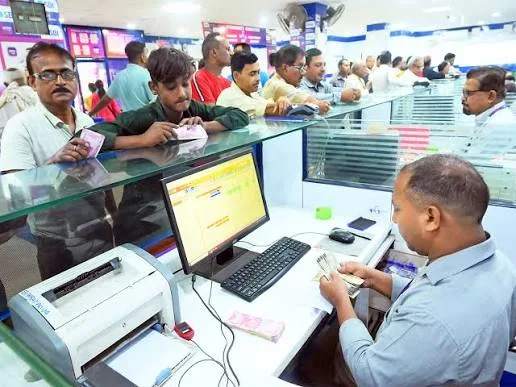
Bank strike deferred after agreement with IBA
The bank strike was withdrawn after the IBA agreed to immediately constitute a high-level committee to examine the unions’ demand. The UFBU subsequently announced that its other planned agitation would also be deferred.
At present, banks remain closed on the second and fourth Saturdays of every month, while branches operate on the remaining Saturdays. The unions have been seeking a change to this arrangement as part of their demand for a five-day banking week.
The committee will examine the possibility of declaring the remaining Saturdays as holidays and will also look at alternative arrangements. Its discussions are expected to include consultations with customers and other stakeholders who could be affected by any change in banking schedules.
However, the agreement does not mean that banks will immediately move to a five-day working week. No deadline has been set for the committee to complete its examination or make a recommendation.
The decision to defer the bank strike therefore provides temporary relief for customers while leaving the central demand open for further negotiations between the unions and the banking industry.
Also Read | 4 injured as chutney dispute sparks street brawl in Hapur market
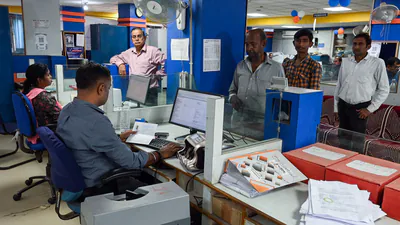
Why was the bank strike called by the unions?
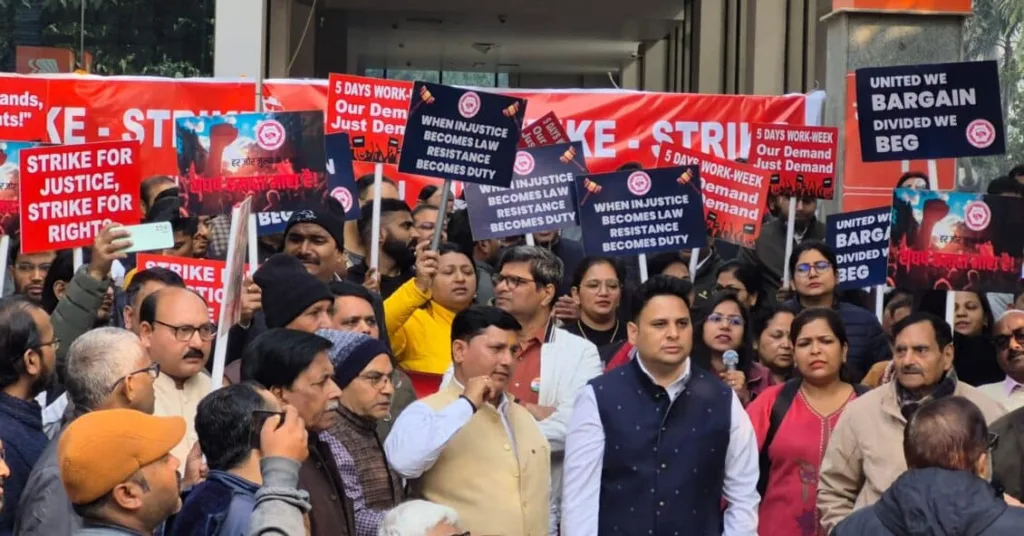
The UFBU had announced the bank strike after previous rounds of discussions failed to resolve the issue of working Saturdays. The unions have argued that employees face long working hours and that a five-day banking week would bring banking schedules in line with those followed by several other sectors.
The demand for five-day banking has been under discussion for more than two years, according to the unions. Their proposed agitation had included the September 28 to 30 bank strike, followed by a possible indefinite strike from October 26 if their demands remained unresolved.
Government sources, however, have maintained that a five-day banking week was neither agreed upon nor included in earlier wage negotiations. This has been one of the key points of disagreement between the government and bank employee organisations.
Sunday’s agreement does not set a fresh date for the deferred bank strike. Instead, both sides will continue discussions through the newly proposed committee.
The two sides have also agreed to discuss a performance-linked incentive scheme for officers in Scale IV and above. The IBA will propose changes to the existing government scheme in an attempt to address objections raised by the unions.
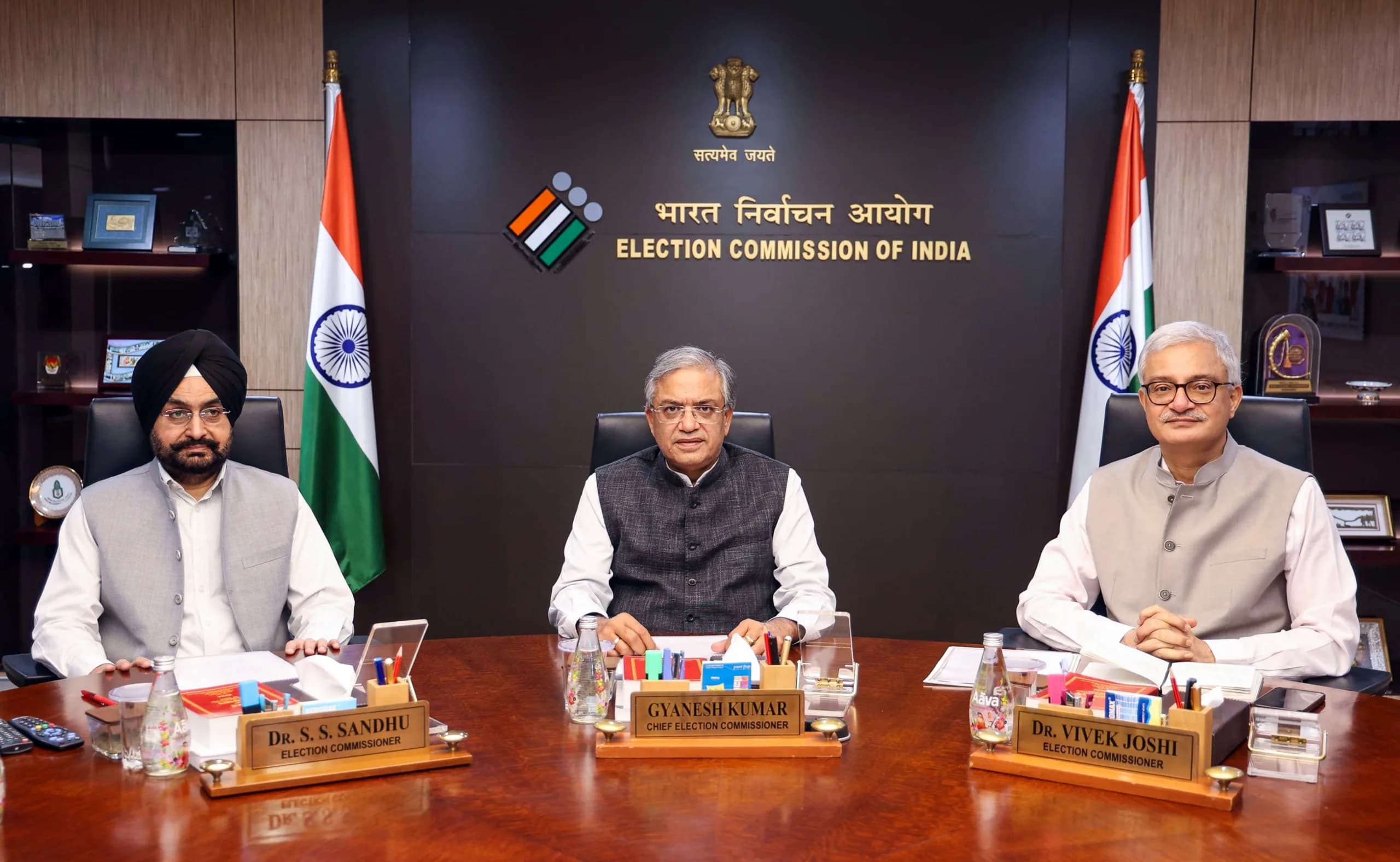
Also Read | What happens if Gyanesh Kumar resigns as Chief Election Commissioner?
What does a bank strike deferment mean for customers?
For bank customers, the immediate impact of the decision is that branches are expected to remain open as usual on Monday, September 28. The proposed bank strike would otherwise have affected services for three consecutive days.
The timing had raised particular concerns because September marks the half-yearly closing period for banks. The Finance Ministry had warned that a three-day bank strike could affect several customer services and financial transactions.
Public sector banks and Regional Rural Banks were also asked to open on Sunday, September 27, providing customers with an additional opportunity to complete branch-related transactions before the planned strike.
With the bank strike now deferred, customers are not expected to face the disruption that had been anticipated for September 28 to 30. However, digital banking services, ATMs and other electronic facilities would have continued to operate subject to normal technical availability even during a branch strike.
The immediate disruption has therefore been avoided, but the question of whether all Saturdays should become bank holidays remains open. The committee will examine the proposal and possible alternatives before further decisions are taken.
For now, the deferred bank strike marks a pause in the unions’ agitation rather than a final settlement. The five-day banking week demand, Saturday holidays and the proposed changes to performance-linked incentives will remain part of the discussions between the UFBU and the IBA.