


![‘Possibly [be] needed in 90-120 days’: Why is the US checking Cuba readiness?](/_next/image?url=https%3A%2F%2Fd243y9xj05uh4.cloudfront.net%2Fwp-content%2Fuploads%2Fbengalinsight%2F2026%2F09%2F28034806%2FHTO03ZcXgAEX35j.webp&w=3840&q=75)



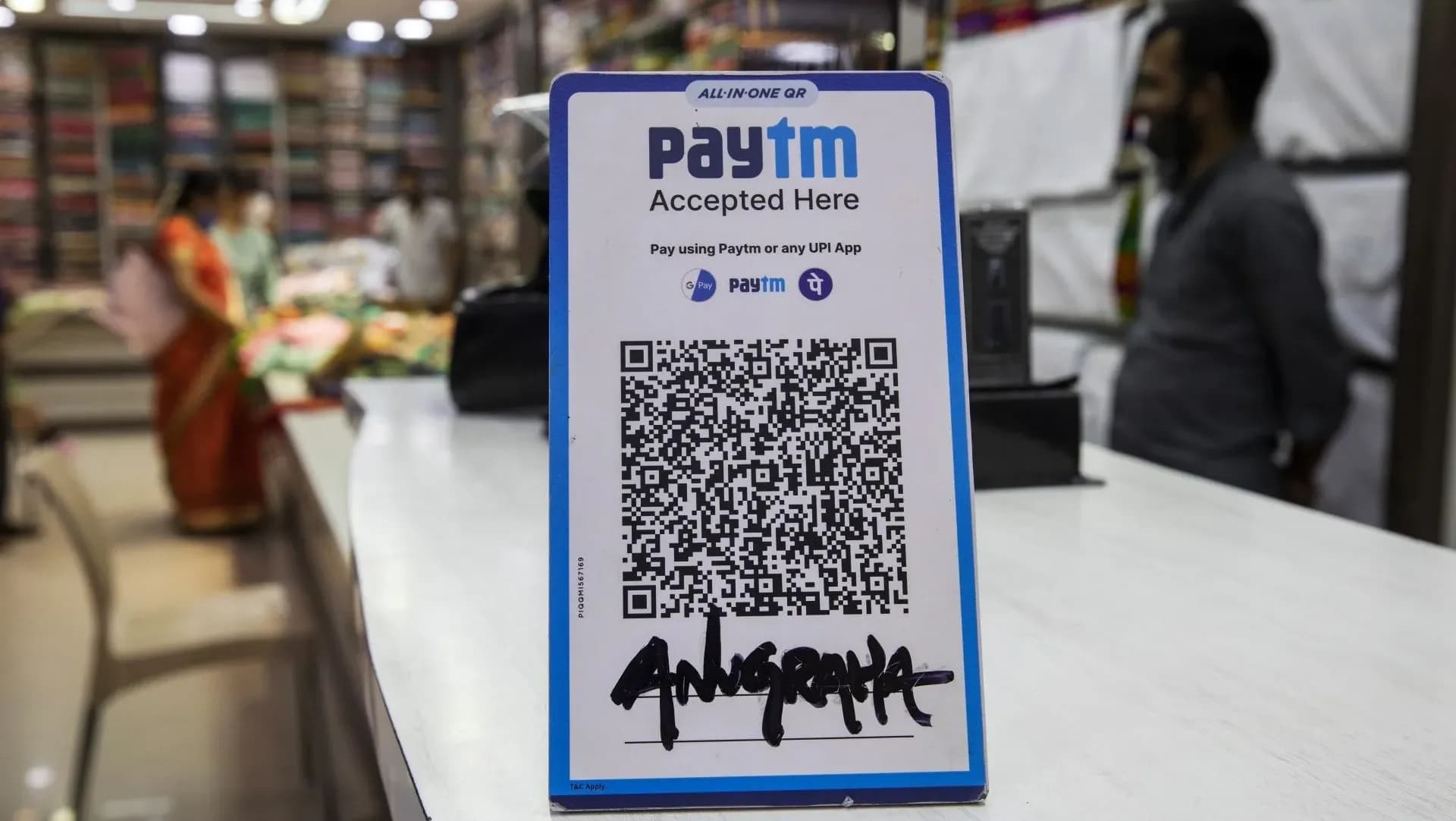
On Monday, the apex court asked the government to file its reply to a petition against the imposition of the Merchant Discount Rate (MDR) for certain UPI transactions above ₹2,000.
The arguments centered around the legality of the newly imposed fee, which is set to be effective from October 15.
Justice Surya Kant, sitting in a three-judge bench with Justices Joymalya Bagchi and V Mohana, heard a public interest litigation case filed by advocate Anjan Datta, seeking quashing of the decision of the Centre to impose MDR on certain UPI transactions.
SC raises doubts over legality of UPI MDR
The bench said that during the hearing, it wanted the Centre to clarify the source of law behind this charge.
The bench headed by Chief Justice Surya Kant said, “It is more of a technical matter and less of a legal one. You need to give us the facts through a brief affidavit.”
Also Read | 3-day bank strike deferred as panel takes up 5-day week demand
Bagchi, Justice asked, “What is the executive power to impose this charge? If it is a fee, then it cannot be imposed as per executive fiat. Then what does it become?”
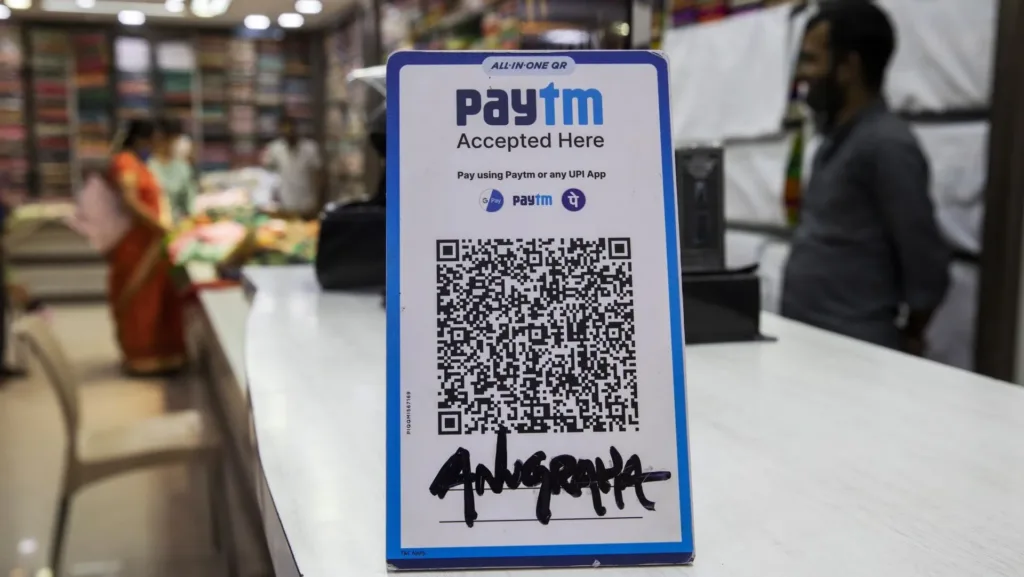
The questions were raised as part of the hearing into the petition filed against the notification issued on September 14 by the Ministry of Finance. The notification is related to the new MDR structure that will come into effect from October 15.
What is the new UPI MDR framework?
As per the new framework, an MDR of 0.4 per cent will be levied on the specified UPI payments exceeding ₹2,000 for merchants. However, for transactions that exceed ₹75,000, the maximum cap for the MDR will remain ₹300.
The new framework does not affect all UPI users in the same way. The Central Government informed the Supreme Court that 96 per cent of the individuals who use payment gateways will be exempted from the MDR of UPI payments exceeding ₹2,000.
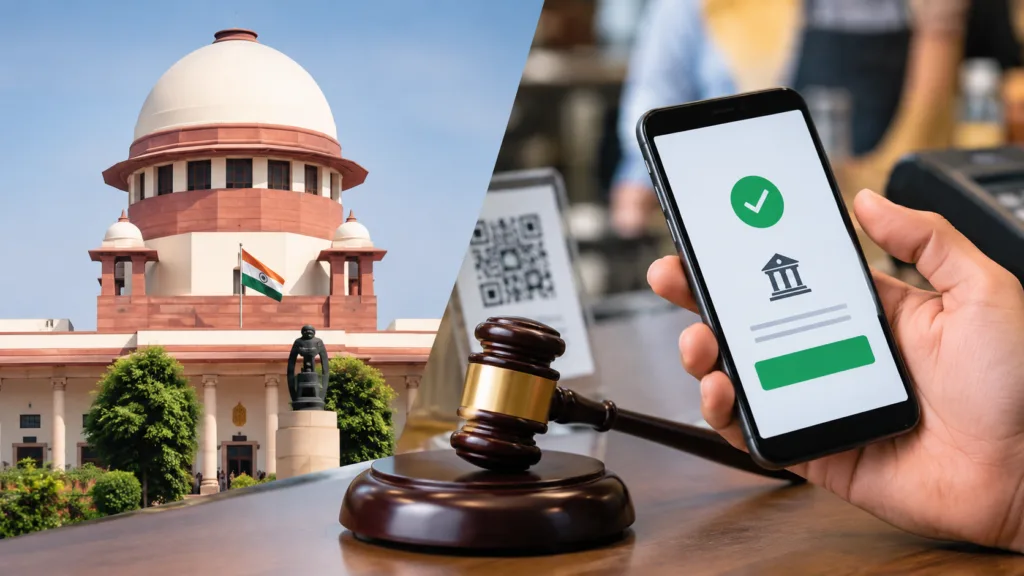
Additional Solicitor General N Venkataraman, representing the Centre, stated, “The decision is yet to come into effect on October 15. To begin with, I would like to say that 96 per cent of persons using the UPI payment gateway are exempted. Even for the remaining four per cent, essential services are capped.”
Centre tells the court how it will use MDR money
In addition to this, the Supreme Court inquired about the nature of the proposed charge and where exactly the money collected via MDR would be used.
To this, Venkataraman responded, “Not even a single rupee will go to the government. It is a settlement fee between the two parties, the bank and the service.
Also Read | 4 injured as chutney dispute sparks street brawl in Hapur market
It is said that the Supreme Court will use the Centre’s reply in order to find out which party the amount would form an “income” in the end.
Supreme Court does not stay UPI MDR decision
Though the Supreme Court sought replies from the Centre and others regarding the matter, it has not stayed the decision for imposing the MDR on specified UPI transactions above ₹2,000. The charges will continue to be imposed from October 15.
The case was filed against the Union of India, Reserve Bank of India, NPCI and the UPI & Services Steering Committee.
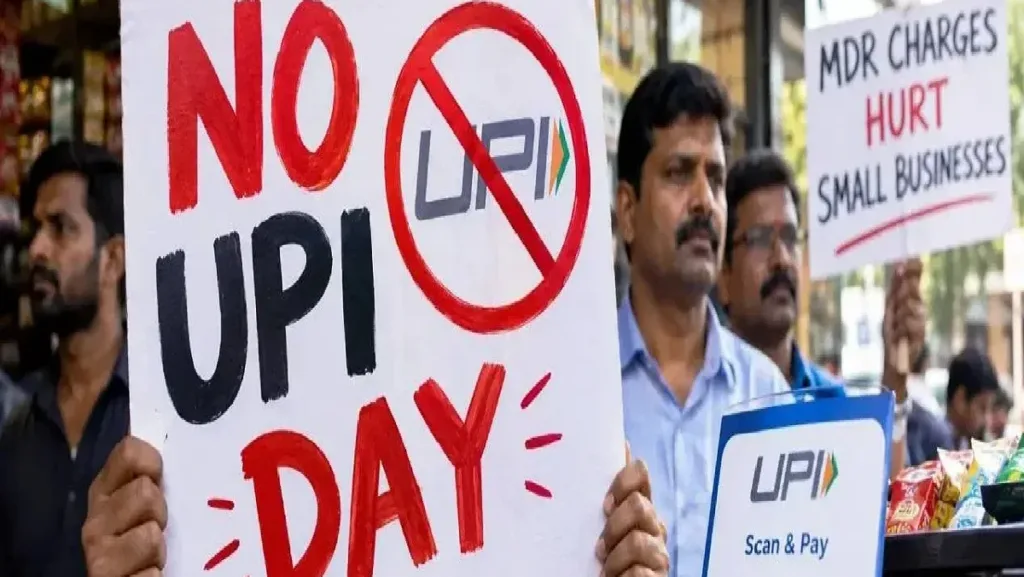
This legal challenge arises in advance of the scheduled implementation date of October 15. This petition has brought the new charges of the UPI to the Supreme Court, where the court is now seeking the response of the Centre on the legal and technical issues relating to the system.