












Saudi Arabia’s growing outreach to China is drawing attention as the kingdom faces renewed attacks from Yemen’s Iran-aligned Houthis and uncertainty over how far the United States is prepared to intervene.
The immediate concern is security. But the broader story is about how Riyadh has been steadily widening its options beyond Washington. The latest crisis has brought that strategy into sharper focus.
Also Read | Jaishankar meets Rubio in New York, raising India’s concerns over Russia sanctions
Squeeze for Riyadh
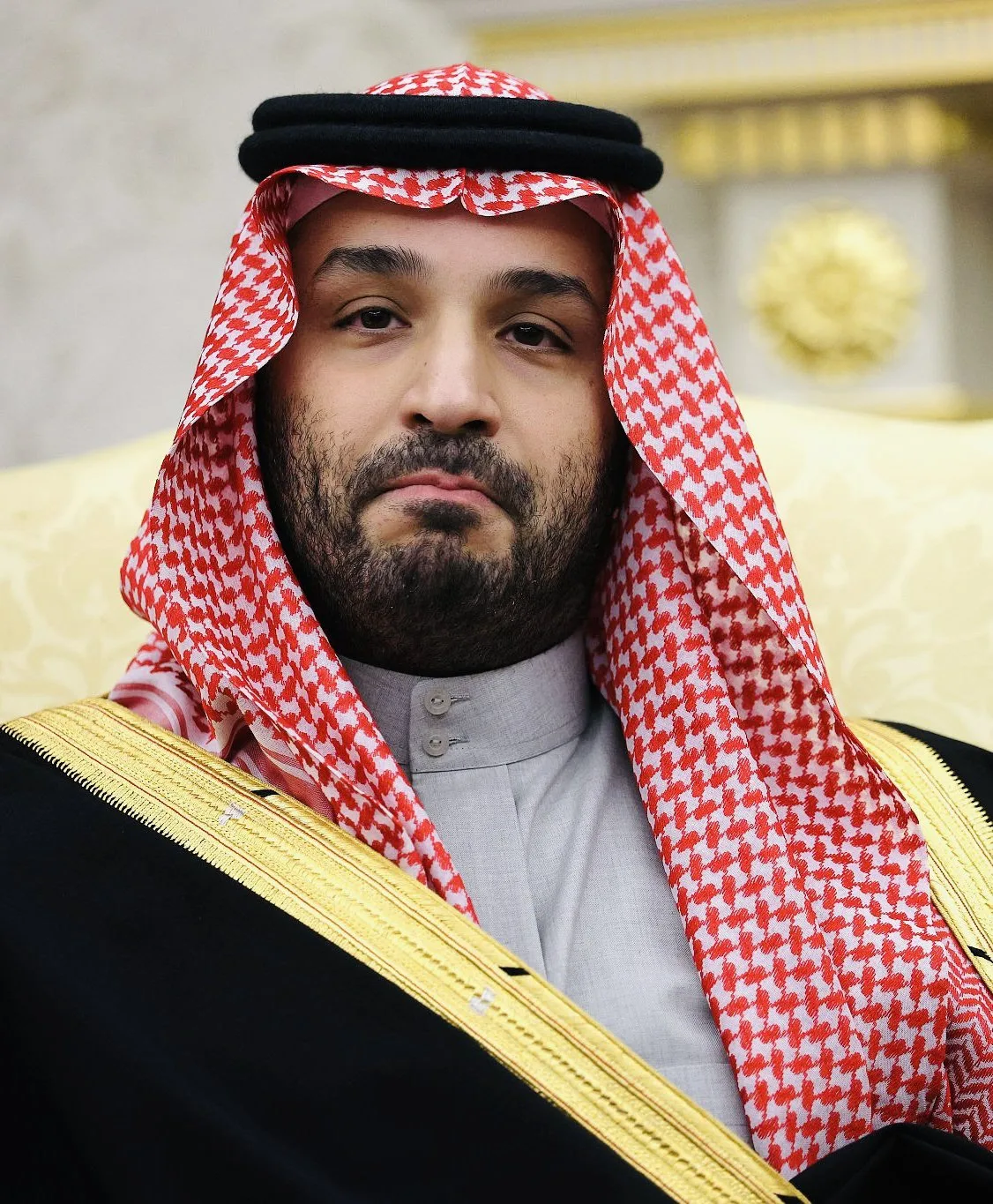
The pressure has increased because Saudi Arabia’s usual energy-export routes have come under strain. The Strait of Hormuz has been disrupted, while attacks have also threatened the kingdom’s East-West Petroline, which carries crude towards the Red Sea.
Washington refused to militarily intervene against the Houthis. On September 12, US President Donald Trump described the Houthi seizure of Yemen’s Red Sea coast as an issue that “only affects one country.”
The episode has added to concerns in Riyadh over the reliability of its traditional security relationship with the US.
Beijing has useful connections
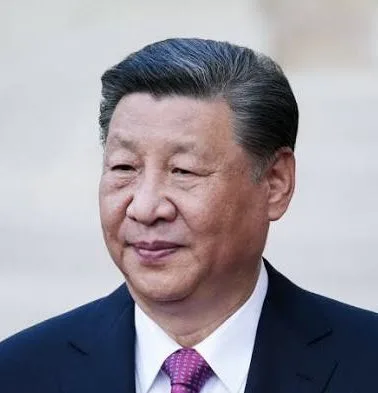
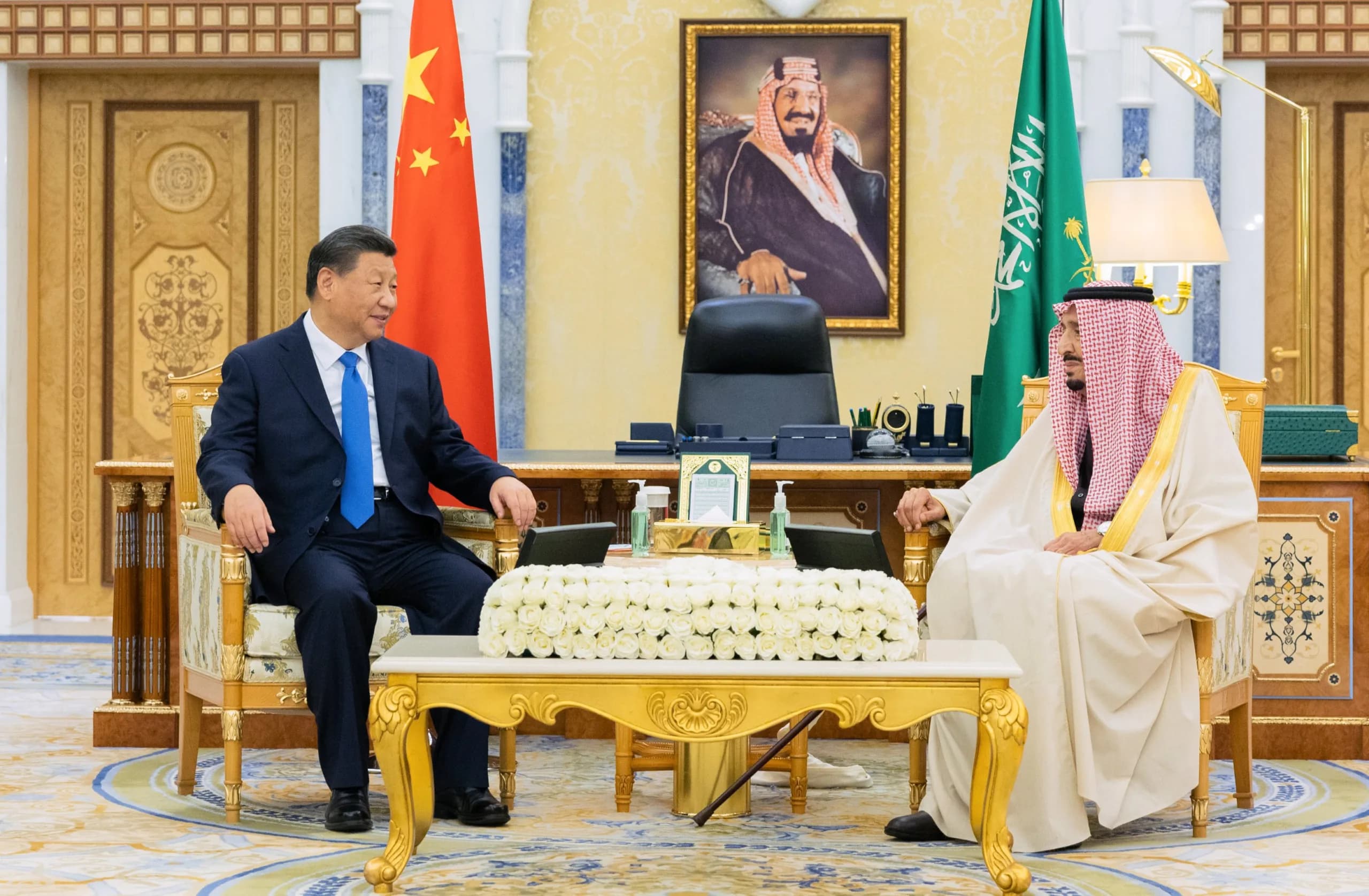
This is where China becomes important. Beijing has relationships with both Saudi Arabia and Iran, which gives it a channel that Washington does not have with Tehran.
In 2023, China hosted and sponsored talks that led Saudi Arabia and Iran to agree to restore diplomatic relations after years of hostility. That agreement reopened embassies and helped establish Beijing as a diplomatic player in a region where it has major economic interests.
Saudi Arabia has been using Ras Tanura → Oman/Sohar ship-to-ship transfers to maintain exports toward Asia while the East-West pipeline/Red Sea route has been disrupted. Reuters reports that the key buyers of these Saudi barrels include China, South Korea, India and Japan. pic.twitter.com/kBwV90tRIZ
— Rufas Kamau ⚡ (@RufasKe) September 22, 2026
A relationship built over years
China’s influence in Saudi Arabia, meanwhile, is not new. The two countries have spent years expanding cooperation in energy, infrastructure, technology, and investment.
Carnegie Endowment research shows that the relationship accelerated after Saudi Arabia launched Vision 2030 in 2016, with Beijing aligning parts of its Belt and Road Initiative with Riyadh’s economic diversification plans.
Between 2005 and June 2024, Chinese infrastructure projects in Saudi Arabia were valued at about $53.85 billion, according to the Carnegie analysis.
Official Chinese data also puts bilateral trade at $107.53 billion in 2024.
Saudi Arabia never bets entirely on either the US dollar or RMB.Its strategy is to keep multiple cards in hand.
— Boden | China Views (@BodenViews) September 20, 2026
The Houthi issue pushes Saudi to lean closer to the US for security.
Simply put,maintaining good ties with China while not alienating the US serves Saudi interests best https://t.co/Du6XUgBBcK
More than oil at stake
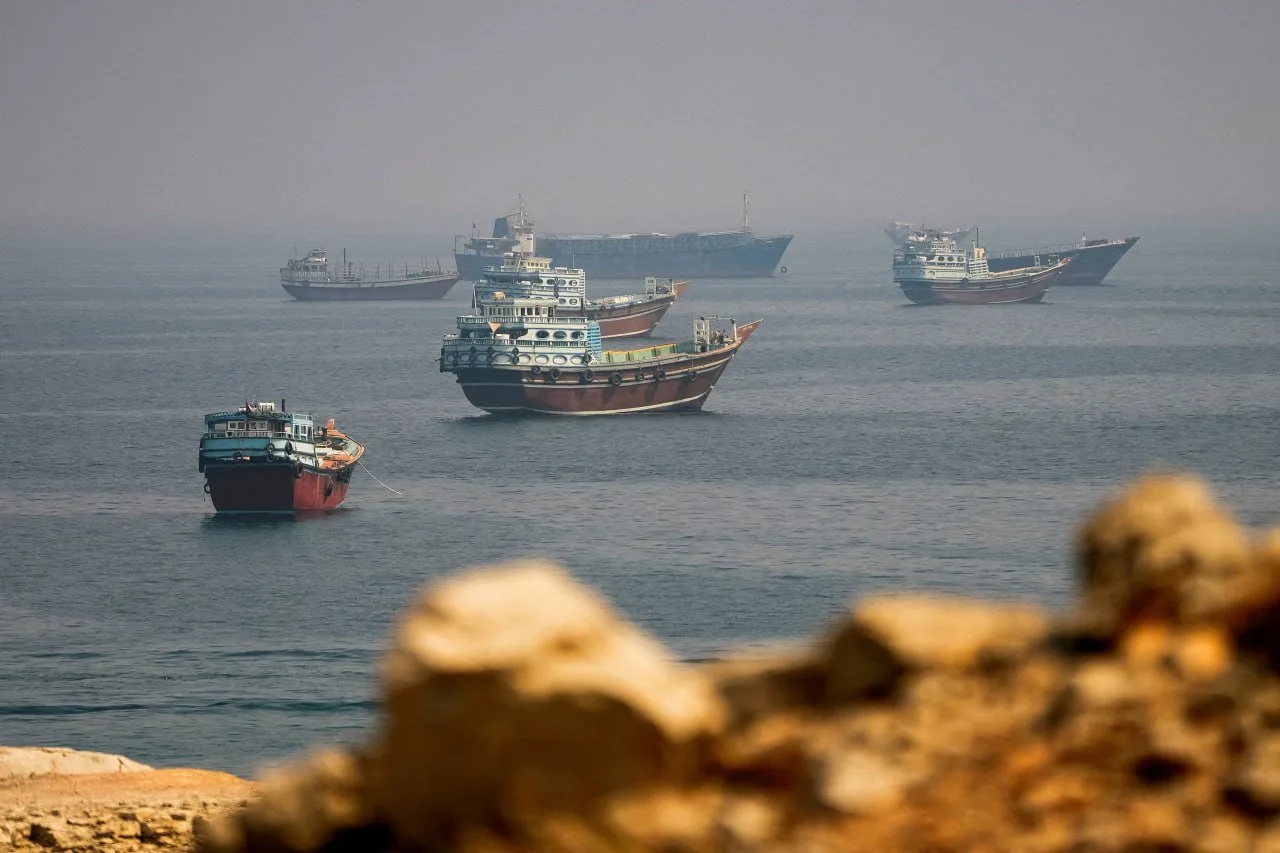
There is also a strategic calculation behind the economic relationship. China is a major buyer of Saudi crude and has interests in the kingdom’s infrastructure and energy projects.
Saudi Arabia, in turn, wants investment, technology, and markets as it tries to reduce its dependence on oil.
Chinese companies have participated in projects ranging from renewable energy to manufacturing and digital infrastructure under the Vision 2030 framework.
That gives the relationship a practical foundation beyond diplomatic symbolism.
Influence without boots
The current Red Sea crisis adds another layer. Saudi Arabia wants the Houthis contained, but China is unlikely to respond with direct military intervention.
Its possible leverage lies instead in its relationship with Iran.
A Chinese Foreign Ministry statement said, “China does not wish to see regional tensions further spill over into Yemen and the Red Sea.”
Beijing has pressed Tehran to restrain the Houthis, although such efforts should not be confused with a Chinese security guarantee for Saudi Arabia.
NEW: Yemeni government-aligned forces repelled a Houthi advance on September 23 that sought to sever the primary ground line of communication (GLOC) that connects Taiz City and Aden City. Houthi control over the Taiz-Aden GLOC would effectively represent an encirclement of Yemeni… pic.twitter.com/vNN8ayxffu
— Institute for the Study of War (@TheStudyofWar) September 25, 2026
Saudi’s room
Saudi Arabia’s “China turn” is less about choosing Beijing over Washington and more about reducing dependence on a single power.
The kingdom is expanding economic, diplomatic, and defense relationships with China while continuing to maintain deep ties with the US.
The latest crisis has simply exposed why that diversification matters to Riyadh. When security threats spread across the Gulf and Red Sea, having several powerful partners gives Saudi Arabia more diplomatic channels and strategic options.
Also Read | No rain, no flowers — until El Niño: Why Atacama is suddenly blooming