
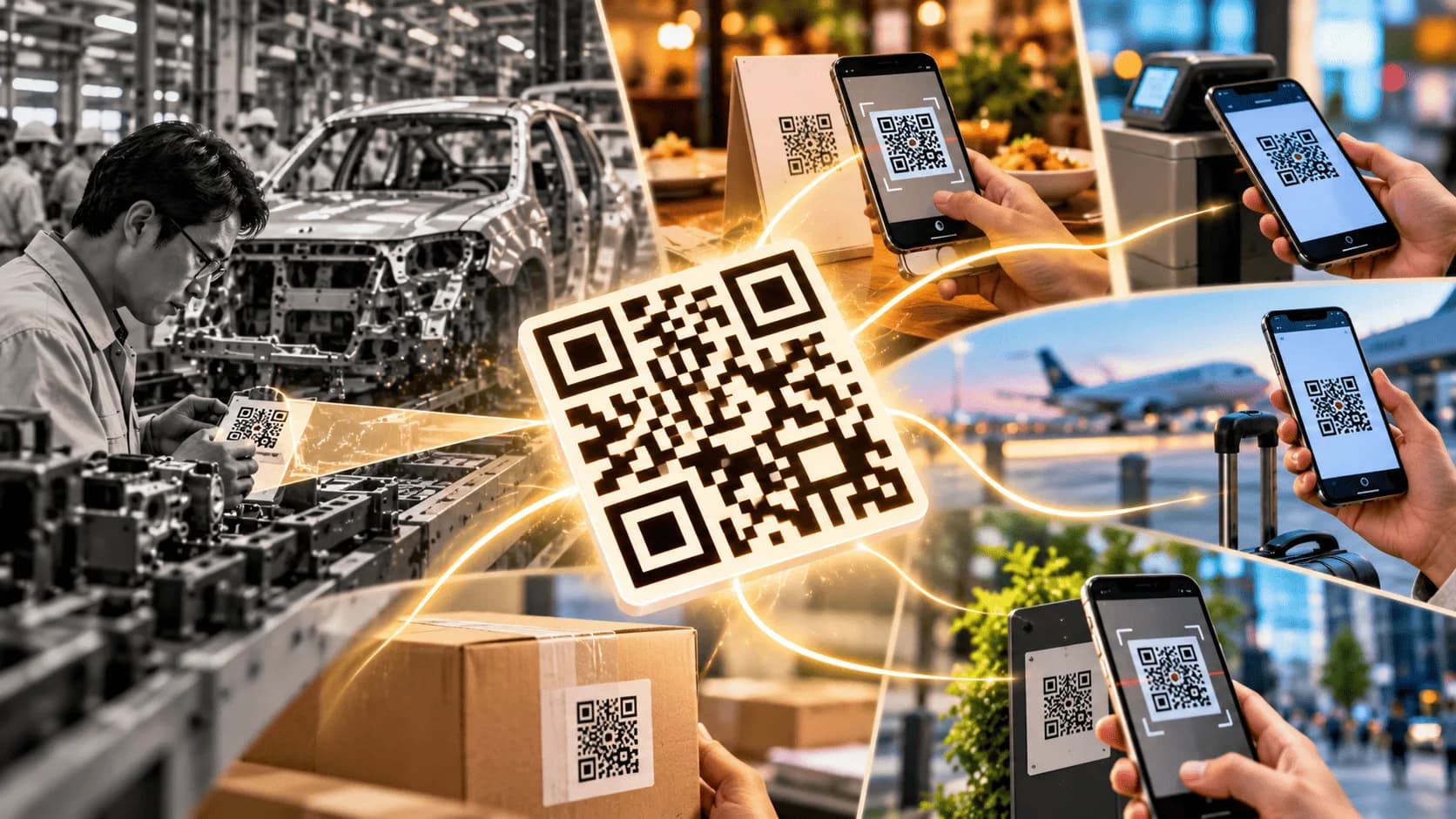














Today, QR codes have become part of everyday life. A quick scan can open a restaurant menu, complete a digital payment, access a ticket or provide product information. But the technology behind those familiar black-and-white squares was originally developed for a very different reason.
QR codes were created in Japan in 1994 by Denso Wave, a company associated with Toyota. Their first major purpose was to help automobile factories keep track of the large number of parts used during vehicle production.
Why were QR codes invented?
Before QR codes came along, factories relied on traditional barcodes to identify and track components. The problem was that conventional barcodes could hold only a limited amount of information.
Also Read | No rain, no flowers — until El Niño: Why Atacama is suddenly blooming
As the number of parts increased, workers sometimes had to place several barcodes on a single component. Each code had to be scanned separately, making the process slower and less convenient.
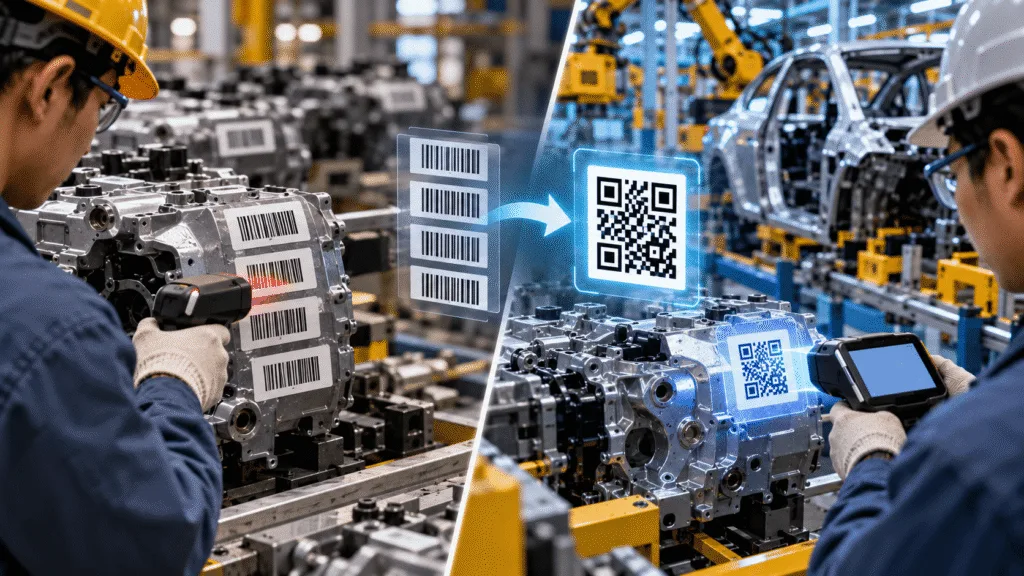
Masahiro Hara and his team at Denso Wave worked on a way to overcome this limitation. Their solution was a two-dimensional code that could contain considerably more information while also being read quickly.
The result was the QR code, short for Quick Response code. Its design made it possible to scan information rapidly, which was particularly useful in the fast-moving environment of automobile manufacturing.
What do the three squares mean?
The three prominent squares placed at the corners of a QR code have an important function. They help scanning devices recognise the code and determine its orientation.
Also Read | Planning a Malaysia Trip? Indians can go visa-free, but jobs are different
This allows a QR code to be read from different angles, making scanning easier in situations where the code may not be perfectly positioned.
How QR Codes became popular
Another factor helped QR technology move beyond automobile factories. Denso Wave decided not to enforce its patent rights, allowing businesses and developers to use the technology without paying licensing fees.
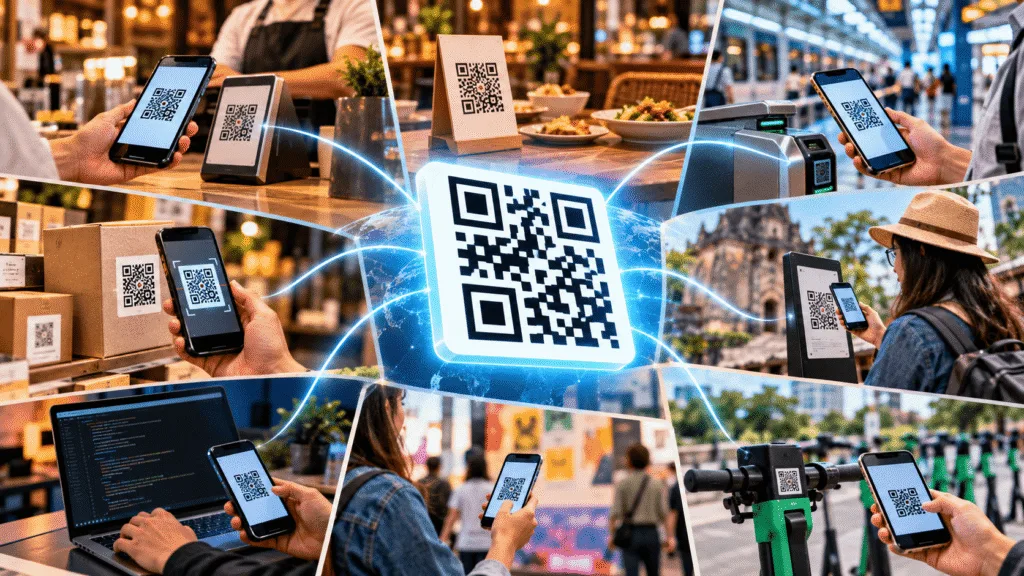
Over time, QR codes found applications far beyond manufacturing. They are now used for digital payments, restaurant menus, tickets, product labels and quick access to information.
A QR code can store more than 7,000 characters and can be scanned quickly using a smartphone. What began as a factory solution for tracking car parts has therefore become a familiar part of everyday digital life.