












India is home to one of the world’s oldest and most diverse religious traditions, But here’s the surprising fact about Indians that they know little about Islamic stories, prophets and mythology.
What does “Islamic mythology” mean?
Experts explains that the word “mythology” is often misunderstood. In modern academic studies, mythology does not mean a false story. Instead, it refers to the collection of sacred stories,traditions, symbols and beliefs that creates a community’s worldview and identity. By that definition, Hinduism, Islam, Christianity, Judaism, Greek religion and Norse traditions all have mythologies.
The older idea that mythology means fiction comes largely from 19th-century European thinking, where some religions were considered “true” while others were labelled myths. Contemporary religious studies use the term differently.
Why should Hindus learn Islamic stories?
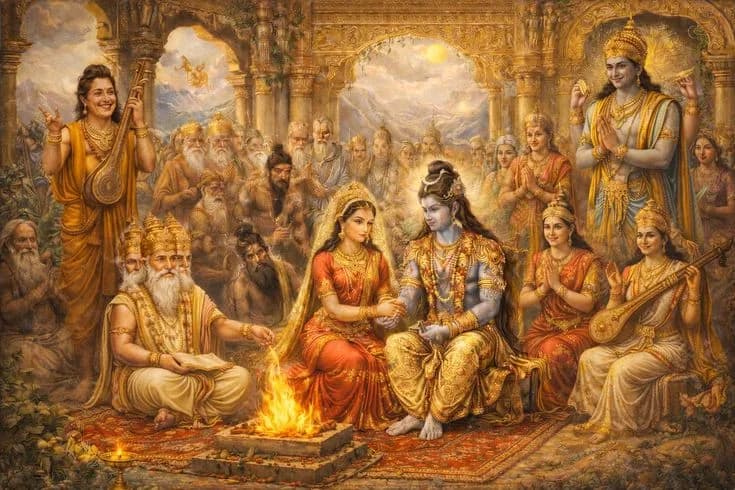
Indians grow up hearing the Ramayana, Mahabharata and many Puranic tales. Many also become familiar with Biblical stories through schools, literature and films. However, stories from the Quran, Hadith and the lives of Islamic prophets remain unfamiliar to a large section of Indians.
Also Read | Narad Muni the first cosmic journalist of Hindu mythology with 11 lesser-known facts
He believes reading Islamic mythology helps people understand a worldview that has existed in India for nearly 1,400 years and has influenced the country’s culture, language, art and law.
Similarities between Hindu and Islamic mythology
Stories of rivalry between brothers, conflicts over inheritance and moral choices appear in Hindu mythology through characters described in the ancient mythology texts such as Ramayana and Mahabharata. Islamic traditions similarly include stories of Qabil and Habil (Cain and Abel), Ishmael and Isaac, and Jacob and Esau.
Expert argues that these parallels show that while religions differ in theology, many myths reflect common human experiences such as family conflict, justice, loyalty and faith.
A broader message about understanding religions
The myths act as the “social glue” that helps communities make sense of the world and build shared identities. Reading Islamic mythology, is not about accepting another religion’s beliefs but about understanding how another community thinks, remembers its past and imagines its relationship with the divine.
Also Read | Who was Mata Karma? The forgotten Krishna devotee