


The Bharatiya Janata Party’s expenditure statements filed with the Election Commission for the 2026 West Bengal Assembly elections have brought payments to several YouTubers and social media personalities into focus.
According to an analysis of the filings, the BJP spent ₹286.99 crore during the West Bengal polls. The documents show that ₹55.76 crore was paid to 36 social media personalities by the party’s central unit in New Delhi between March 15 and May 6.
The payments were made for content and advertising-related activities during the election period. The Election Commission had required political parties to submit details of expenditure on internet and social media campaigning, including content development and related operational costs.
Sayak Chakraborty Received ₹2.5 Lakh
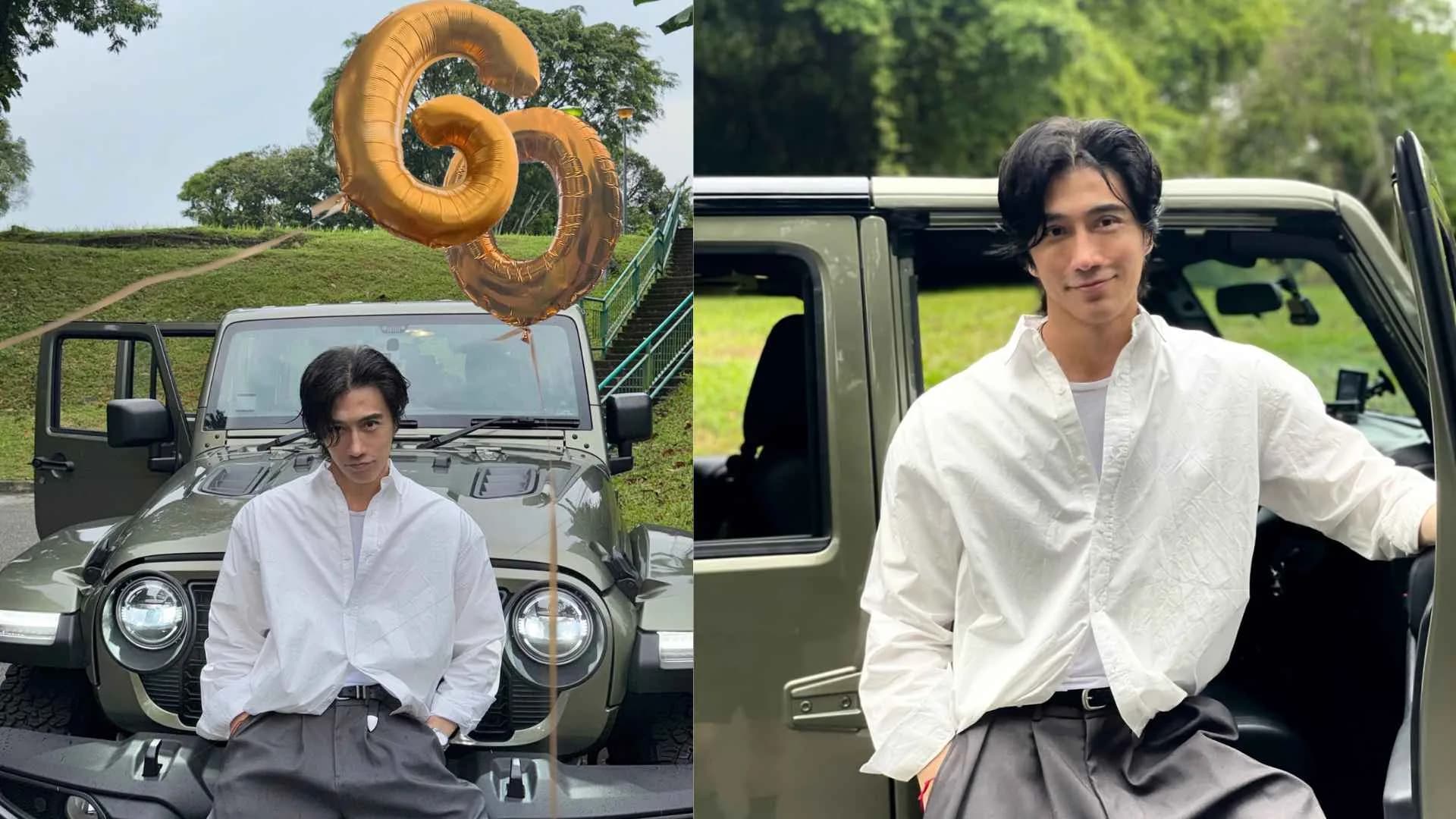
Actor and YouTuber Sayak Chakraborty was listed as receiving ₹2.5 lakh from the BJP for content linked to “general party propaganda”.
Chakraborty had made headlines in January after an altercation at a restaurant in Kolkata’s Park Street. He alleged that a Muslim waiter had served him a beef preparation instead of the mutton dish he had ordered. The incident was recorded on video and the waiter was subsequently arrested on allegations of hurting religious sentiments.
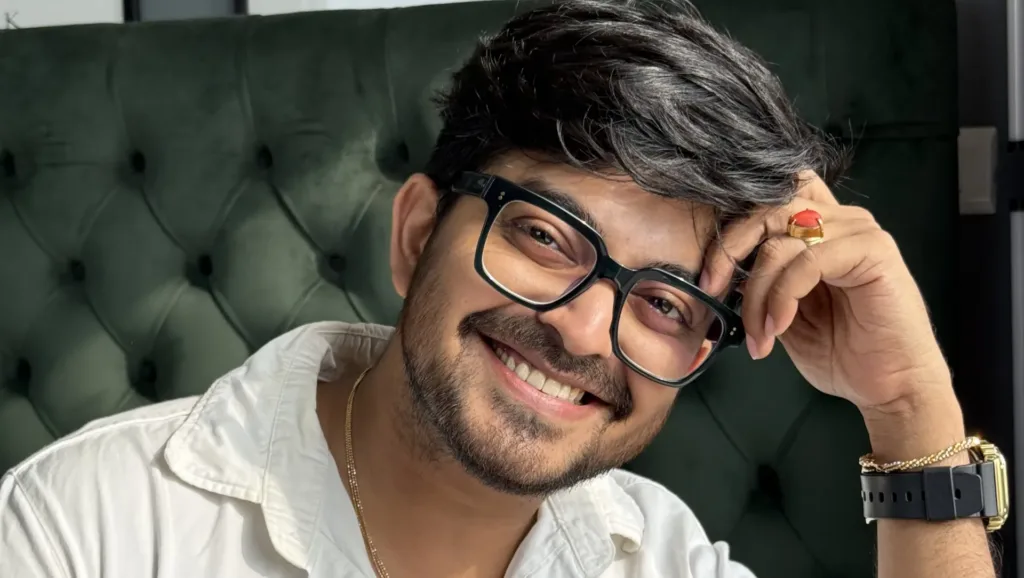
The 31-year-old actor runs the YouTube channel @withlovesayak, which has more than 88,000 subscribers. Chakraborty said he agreed to create content for the BJP because the party had supported him following the restaurant incident.
“The incident at the restaurant was on January 30 and was an instant reaction. There was no politics. Many parties approached me to make content after the incident, but I only agreed to BJP as they supported me during the incident,” he said in a social media post.
Shamik Adhikary Paid ₹13 Lakh
Popular vlogger Shamik Adhikary, known online as @Nonsane, received ₹13 lakh, according to the expenditure details. His YouTube channel has more than 3.5 lakh subscribers. Before the election, Adhikary posted a series titled ‘Button’, which criticised the Trinamool Congress government over issues including the RG Kar rape and murder case and unemployment.
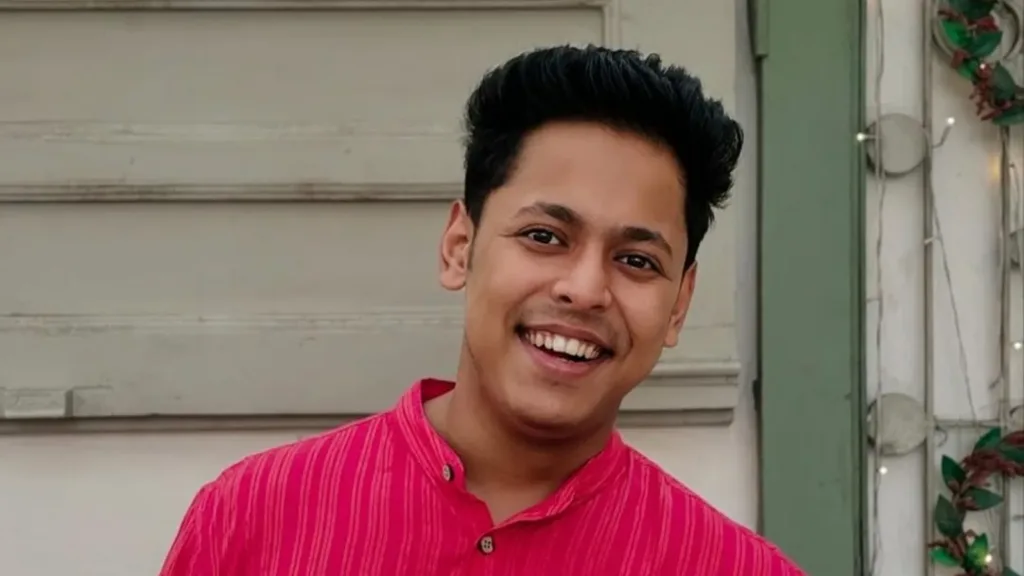
The series was widely circulated on social media, including by BJP leaders. Adhikary was also arrested over allegations of sexual assault, an incident that prompted allegations of political retribution from the TMC.
Other Influencers in BJP’s Payee List
Bangladeshi singer Sangit Sarkar received ₹2 lakh, according to the filings. Known for protest music and socio-political commentary, Sarkar had also released songs concerning issues in West Bengal, including the teachers’ recruitment controversy and alleged corruption.
Also Read | Kolkata Police cracks down on civic volunteers with new SOP
Former journalist Pinakpani Ghosh, who runs the YouTube channel Pinak Ki Bolche, received ₹5.25 lakh. His channel has more than 2.4 lakh subscribers and frequently discusses Bengal politics and social issues.
Former radio jockey Priyanka Sarkar, also known as RJ Priyanka, received ₹15 lakh. She has more than 10.4 lakh Instagram followers.
Sarkar said she had produced two pieces of content for the BJP, one concerning the launch of a sleeper Vande Bharat train and another about initiatives announced in the Union Budget.
“It was a normal promotion. Neither have I harmed anyone’s sentiment nor reputation. I am not a supporter of any party. I have made videos during the RG Kar incident. But I have also made videos on the NEET paper leak case,” Ms. Sarkar said.
Political Reactions to Influencer Payments
The payments have drawn competing responses from the BJP and Trinamool Congress.
TMC MLA Kunal Ghosh accused the BJP of using payments to YouTubers and influencers to shape a narrative around religious polarisation during the election campaign.
BJP state spokesperson Debjit Sarkar defended the payments and said the party had followed the rules. “Yes. We have paid influencers. So what? We will do it again. We have absolutely played by the book.” he said.
Also Read | Who is Sumit Roy? Abhishek Banerjee’s PA arrested in Shalbani land scam case
The Election Commission’s 2026 election guidelines stated that political parties were required to report campaign expenditure on internet platforms and social media, including spending on content development.