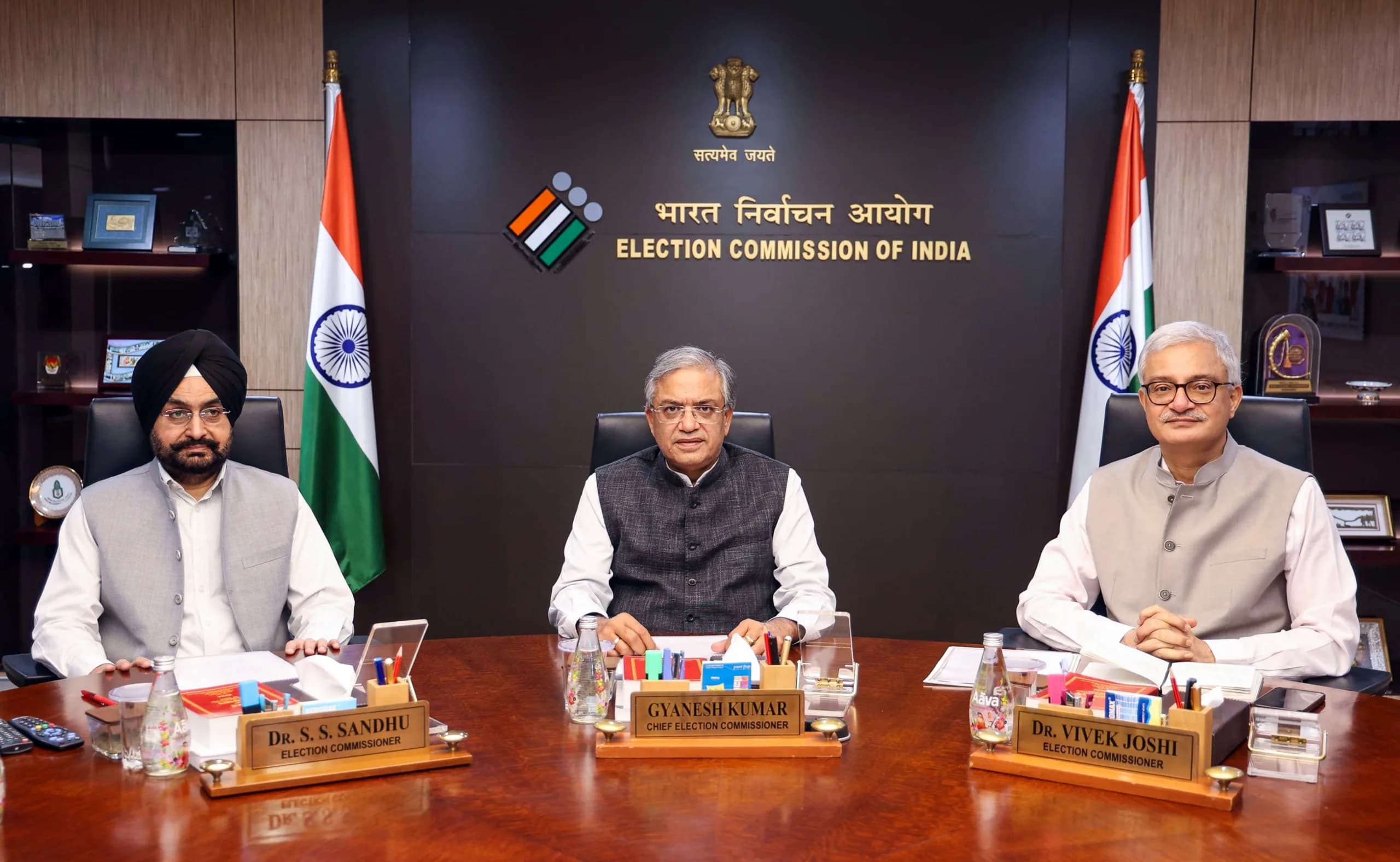
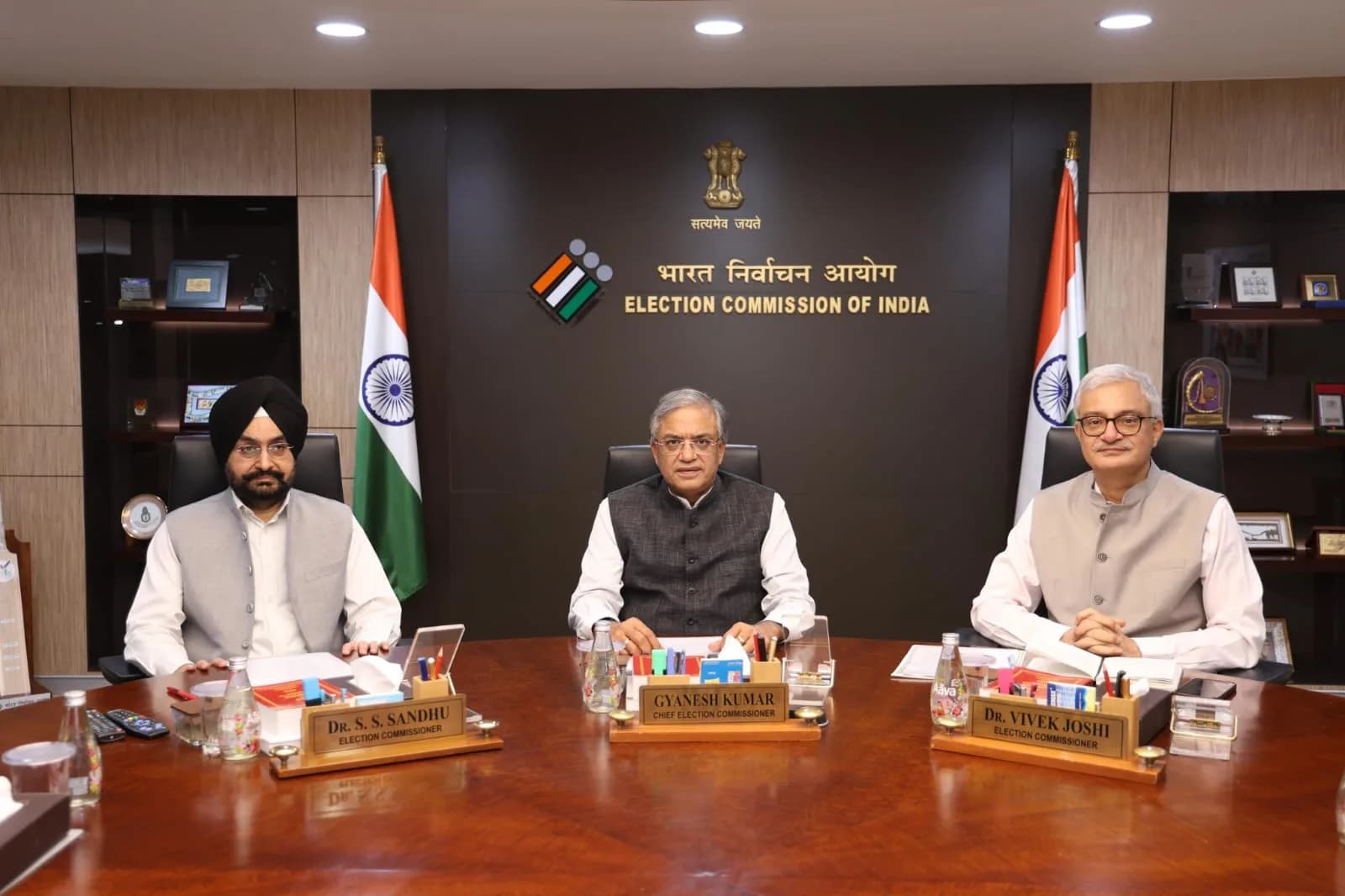










The Election Commission of India ECI has announced nine decisions aimed towards making electoral roll management and election administration more transparent and reliable. The announcements come days after reports revealed differences within the three-member Commission over decisions related to voter registration, deletion and restoration of names in electoral rolls.
The Commission says these measures are designed to improve accountability and reduce confusion during voter list revisions. However, several existing procedures remain unchanged.
Why did the Election Commission announce these decisions?
The decisions follow scrutiny over the Commission’s functioning during the Special Intensive Revision (SIR) of electoral rolls. According to reports, two Election Commissioners had recorded objections multiple times over issues linked to voter verification and electoral roll management.
The Commission has now introduced procedural changes while maintaining that its constitutional framework remains the same for maintaining transparency in the whole process.
Electoral roll revision will become more transparent
The ECI has decided that draft and final electoral rolls, along with reasons for additions, deletions and corrections, will be made available in a clearer and more accessible manner. This is meant to help voters understand why changes have been made to the rolls.
Booth Level Officers will have stricter verification rules
Booth Level Officers (BLOs) will follow a more structured verification process while checking voter details. The Commission says this is intended to ensure greater uniformity across states during voter verification exercises.
Digital records of voter changes will be strengthened
Every addition, substraction or any type of correction in the electoral roll will have a stronger digital trail. The move is aimed towards improving record and making future audits easier.
Appeals process gets more clarity
The Commission has clarified how voters can appeal if their names are deleted or restored. The process remains available under existing legal provisions. The electoral Commission has also said that the documentation and timelines will be communicated more clearly.
Electoral Registration Officers get clearer responsibilities
Further the Electoral Commision has also declared that the Electoral Registration Officers (EROs) will have defined responsibilities for handling claims, objections and corrections during electoral roll revisionsas a result which will help reducing ambiguity in decision-making.
Better communication with political parties
The ECI says recognised political parties will receive more regular information during electoral roll revision exercises so that they can raise objections or provide feedback within the prescribed timelines.
Technology systems will have additional oversight
The Commission plans for greater oversight of the digital systems used for maintaining the electoral rolls, with more improved monitoring of changes made through the software.
Training for election officials will be expanded
Officials who will be responsible for the voter registration and electoral roll revision will receive improvised training to ensure consistent implementation of rules across the country.
Also Read | Mamata Banerjee sharpens attack on SIR, backs key Opposition moves
Public disclosure of procedures will improve
The ECI has said, it will publish clearer standard operating procedures and explanatory material so the voters could understand the electoral roll revision process.
What has not changed?
Despite the nine announcements, several key aspects remain unchanged:
The constitutional powers of the Election Commission remain the same.
The legal process for voter registration, subtrraction, addition and correction continues under the Representation of the People Act andover the existing election rules.
Electoral roll revisions will still be carried out by Electoral Registration Officers. The Booth Level Officers will be responsible for conducting field verification.
Why these decisions matter
The announcements come at a time when the Election Commission is facing questions over the handling of electoral roll revisions in recent months. The Commission says the new measures are designed to increase transparency, improve record-keeping and make the voter verification process easier to understand for both common people and political parties as well.
Also Read | Mobile retailers plan ‘No UPI Day’ on October 2; raise concern over UPI MDR