






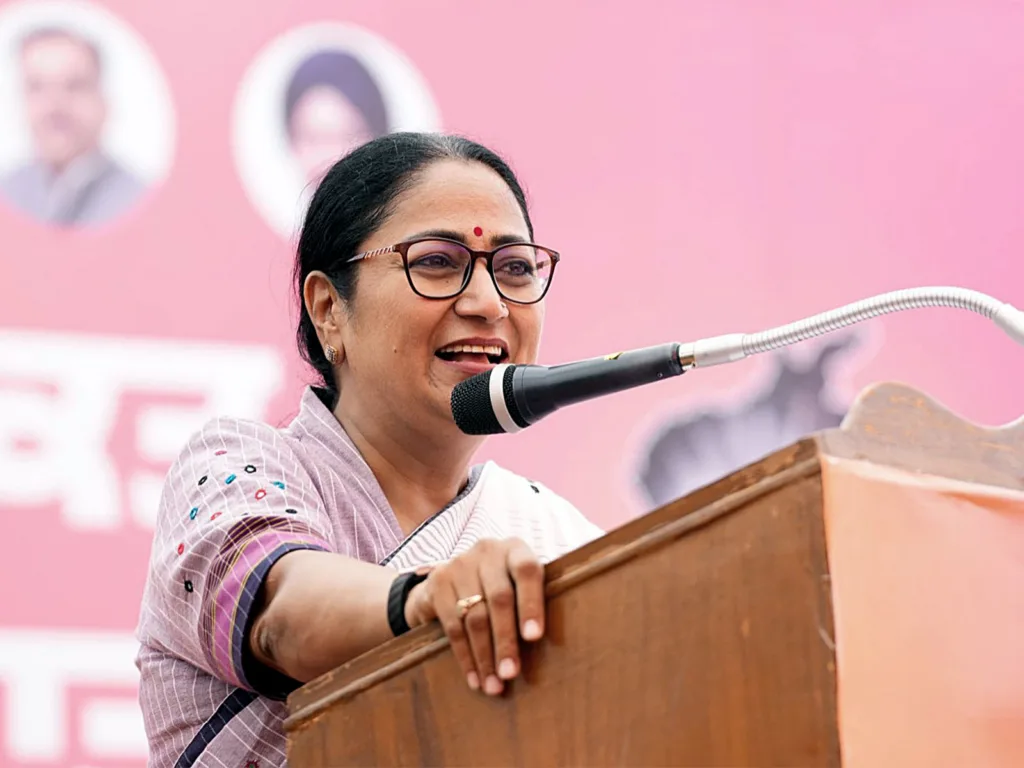
The Delhi government has announced five major measures to address congestion, encroachments and inadequate civic facilities in Chandni Chowk, five years after the historic market underwent a major redevelopment. Chief Minister Rekha Gupta has directed civic agencies to regulate rickshaw movement, clear pedestrian spaces, repair damaged infrastructure and improve sanitation facilities, with particular attention to toilets for women.
The directions were issued during a review meeting on Friday, November 20. A QR code-based grievance system is also being planned to allow traders, residents and visitors to report civic problems directly.
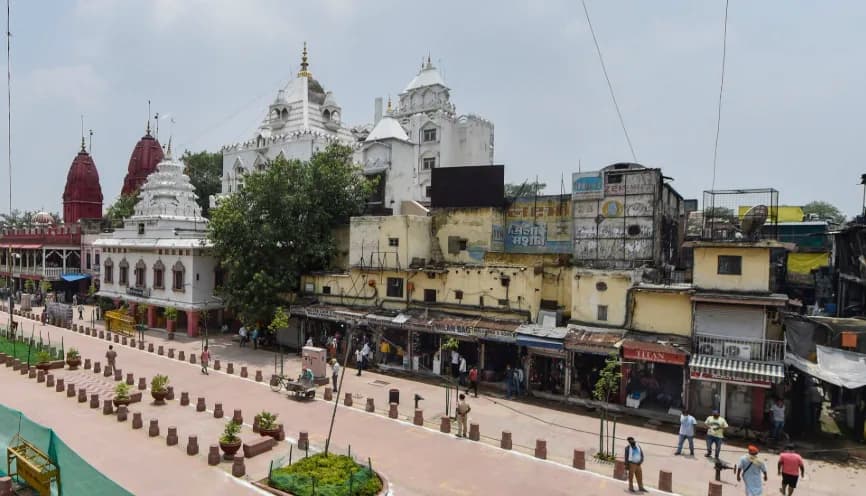
The 1.3-km stretch between the Red Fort and Fatehpuri Mosque was redeveloped in 2021 to create a more pedestrian-friendly market, with motorised traffic restricted during the day. However, the Chandni Chowk redevelopment project has continued to face challenges, including overcrowded walkways, unauthorised vehicles, damaged infrastructure and sanitation concerns.
Rickshaw numbers to be regulated to ease congestion
The Municipal Corporation of Delhi (MCD) has been asked to regulate the number of rickshaws operating along the redeveloped stretch and examine improvements to their design.
Around 400 cycle rickshaws were originally envisaged for the road. However, their numbers subsequently crossed 1,000, adding to congestion in an area designed primarily for pedestrians.
Traders have complained that rickshaws occupy space intended for people walking through the market. The government now wants civic authorities to examine how their numbers and movement can be managed more effectively.
The proposed regulation is expected to form a key part of the Chandni Chowk redevelopment effort, which aims to restore pedestrian movement without disrupting the market’s transport and commercial activities.
Encroachments to be removed and walkways cleared
The Delhi Police, MCD and Public Works Department (PWD) have been directed to coordinate efforts to remove encroachments from footpaths and public spaces.
A joint enforcement team is also planned to monitor unauthorised vehicles and illegal parking. The initiative is intended to prevent public areas from being occupied by vehicles and other obstructions, allowing shoppers to move more freely through the market.
The review also addressed congestion outside Chandni Chowk, particularly illegal bus parking and loading activities near Kashmere Gate and Old Delhi Railway Station. Officials have been instructed to strengthen enforcement in these areas and accelerate arrangements at Burari ISBT.
These measures are intended to address traffic and parking pressures both within the market and around its approaches.
Women’s toilets to be expanded and existing facilities renovated
Improving public sanitation, especially facilities for women, is another priority under the Chandni Chowk redevelopment plan.
Officials have been asked to identify locations where additional women’s toilets can be constructed. The four public toilets already available along the redeveloped stretch are also scheduled for renovation and installation of new fixtures.
The move seeks to address concerns over the availability and maintenance of basic amenities in one of Delhi’s busiest shopping destinations. Better toilet facilities are particularly important for women shoppers, tourists, traders and people who spend several hours in the market.
The government has directed the relevant agencies to assess existing facilities and identify the improvements required.
Also Read | India rules out shift in Indus Waters Treaty position during Pakistani minister’s Delhi visit
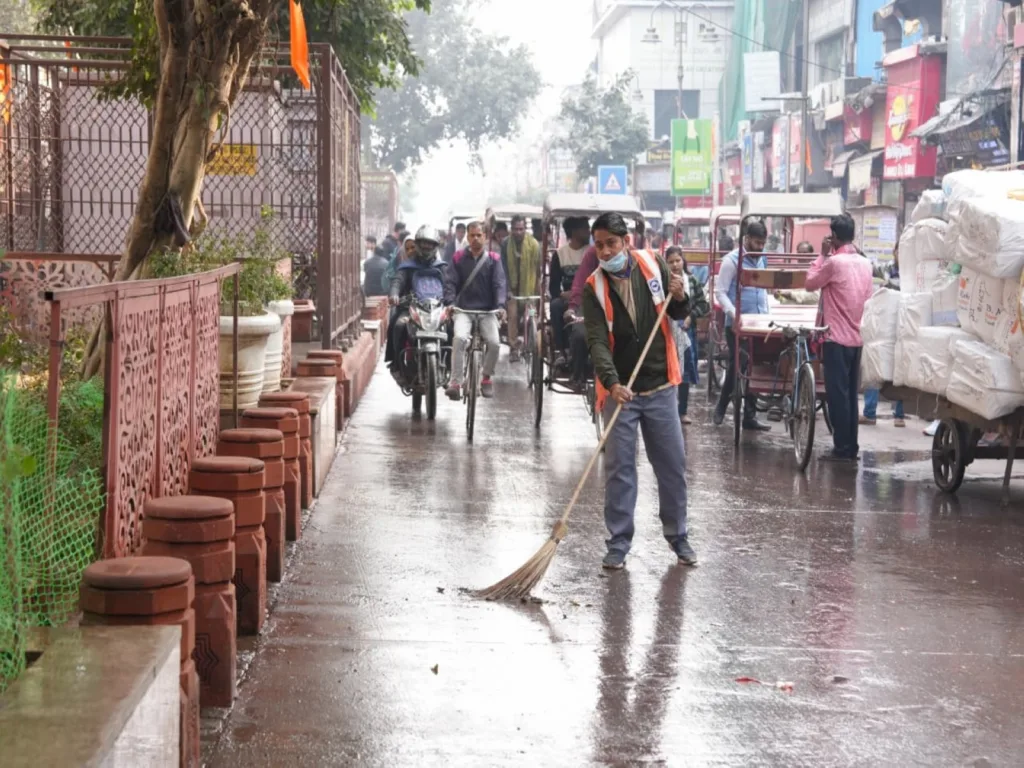
Sanitation and damaged infrastructure to receive attention
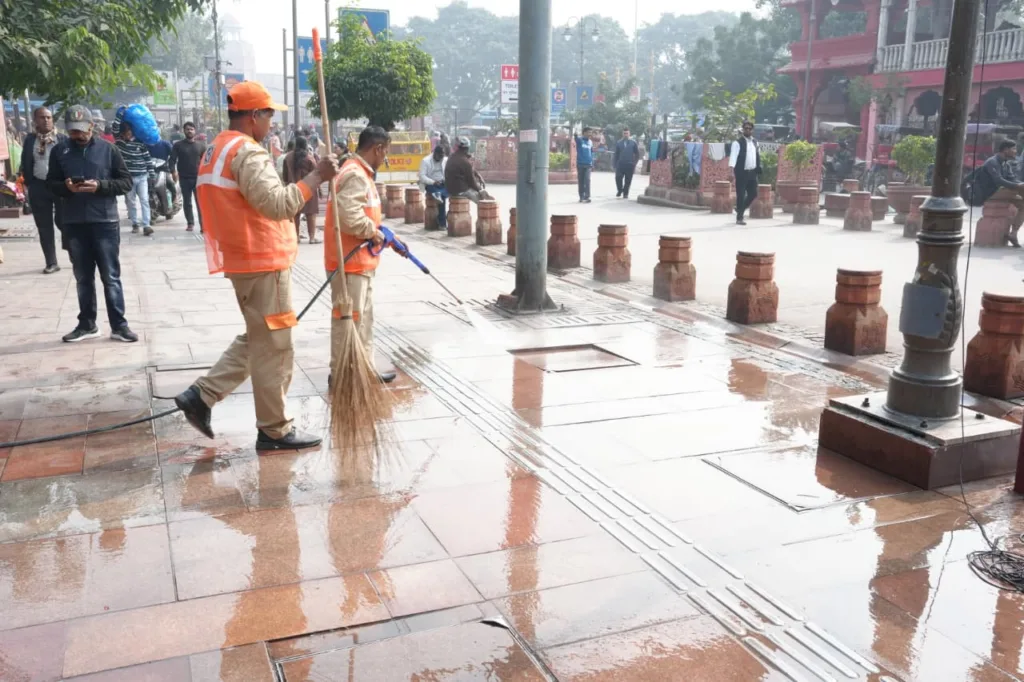
The government has also ordered improvements to street cleanliness and the maintenance of public infrastructure. According to the plan, 120 sanitation workers are deployed across three shifts to maintain cleanliness in the area.
The PWD is preparing a facility management system to oversee repairs and maintenance. The work will cover damaged flooring, drains, bollards and benches, along with the upkeep of planters and the central green strip.
Some cleaning and horticulture activities have already begun, while surveys are being conducted to identify other repair requirements.
Broken bollards, deteriorating walkways and poor sanitation have been among the problems reported since the 2021 redevelopment. The proposed maintenance system is intended to provide a more organised approach to addressing such issues
Also Read | India-Japan defence ties deepen as Japanese forces prepare for first live-fire drills on Indian soil
QR code system planned for public complaints
A QR code-based grievance mechanism is also being considered to make it easier for traders, residents and visitors to report civic problems.
Under the proposed system, people could scan a QR code to flag issues such as damaged pavements, unclean toilets or other maintenance concerns. This would offer a direct channel for reporting complaints without requiring visitors to identify and approach the relevant government office themselves.
The system is expected to improve communication between the public and civic agencies, although details about its launch and complaint-resolution process have not yet been announced.
Together, the five measures mark another attempt to improve Chandni Chowk’s public spaces and facilities after its 2021 makeover. Their effectiveness will depend on coordination between the MCD, Delhi Police and PWD, as well as sustained enforcement and regular maintenance across the historic market.