



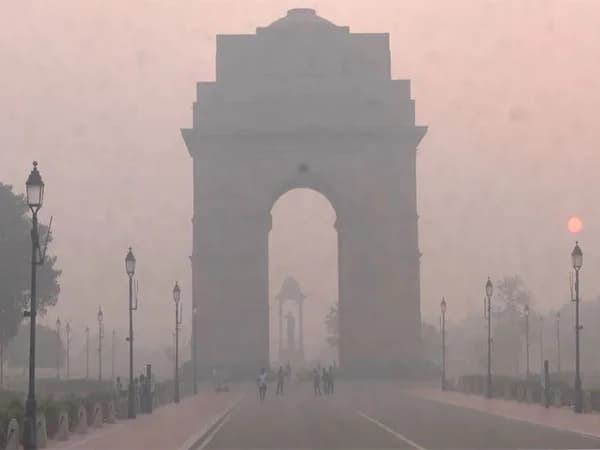




Delhi has achieved several administrative and monitoring targets under its pollution-control action plan but continues to fall short on infrastructure-led measures, according to the Commission for Air Quality Management (CAQM). The commission’s State Action Plan 2026 report card, released on Sunday, found that the Capital had achieved nine of the 22 parameters assessed, while several important targets remained incomplete.
The assessment covers progress recorded until October 31 and compares pollution-control measures across Delhi and neighbouring National Capital Region states. It found that Delhi had met targets related to air-quality monitoring stations, construction and demolition waste processing capacity, industrial inspections and pollution-control equipment. However, municipal waste management, landfill clearance and road dust control remain areas of concern.
The findings underline the continuing challenge of addressing Delhi pollution through long-term infrastructure improvements rather than relying only on monitoring and enforcement.
Delhi meets monitoring and industrial inspection targets
Delhi achieved its target of installing 19 Continuous Ambient Air Quality Monitoring Stations (CAAQMS), which help track changes in air quality. Haryana, in comparison, had not completed any of its target of 23 stations. Rajasthan had achieved three of its five targets, while Uttar Pradesh had completed 22 of its 25.
The Capital also met its target of establishing 1,000 tonnes per day of construction and demolition waste processing capacity. Uttar Pradesh had achieved 300 tonnes per day against a target of 400 tonnes, while Haryana reported no achievement against its target of 115 tonnes.
Industrial inspections were another area where Delhi recorded progress. Government agencies completed 1,609 inspections against a target of 979. The city also achieved its target of installing online continuous emission monitoring systems (OCEMS) and air pollution control devices at 90 industries.
The comparison with neighbouring states showed lower inspection figures in several cases. Haryana completed 177 inspections against a target of 3,865, Rajasthan carried out 68 against 2,974, and Uttar Pradesh completed 730 against 3,789.
However, progress in monitoring and industrial enforcement has not translated into similar results across all areas of Delhi pollution control.
Waste management and landfill clearance remain major challenges
The report identified municipal solid waste processing as one of the Capital’s significant infrastructure gaps. Delhi had targeted the expansion of two waste-processing plants, but no progress was reported on this measure by October 31. The planned additional processing capacity of 650 tonnes per day also remained unachieved.
The city’s three major landfill sites continue to hold substantial quantities of legacy waste. At Okhla, agencies cleared 18.26 lakh metric tonnes against a target of 27.45 lakh tonnes. Bhalswa recorded clearance of 27.49 lakh tonnes against 48.42 lakh tonnes, while Ghazipur saw 16.53 lakh tonnes cleared against a target of 39.12 lakh tonnes.
The lifting of construction and demolition waste also remained below the annual targets. Government agencies lifted 2.07 lakh metric tonnes against a target of 9.90 lakh tonnes, achieving approximately 21% of the target. Private agencies lifted 3.08 lakh metric tonnes against a target of 12.09 lakh tonnes, or around 26%.
These figures highlight the scale of the waste-management challenge facing Delhi. Inadequate processing capacity and the slow removal of accumulated waste remain important concerns in the city’s wider pollution-control efforts.
Also Read | Maharashtra withdraws FSSAI challenge after 8 weeks, raising questions over state’s U-turn
Road dust control records uneven progress
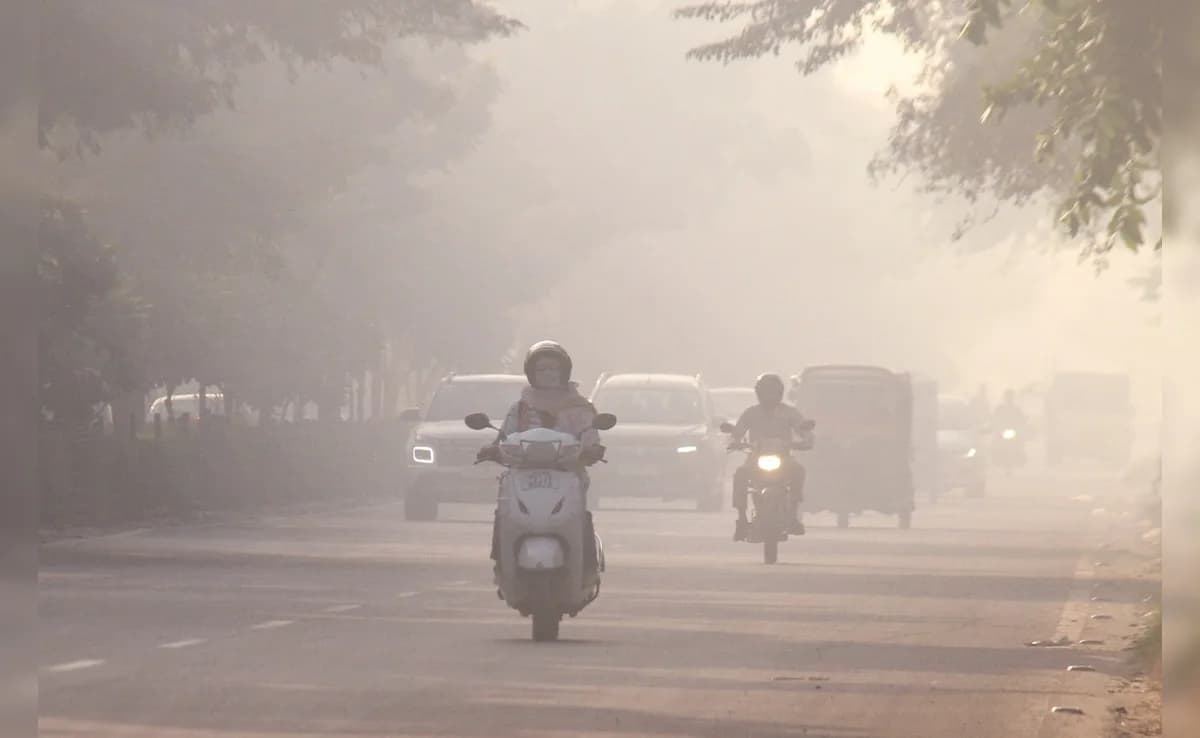
Road dust is another significant contributor to Delhi pollution, and the CAQM assessment found that the city had made uneven progress in expanding mechanical road-sweeping capacity.
Delhi achieved its target of adding four small mechanical road-sweeping machines. However, it had deployed only 19 of the 35 large machines targeted for augmentation. The shortfall was even greater in the medium-sized category, with just one machine deployed against a target of 57.
Mechanical sweeping is intended to reduce the amount of dust that becomes airborne due to traffic and other activity on roads. The limited deployment of medium and large machines indicates that the planned expansion of road-cleaning infrastructure remains incomplete.
Overall, the CAQM report presents a mixed picture of Delhi’s pollution-control efforts. The Capital has met several targets involving monitoring systems, industrial inspections and pollution-control equipment, but infrastructure-related measures continue to lag.
With waste processing, landfill remediation and road dust management still facing substantial gaps, the assessment points to the need for sustained implementation of the remaining action-plan targets to address Delhi pollution.