






The Maharashtra government’s decision to withdraw its legal challenge against the Food Safety and Standards Authority of India (FSSAI) has raised questions over an abrupt change in the state’s position. The petition, filed by the Food and Drugs Administration (FDA) in the Bombay High Court, had challenged the Centre’s food safety regulatory framework and alleged that it encroached upon powers assigned to state authorities.
What makes the Maharashtra FSSAI case unusual is that the state government had approved the legal action in writing before the petition was filed. However, around eight weeks later, the same administration directed the FDA to withdraw it. The cancellation correspondence did not specify why the decision had been reversed.
The petition named the Union Health Ministry and FSSAI as respondents and sought to strike down central regulations concerning food safety enforcement and licensing. The Bombay High Court disposed of the matter as withdrawn on Saturday, November 21, five days before its scheduled hearing on November 26.
Maharashtra FSSAI case: How the government approved the petition
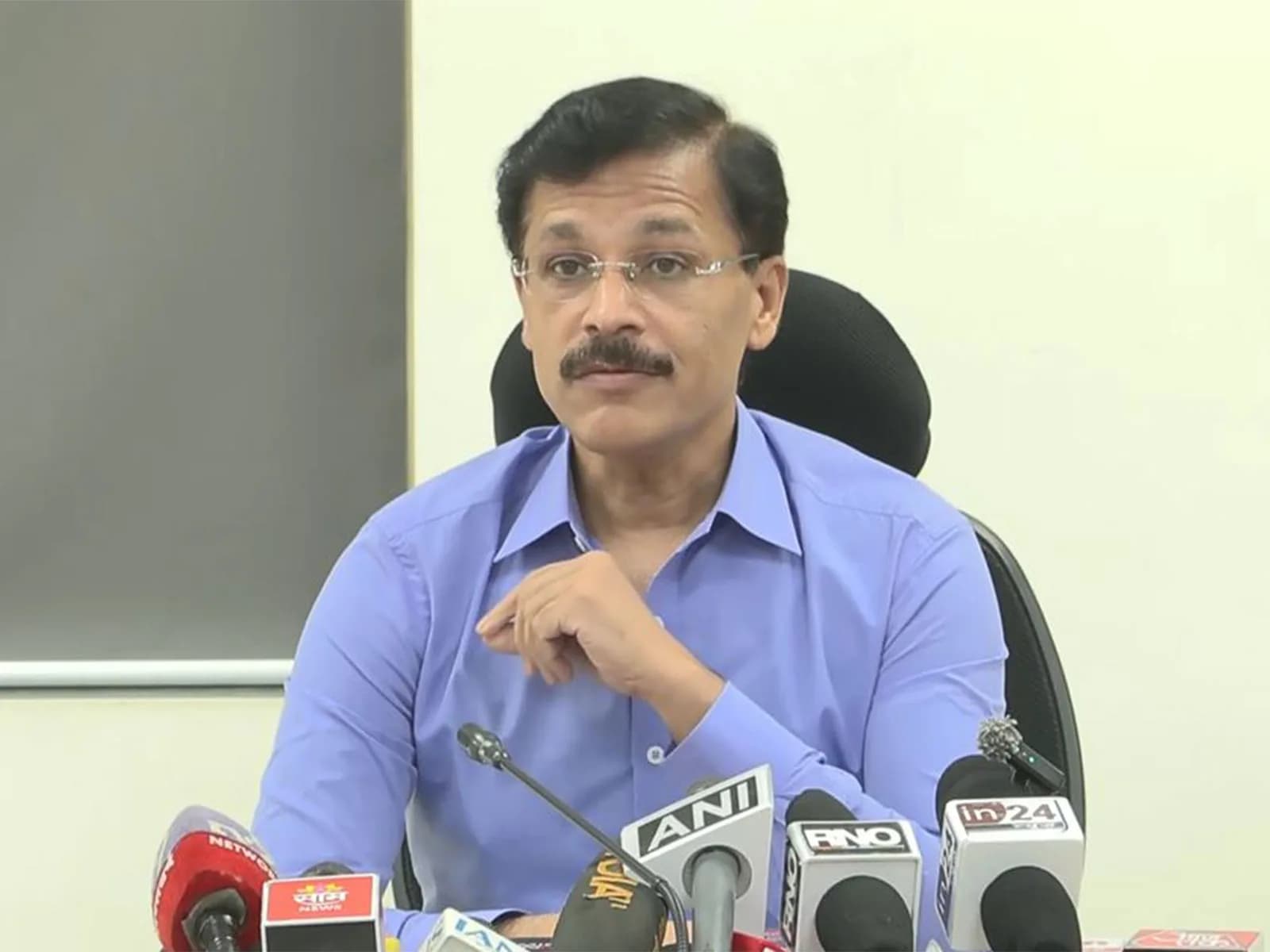
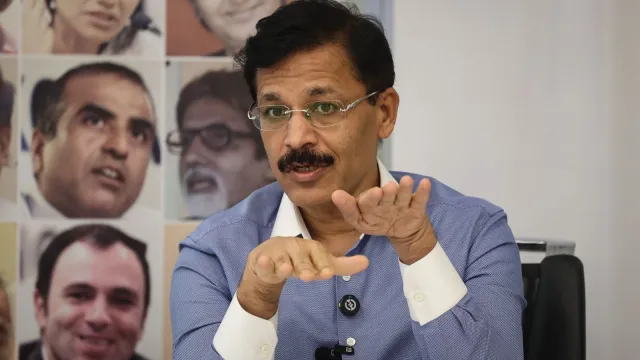
The paper trail began on July 28, when then Joint Commissioner (Food) Santosh Kamble wrote to the FDA’s Additional Chief Secretary seeking permission to file a writ petition. The proposal had the approval of FDA Commissioner Tukaram Mundhe.
According to Kamble’s letter, Maharashtra Advocate General Milind Sathe had suggested filing a separate petition while appearing for the state in a similar case brought by a Thane-based non-governmental organisation. Sathe had first asked an FDA officer present in court to initiate the process and subsequently directed the Food Safety Commissioner to file a petition on behalf of the state.
The government then formally cleared the proposal. On August 31, the Law and Judiciary Department informed the Government Pleader at the Bombay High Court that the Medical Education and Drugs Department wanted to challenge the central licensing authority and the appointment of Central Food Safety Officers. It asked the pleader to take the necessary steps.
On September 2, the Medical Education Department wrote to Mundhe, directing the FDA to obtain the Advocate General’s availability and willingness to argue the matter. It also instructed the Joint Commissioner to file the petition and report back after its submission.
The Maharashtra FSSAI case was subsequently filed in September. The sequence of correspondence indicates that the proposal had passed through the relevant administrative and legal channels before reaching the court.
Why Maharashtra reversed its position after eight weeks
The reversal began with a letter dated October 28. A desk officer in the Medical Education Department informed Mundhe that the earlier instructions stood cancelled until further orders and that no additional action should be taken.
The following day, the Law and Judiciary Department wrote to the Government Pleader, stating that the department wanted to withdraw the petition. On November 6, Mundhe received instructions to coordinate with the pleader, complete the withdrawal immediately and submit a detailed report.
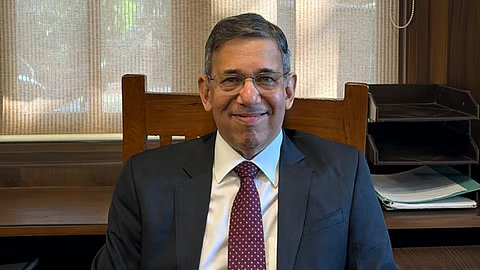
The petition was withdrawn before the Bombay High Court on November 21. However, none of the three letters issued during the reversal process explained the reason for the decision or identified the level at which it had been taken. Asked about the withdrawal, Mundhe said it had been carried out as per the government’s directive.
Senior state officials maintained that the decision was procedural rather than the result of a political disagreement between the BJP-led Maharashtra government and the BJP-led Centre. One official said that Supreme Court judgments had emphasised cooperation between the Centre and states in disputes involving different levels of government. According to the official, such matters should first be placed before the Chief Secretary to explore an amicable resolution.
The official also said departments had subsequently been reminded to follow this procedure and avoid litigation between government authorities. The FDA, however, maintained that the original challenge was necessary to address what it described as a parallel administrative mechanism created by the central regulator.
Also Read | Delhi plans 5 major changes to ease congestion and improve Chandni Chowk
What the dispute reveals about Centre-state food safety powers
At the heart of the Maharashtra FSSAI case is a disagreement over the division of responsibilities under the Food Safety and Standards Act, 2006. The law assigns enforcement and licensing responsibilities to state Food Safety Commissioners and the officers appointed by them.
However, FSSAI introduced Central licensing authorities through regulations in 2011 and appointed Central Food Safety Officers and analysts under regulations issued in 2018. Its online licensing portal, launched in 2020, also shifted most licences in Maharashtra under the central authority.
The FDA’s July proposal argued that this arrangement weakened the state’s ability to enforce food safety rules. It also referred to FSSAI communications issued in 2021 and May 2023 that allegedly barred state food safety officers from taking enforcement action against businesses holding central licences. The state said its requests for a review had not received a response.
The dispute has gained importance as the FDA, under Mundhe, has intensified enforcement across Maharashtra. The department has conducted inspections and suspended licences of restaurants, sweet shops and dairies as part of its crackdown on food safety violations.
The withdrawal leaves the underlying disagreement over regulatory authority unresolved in court. It also raises questions about how the Centre and states will coordinate enforcement under the 2006 law, particularly when businesses operate under licences issued by central authorities.