










India and Japan have taken a significant step towards expanding military cooperation, with Japanese forces set to conduct live-fire training at Indian firing ranges for the first time. The two countries signed a Letter of Intent (LOI) on Thursday, allowing Japan’s Self-Defence Forces to use Indian facilities for exercises, including those involving surface-to-ship missiles.
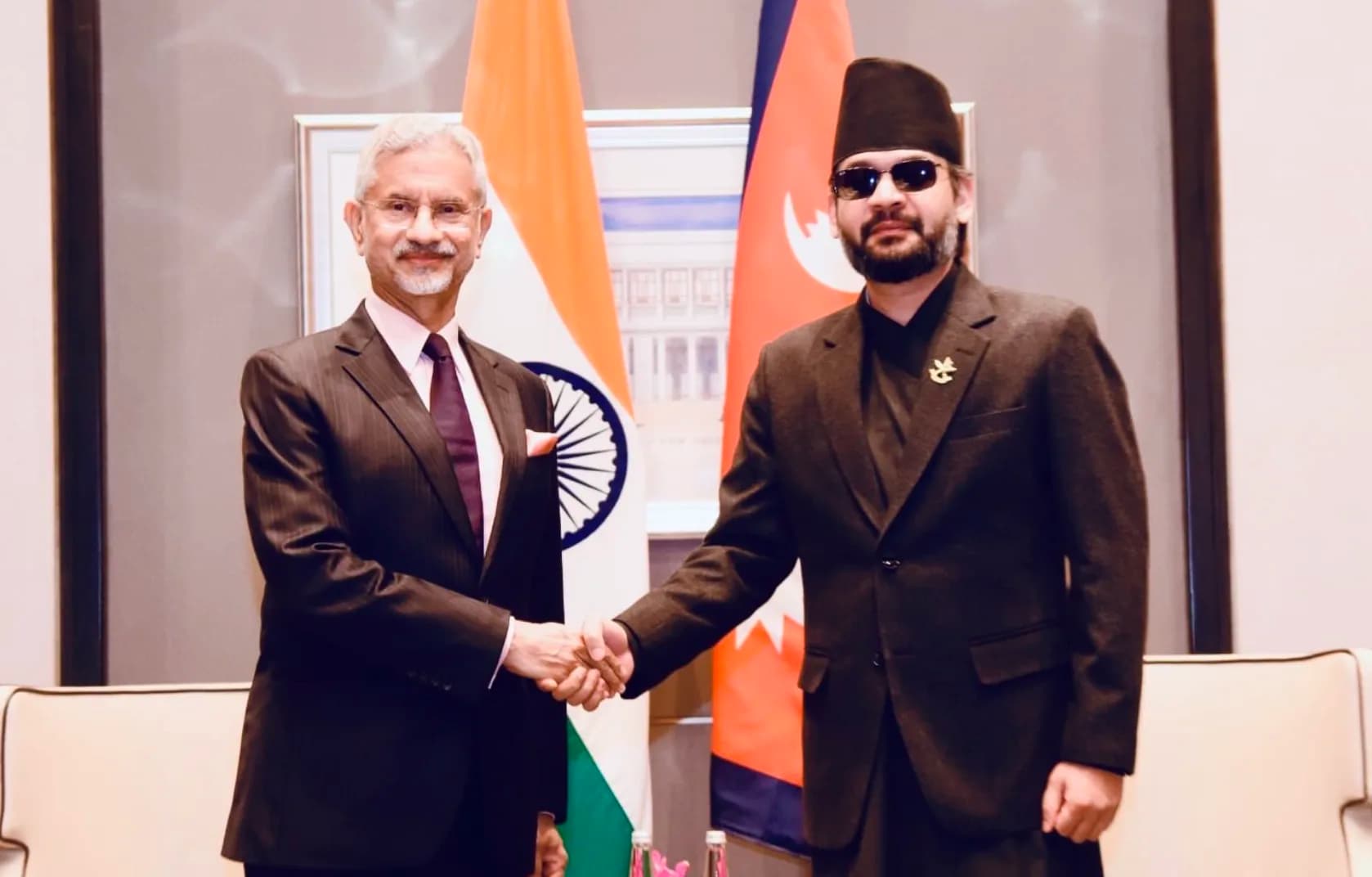
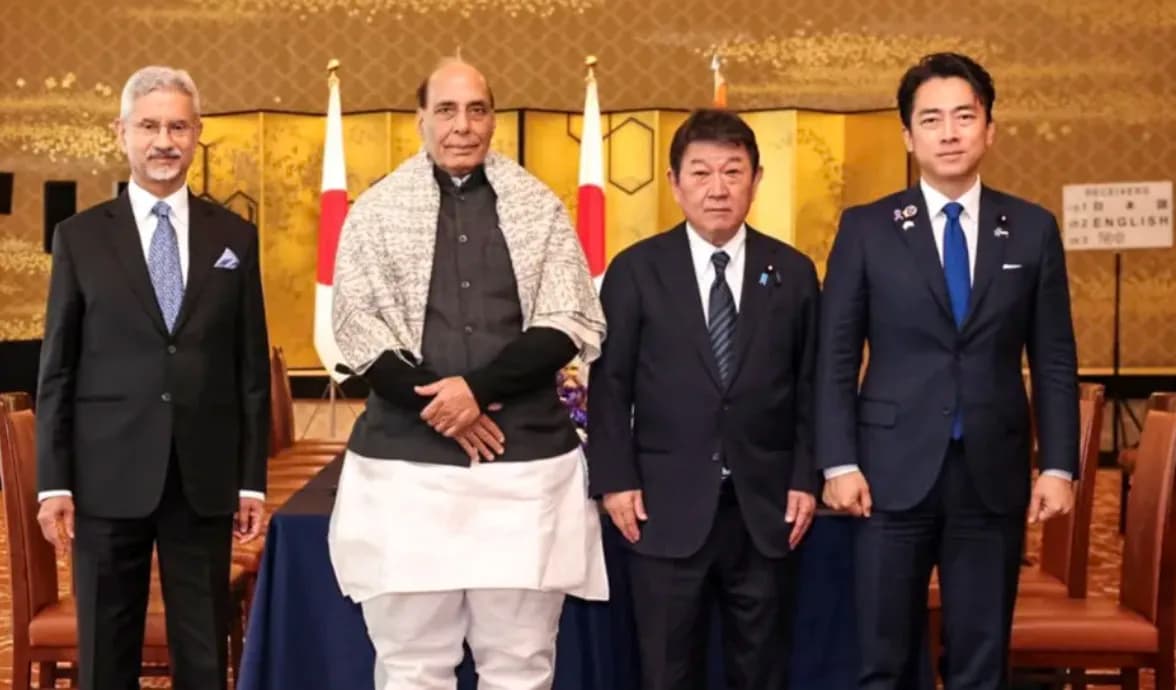
The agreement was announced after the fourth India-Japan 2+2 Foreign and Defence Ministerial Dialogue in Tokyo, attended by India’s Defence Minister Rajnath Singh and External Affairs Minister S Jaishankar, along with their Japanese counterparts Shinjiro Koizumi and Toshimitsu Motegi.
The development marks an important expansion of India-Japan defence cooperation, as the two countries seek closer coordination amid growing geopolitical and security challenges across the Indo-Pacific region.
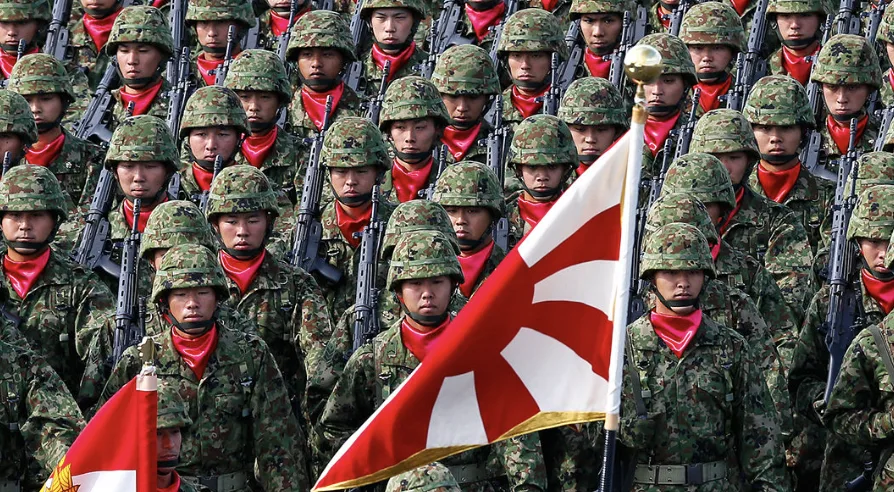
Japanese forces to conduct live-fire exercises at Indian ranges
The Letter of Intent provides a framework for Japanese Self-Defence Forces to conduct live-fire training at firing ranges in India. The proposed exercises will include training involving surface-to-ship missiles, making this a notable development in the defence relationship between the two countries.
In their joint statement, the ministers welcomed the agreement and called for faster coordination between the respective defence authorities to implement it.
The two sides described the arrangement as part of their growing defence and security partnership under the existing Joint Declaration on Security Cooperation.
The previous India-Japan 2+2 Dialogue was held in New Delhi on August 20, 2024. The latest meeting reflects an effort to move beyond diplomatic engagement towards practical military cooperation and greater interoperability between the armed forces.
Singh also said that both countries had agreed to accelerate collaboration in specialised underwater and missile technologies. He emphasised the need to translate the recently signed Memorandum of Arrangement on Maritime Security Cooperation into concrete initiatives.
The latest agreement is expected to add a new dimension to India-Japan defence cooperation, particularly through joint training and the sharing of operational experience.
Also Read | Delhi gurdwara incident: Man arrested after alleged desecration of Guru Granth Sahib in Tilak Nagar
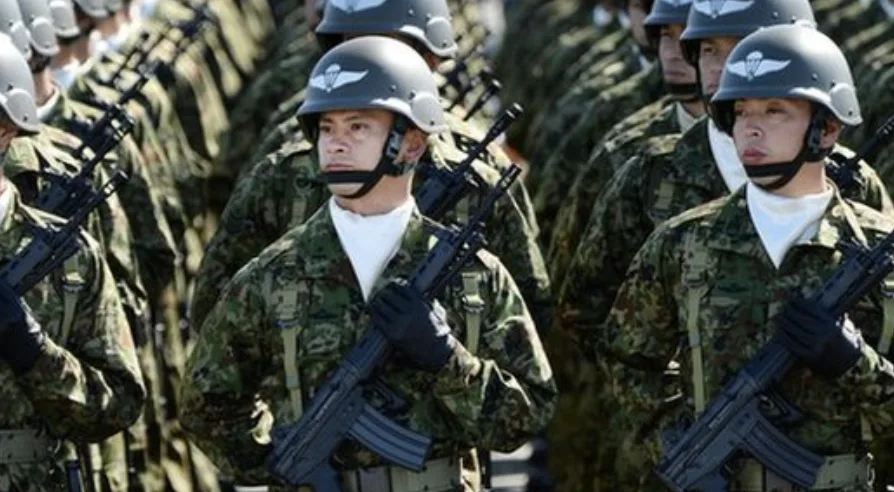
Maritime security, defence technology and joint exercises on agenda
Beyond the firing-range arrangement, the ministers discussed several areas of defence industrial and maritime cooperation. Both sides expressed interest in strengthening collaboration under the framework of “Design with Japan, Make in India”.
They also looked forward to an early conclusion of agreements related to the UNICORN project, which concerns the co-development of integrated antenna masts for Indian Navy warships.
Another priority is the proposed Maritime Ship Repair Arrangement, under which India and Japan would provide reciprocal ship repair facilities. The two countries also agreed to enhance cooperation in mine-countermeasure capabilities, which are important for protecting maritime routes and naval operations.
The joint statement welcomed the expansion of bilateral military exercises and called for greater complexity and integration of unmanned systems. Both sides also discussed conducting bilateral and multilateral exercises at short notice.
Cooperation between the two coast guards is also set to expand. India will host the fifth Coast Guard Global Summit in February 2027, an initiative originally developed by the Japanese Coast Guard.
Japan’s ongoing review of its National Security Strategy, National Defence Strategy and Defence Buildup Programme was also discussed. Japanese ministers said the revisions would contribute to stronger cooperation with India in maintaining regional and international security.
Also Read | Delhi High Court gives Kejriwal and 3 other AAP leaders 3 weeks to respond in contempt case
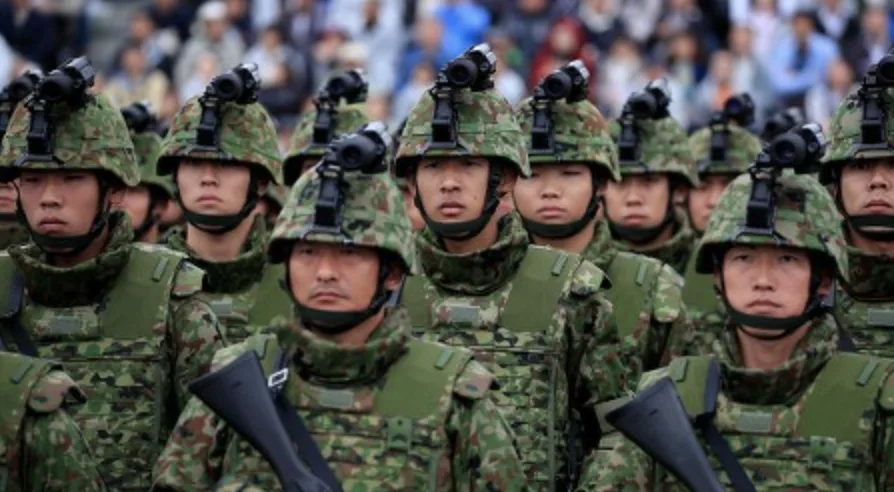
India and Japan seek closer coordination across the Indo-Pacific
The discussions extended beyond traditional military cooperation to include cybersecurity, digital connectivity, space technology and resilient supply chains.
The ministers agreed to strengthen secure, high-speed and reliable undersea cable networks across the Indo-Pacific, including through partnerships between industries in the two countries. They also identified the growing threat of cyberattacks as an area requiring closer coordination, particularly concerning AI-enabled cybersecurity and the protection of critical infrastructure.
Both sides supported expanding space-sector cooperation and agreed on the need to organise the next India-Japan Space Dialogue at an early date.
The joint statement also expressed concern over economic coercion, arbitrary export restrictions and non-market practices that disrupt global supply chains. The ministers stressed the importance of building reliable supply networks among like-minded partners.
On counterterrorism, India and Japan strongly condemned terrorism and violent extremism, including cross-border terrorism. They called for coordinated action against UN-listed organisations, including Al Qaeda, ISIS, Lashkar-e-Tayyiba and Jaish-e-Mohammad, as well as their proxies. The statement also called for action against terrorist safe havens, financing networks and cross-border movement of terrorists.
Jaishankar said that major international conflicts were having an impact even on distant regions, making trusted partnerships increasingly important. The ministers also reiterated their commitment to an international order based on the rule of law, national sovereignty, territorial integrity and peaceful resolution of disputes. Their statement underlined the need to avoid unilateral attempts to change the status quo, an indirect reference to concerns over China’s conduct in the Indo-Pacific.
As part of the diplomatic calendar, the two countries will celebrate 75 years of diplomatic relations in 2027 as the India-Japan Year of Shared Horizons, with programmes planned throughout the year. The next 2+2 Ministerial Dialogue will be held in India on a mutually convenient date.