
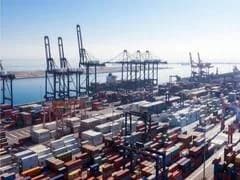










The Strait of Hormuz remains a major concern for countries dependent on Gulf energy and trade flows, prompting India to explore alternative logistics routes that can reduce exposure to disruptions in the narrow maritime passage. In this context, Sohar Port in Oman has emerged as an important option. Located on the Gulf of Oman, outside the Strait of Hormuz, Sohar Port combines deep-water infrastructure with road connectivity to Gulf markets and an industrial free zone. It cannot replace the entire network of Persian Gulf ports, but it could provide Indian businesses with an additional gateway during periods of heightened maritime risk.
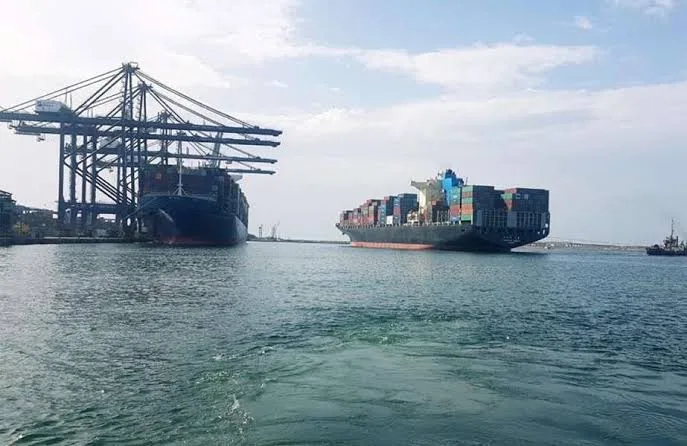
Sohar Port sits outside the Hormuz chokepoint
The strategic importance of Sohar Port comes primarily from its location. Ships travelling from India’s western coast to Sohar can reach the Omani port without entering the Strait of Hormuz. This can reduce exposure to risks associated with shipping through the narrow passage when regional tensions affect maritime traffic.
The Strait of Hormuz is a critical route for global energy supplies, connecting the Persian Gulf with the Gulf of Oman and the Arabian Sea. Major Gulf ports serving markets in the UAE, Saudi Arabia, Kuwait and Qatar are located inside the Persian Gulf and therefore depend on access through the strait.
Sohar Port offers a different logistics model. Cargo arriving at its deep-water terminals can be moved by road towards the UAE and other Gulf markets. This means some goods can reach destinations without a vessel having to enter the Persian Gulf.
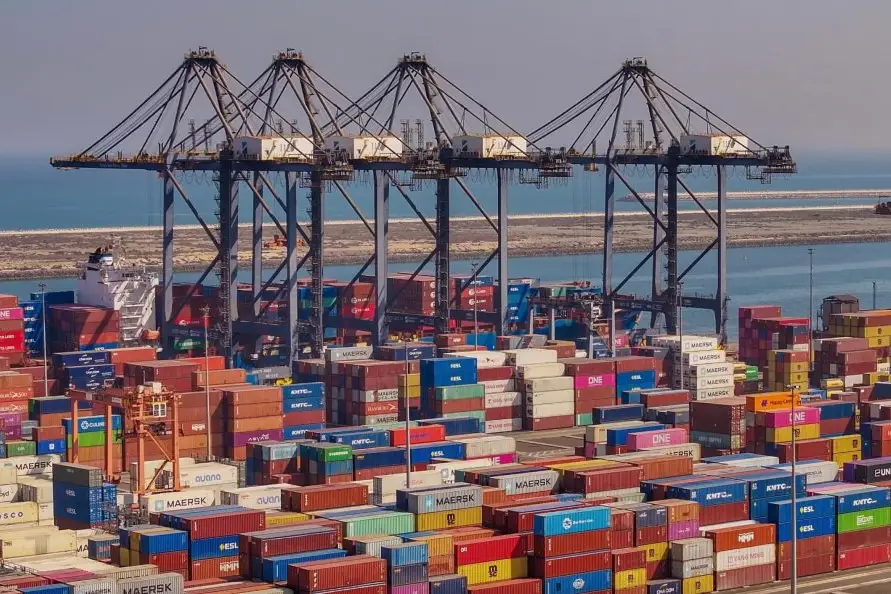
The port also has facilities designed to handle large commercial vessels and is integrated with the wider Sohar Freezone industrial ecosystem.
Also Read | From Trump TV to Truth Social: Inside the US president’s media multiverse
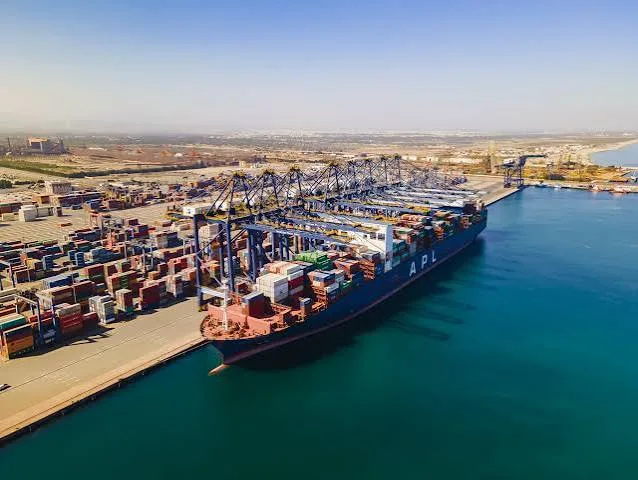
Sohar Port gains importance with India-Oman trade ties
The potential role of Sohar Port extends beyond serving as an emergency alternative. Its industrial free zone provides space for manufacturing, warehousing, processing and distribution, creating opportunities for Indian companies seeking access to Gulf and international markets.
The India-Oman Comprehensive Economic Partnership Agreement has added another dimension to this relationship. The agreement, which came into force in June 2026, provides expanded market access and tariff concessions for Indian exports to Oman.
For Indian companies, combining the trade benefits of the agreement with Sohar Port’s logistics infrastructure could make Oman a regional distribution base. Engineering products, pharmaceuticals, textiles, food products and machinery are among the sectors that could benefit from easier market access and regional distribution.
The Sohar ecosystem is also built around several industrial clusters, including logistics, metals, petrochemicals and food processing. This allows companies to establish operations closer to shipping infrastructure rather than relying entirely on facilities in India.
The port’s existing industrial base is significant. Sohar Port and Freezone has attracted billions of dollars in investment and handles substantial cargo volumes, giving it an established role in Oman’s trade network.
Also Read | Iran Code 100 alert: What the reported military escalation means
Sohar Port cannot replace Hormuz but can diversify routes
Sohar Port’s biggest limitation is scale. The Persian Gulf’s major ports collectively handle enormous volumes of energy and container traffic, meaning Sohar does not have the capacity to absorb all cargo if the Strait of Hormuz were completely closed.
Its role is therefore better understood as diversification rather than replacement.
During periods of heightened risk, Sohar could discharge containerised cargo and transport it onwards by road or feeder services. This could allow some trade between India and Gulf markets to continue while reducing the need for vessels to enter the Persian Gulf.
The same logic applies to India’s broader maritime strategy. Oman has ports beyond Sohar, including Duqm and Salalah, allowing India to develop a network of logistics points along the Omani coastline rather than relying on a single gateway.
For India, the significance of Sohar Port therefore lies in resilience. A port outside the Strait of Hormuz cannot eliminate the country’s dependence on Gulf energy supplies or replace the region’s largest maritime hubs. However, it can provide an additional commercial route, support Indian investment in Oman and create more options for moving goods towards GCC markets.
As India-Oman economic ties deepen, Sohar Port could consequently become an increasingly important component of India’s wider effort to diversify supply chains and reduce vulnerability to individual maritime chokepoints.