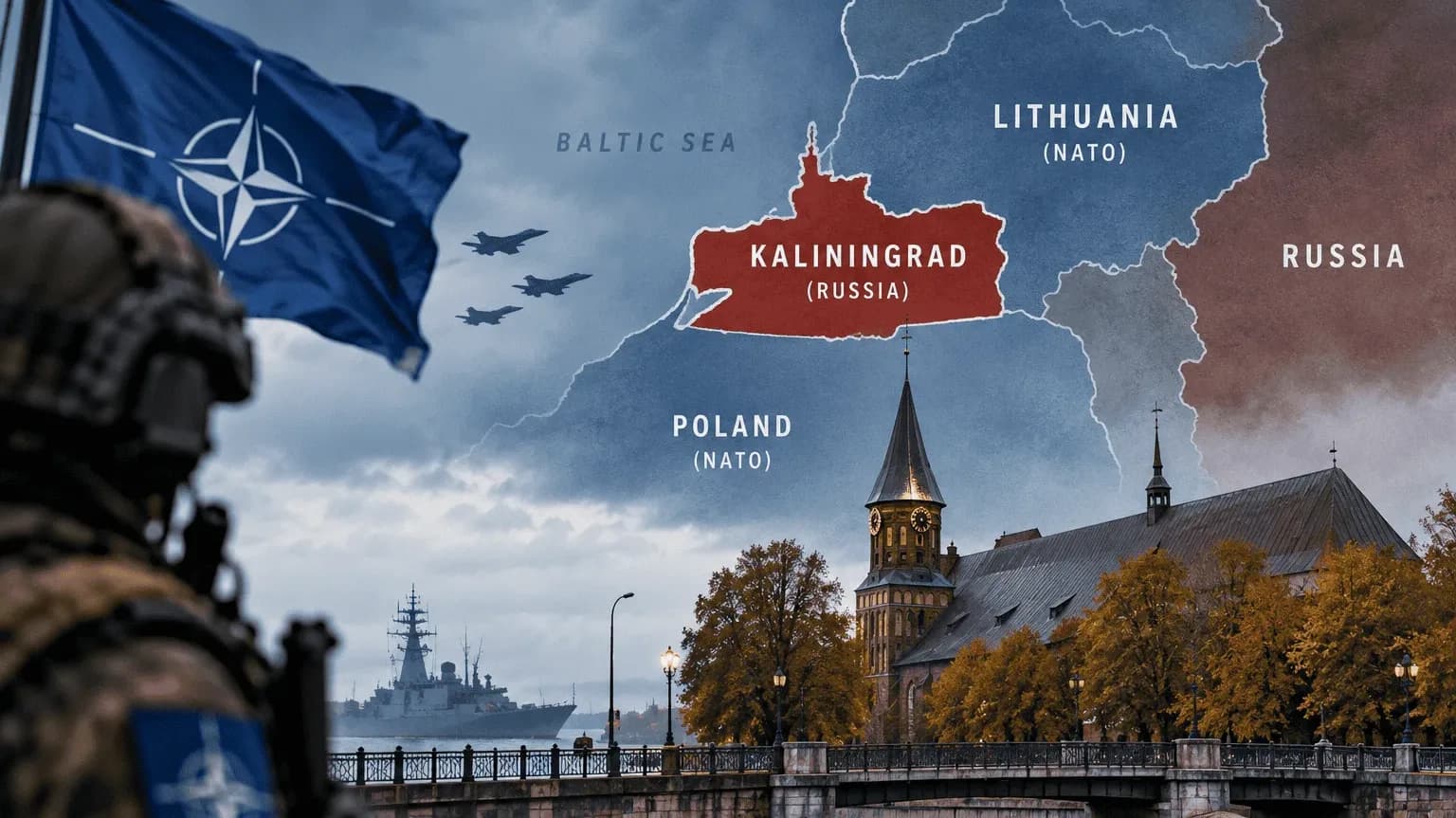
















Russia’s Kaliningrad has once again emerged as a potential flashpoint between Moscow and NATO, with tensions rising around the heavily militarised Russian territory wedged between NATO members Poland and Lithuania.
Russia has warned that it would be prepared to resort to nuclear weapons if NATO attempted to cut off or attack Kaliningrad. NATO, in response, urged Moscow to stop what it described as increasingly reckless behaviour and irresponsible nuclear rhetoric.
Also Read | Flydubai FZ1073: The 5 people who helped stop a mid-air catastrophe
But why does Kaliningrad matter so much? Its geography, military infrastructure and position on the Baltic Sea make it strategically important to both Russia and NATO.
Why is Kaliningrad strategically important?
Kaliningrad is a Russian exclave, meaning it is separated from Russia’s main territory. It lies between Poland and Lithuania and borders the Baltic Sea. The region has a population of about one million and is slightly larger than the US state of Connecticut, according to Reuters.
The territory was formerly the German city of Königsberg and the capital of East Prussia. It became part of the Soviet Union after the Red Army captured it in April 1945 and the victorious Allied powers divided East Prussia following World War II.
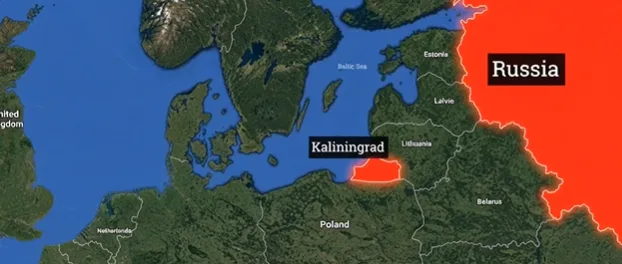
Its military value is central to the current tensions. Kaliningrad provides Russia with a platform for air defence, missile and naval forces, allowing Moscow to project military power into northern and central Europe.
At the same time, its location creates a vulnerability. Because it is surrounded by NATO territory on its landward sides, maintaining supply lines or reinforcing the region could become difficult during a conflict.
Why have Russia-NATO tensions around Kaliningrad risen?
Tensions have steadily increased since Russia’s full-scale invasion of Ukraine in 2022, after which NATO strengthened its eastern flank.
Finland joined NATO in 2023 and Sweden followed in 2024, further changing the military geography around the Baltic region.
In May 2026, Russia criticised remarks by Lithuania’s foreign minister after he said NATO needed to demonstrate that it could penetrate what he described as the “small fortress” Russia had built in Kaliningrad and destroy its air-defence and missile bases. Reuters reported that Moscow described the comments as “verging on insanity”.
What happened around Kaliningrad in August?
A Western military source told Reuters that dozens of aircraft from NATO countries took part in an unannounced operation in the airspace around Kaliningrad in mid-August.
According to the source, the operation demonstrated NATO’s capability to disrupt the exclave’s radio and radar links and its air defences in the event of a conflict with Russia.
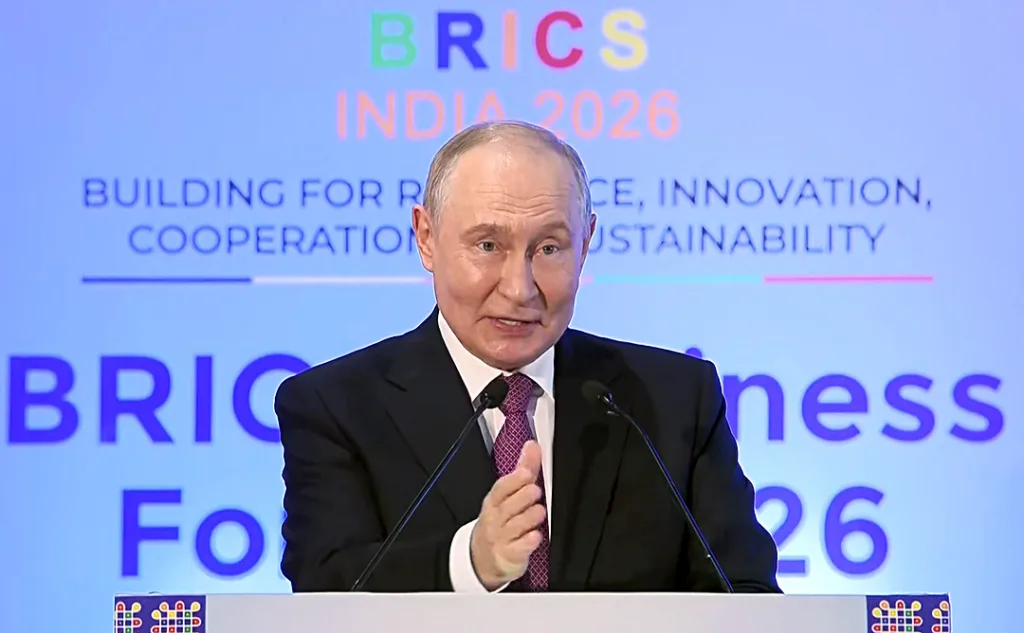
Russian embassies in Europe have also highlighted what Moscow sees as threatening NATO military movements in the Baltic and increasingly hawkish rhetoric surrounding Kaliningrad.
NATO says its increased presence in the Baltic Sea is partly linked to concerns about threats to critical undersea energy and communications infrastructure.
What could trigger a crisis around Kaliningrad?
Security analysts cited by Reuters say the main concern is miscalculation leading to a direct confrontation between Russia and NATO.
Potential triggers identified in the report include drone incidents, disruption of critical infrastructure, major new missile deployments or any action that Moscow interprets as an attempt by NATO to impose a blockade on Kaliningrad.
European countries have continued to support Ukraine with weapons, intelligence and sanctions while avoiding direct participation in the war. Moscow, however, said this week that European countries were already “waging war” against Russia.
Also Read | Swiss glaciers are melting, Greek lakes are shrinking: Europe’s water cycle is changing
Against this backdrop, Kaliningrad’s unusual geography makes it particularly sensitive. It is simultaneously a heavily militarised Russian outpost and a territory surrounded by NATO members, leaving little room for error if tensions escalate.
Why is Kaliningrad called a flashpoint?
Kaliningrad is not itself a battlefield between Russia and NATO. The concern highlighted by Reuters is that its strategic location could make it a potential flashpoint if an incident involving military aircraft, drones, infrastructure or attempts to restrict access were misinterpreted or escalated.
The combination of Russia’s military assets in the region, NATO’s growing Baltic presence and the enclave’s isolation from mainland Russia means even a relatively limited incident could carry wider security implications, according to security analysts cited by Reuters.