


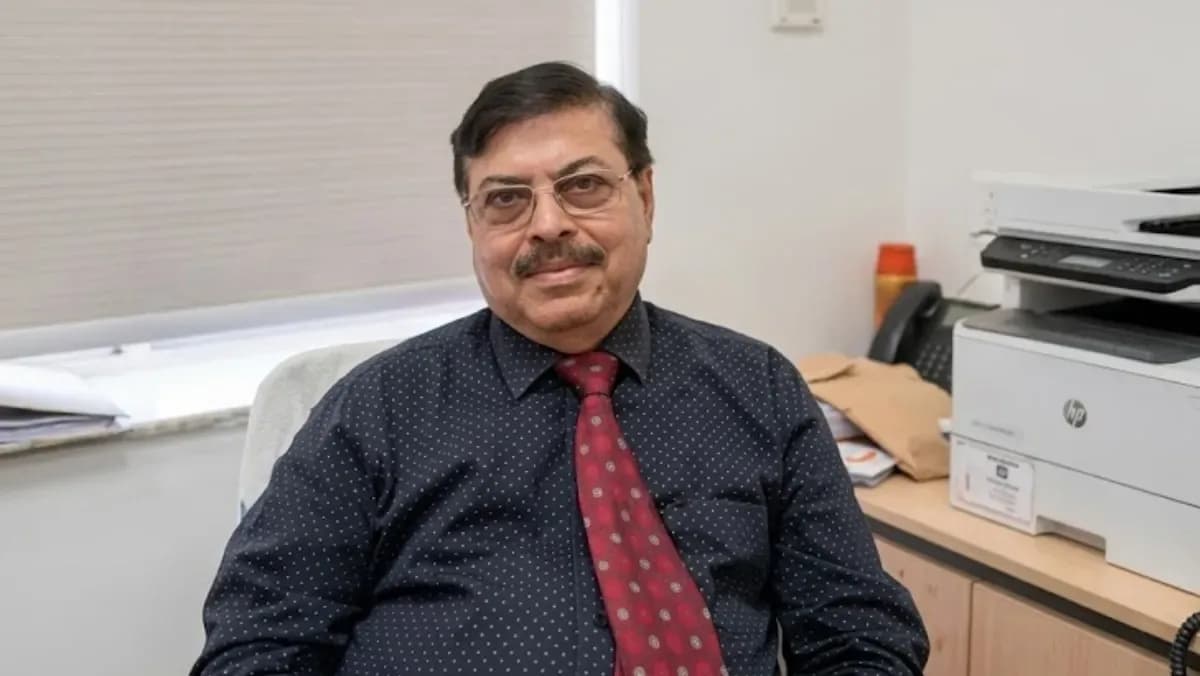








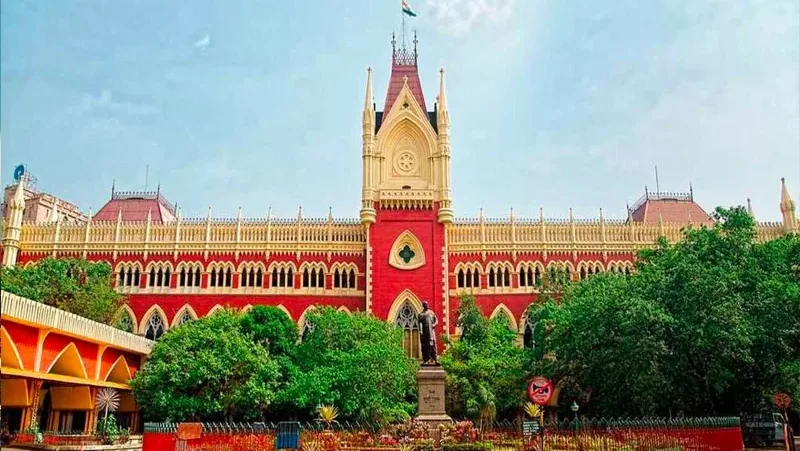
Retired Calcutta High Court judge Justice Indrajit Chatterjee has sought to step down from an appellate tribunal hearing cases linked to the Special Intensive Revision (SIR) of electoral rolls in West Bengal.
Justice Chatterjee, who is handling appeals from Murshidabad, has written to the Chief Justice of the Calcutta High Court seeking to resign from the tribunal. He cited the difficulty of travelling between his Salt Lake residence and the tribunal centre at Joka, along with the scale of the pending workload.
The development comes as thousands of appeals connected to the SIR exercise remain before tribunals across the state.
Justice Chatterjee Cites Long Commute And Heavy Workload
The tribunal centre is located in Joka, around 27 km from Justice Chatterjee’s Salt Lake residence. According to his letter, the daily journey has made it difficult for him to continue with the assignment.
“It is impossible to work under such conditions and do justice to the mammoth responsibilities bestowed on us,” Justice Chatterjee wrote, according to reports.
He has proposed that the tribunal office be shifted closer to Salt Lake. He has also indicated that he would be willing to carry out tribunal work from home.
Justice Chatterjee took charge of Appellate Tribunal 11 in April. The tribunal is dealing with appeals concerning electoral roll inclusions and exclusions in Murshidabad.
Over Five Lakh Appeals Remain Before His Tribunal
The scale of the backlog has emerged as a major issue. Justice Chatterjee has disposed of 425 appeals so far, while around 5.3 lakh cases remain pending before his tribunal, according to a recent report.
At a disposal rate of roughly 10 cases a day, the workload would take decades to clear. The figure illustrates the challenge facing the SIR appellate process, particularly in districts with large numbers of appeals.
Of the appeals decided by Justice Chatterjee, 350 appellants had their names restored to the electoral rolls, while 75 names were deleted, according to media reports.
Murshidabad Among Key SIR Districts
Murshidabad is among the districts with a particularly large SIR appeal workload. The district has 22 Assembly constituencies and three Lok Sabha constituencies.
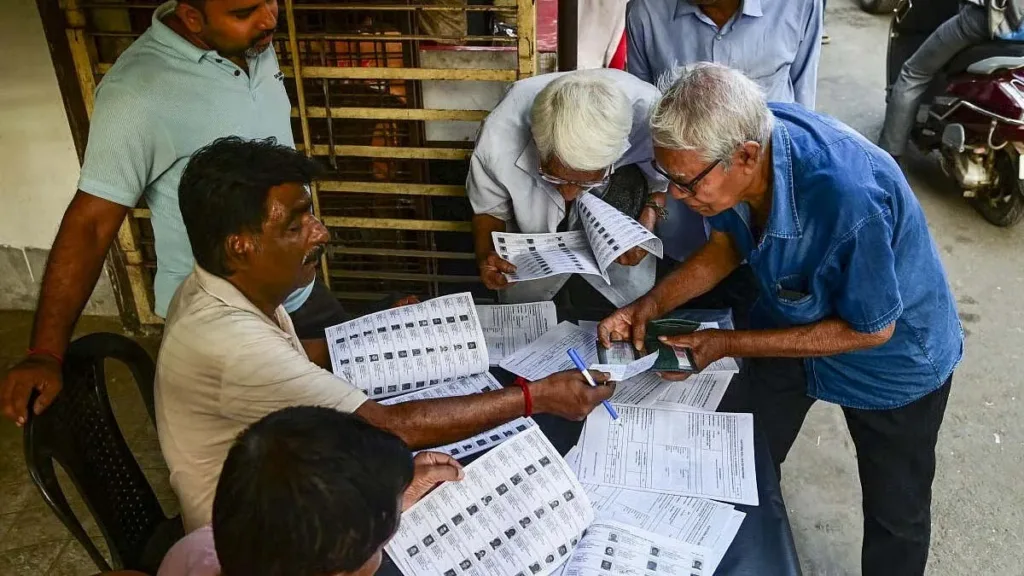
Justice Chatterjee’s tribunal is handling appeals from the district, where the SIR process has generated a substantial number of cases.
The tribunal’s workload also comes against the backdrop of a much larger statewide backlog.
Over 37 Lakh SIR Appeals Pending In Bengal
The Election Commission of India told the Supreme Court in September that 38,20,683 appeals had been filed against orders connected with the SIR of electoral rolls in West Bengal.
Also Read | Keep your friends close, but your enemies closer? The implications of TMC-CPI(M) dialogue amid EC row
Of these, 1,02,231 appeals had been disposed of, leaving 37,18,452 cases pending, according to the poll panel’s affidavit.
The Election Commission did not provide a separate break-up showing how many appeals were filed against deletion of names and how many challenged the inclusion of names in electoral rolls.
The Supreme Court is examining the issue following a petition filed by Prasenjit Bose, chairperson of the West Bengal Congress’s SIR committee.
Supreme Court Had Directed Appellate Tribunals
Following directions from the Supreme Court, 19 appellate tribunals were established across West Bengal to deal with appeals arising from the SIR exercise.
Also Read | Tigress brought from Bihar to Buxa Tiger Reserve, release set for October 2
Justice Chatterjee’s proposed exit adds to the attention surrounding the functioning and workload of these tribunals. Former Calcutta High Court Chief Justice T S Sivagnanam had also previously stepped down from a tribunal.
For now, Justice Chatterjee has proposed alternatives that could allow him to continue, including relocating the tribunal closer to his Salt Lake residence or permitting him to work from home.