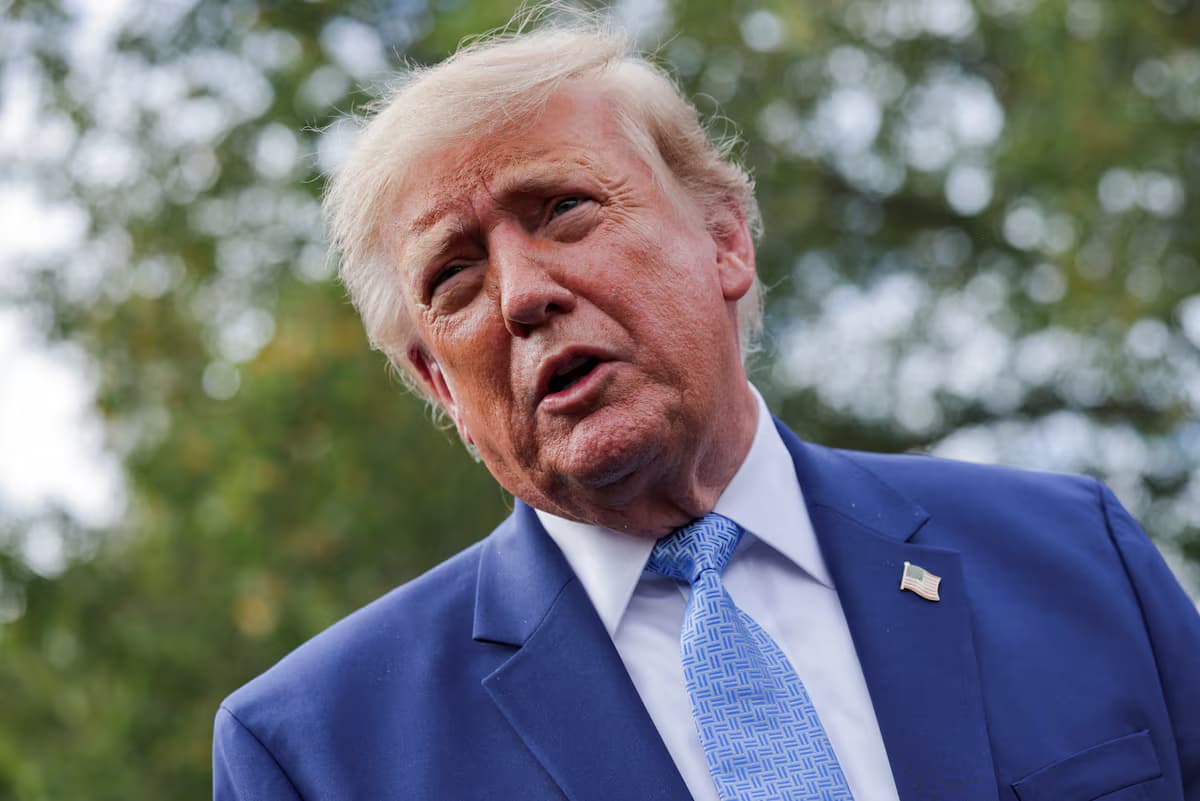














US President Donald Trump has signed an executive order directing federal agencies to stop using the terms “Artificial Intelligence” and “AI” in most official communications and instead use “Super Intelligence” and “SI”. The Trump SI order, signed on September 29, applies to official correspondence, public communications, websites, reports, policy documents and other non-statutory material across the executive branch.
The move follows remarks Trump made at the United Nations General Assembly, where he said the word “artificial” made the technology sound less authentic than its actual capabilities. The White House order similarly argues that modern systems have advanced beyond what the original terminology was intended to describe.
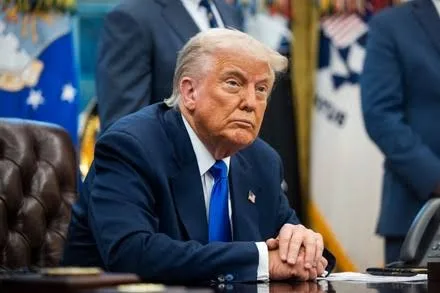
Trump’s SI order changes how federal agencies refer to AI
Under Trump’s SI order, federal departments and agencies are instructed, to the maximum extent permitted by law, to use “Super Intelligence” and “SI” instead of “Artificial Intelligence” and “AI” in their official communications.
The order does not require agencies to rewrite previously issued regulations, presidential actions, contracts, grants or historical documents. It also applies specifically to non-statutory documents, meaning the change does not automatically erase the term “AI” from existing laws.
The White House says the terminology is intended to reflect what it describes as the rapidly advancing capabilities of modern AI systems. The administration argues that today’s frontier technologies increasingly amplify human creativity and capabilities rather than simply imitate individual aspects of human intelligence.
The order also directs the Assistant to the President for Science and Technology to submit proposed legislative language within 60 days. That proposal is expected to examine whether the existing statutory definition of artificial intelligence should be modified or replaced and whether corresponding changes should be made to federal laws.
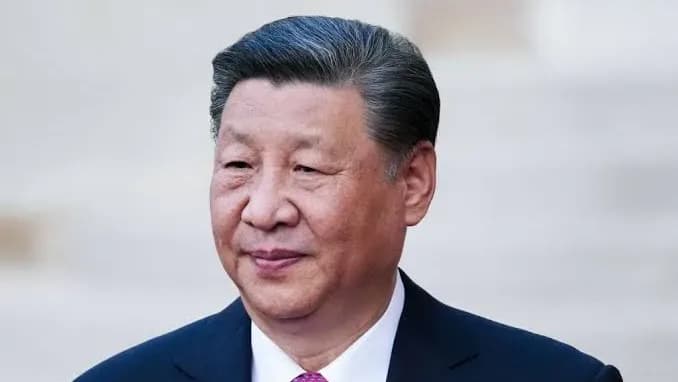
Also Read | Xi Jinping calls for China economic targets, warns on Taiwan
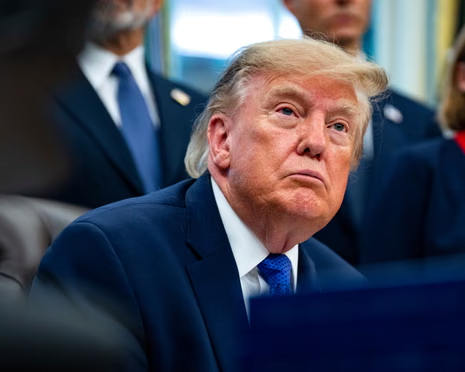
Why Trump wants to call AI ‘Super Intelligence’
Trump has publicly explained his reasoning in terms of the word “artificial”. At the UN General Assembly, he argued that describing the technology as artificial could make it sound “fake”, despite its increasingly sophisticated capabilities.
Trump’s SI order adopts a similar rationale, saying that the term “Super Intelligence” better captures the potential and capabilities of the technology being developed. The White House has framed the change as part of a broader effort to emphasise technological innovation and the potential economic and scientific applications of advanced systems.
However, the phrase “superintelligence” already has a specific meaning in technology discussions. It is commonly used to describe a hypothetical or advanced form of intelligence that would substantially exceed human cognitive capabilities across many areas.
That distinction means the government’s new terminology could be understood differently from the way researchers and technology companies have traditionally used the term. Trump’s SI order therefore changes federal terminology, but it does not by itself establish that every existing AI system is technically “superintelligent”.
The administration’s order also leaves room for the terminology to evolve. Its proposed legislative definition could determine how the federal government formally understands “Super Intelligence” and “SI” in the future.
Also Read | A flight to Israel, a cockpit fight and a hijacking scare: What happened?
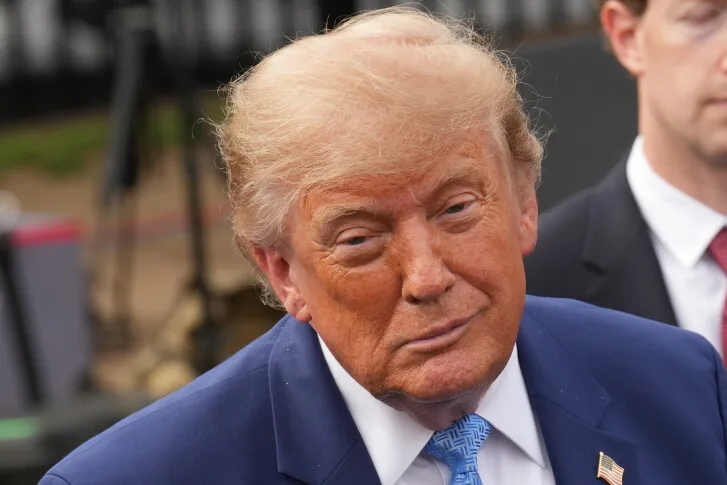
What does Trump’s SI order mean beyond the name change?
The Trump SI order is part of a broader technology agenda that has included policies aimed at expanding US AI infrastructure, innovation and government adoption. Earlier this year, the administration continued to use “AI” in executive actions, including a June order focused on artificial intelligence innovation and security.
The latest order therefore represents a significant terminology shift within the executive branch rather than an immediate technological reclassification of every AI system in the United States.
The change also comes as Trump hosted technology executives at the White House, where major companies and leaders from across the technology sector discussed it. On the same day, his administration launched America.gov, a government services platform that uses advanced technology and that the White House describes using the new “Super Intelligence” terminology.
For ordinary users, the technology itself does not change because federal documents now refer to it as SI. The immediate impact is on how the US executive branch describes and communicates about these systems.
The longer-term significance of Trump’s SI order will depend on whether the terminology spreads beyond government documents, how technology companies respond and what definition the administration eventually proposes. For now, the order establishes “Super Intelligence” and “SI” as the preferred terms for the US executive branch, while existing laws and previously issued documents largely remain unchanged.