









Ethiopia and Eritrea are building up military forces along their shared border, raising fears that renewed fighting in northern Ethiopia could turn into a direct conflict between the two neighbours.
The build-up has brought their armies within striking distance, according to conflict monitors and people with links to armed groups in the region cited by Reuters. Reports of fresh clashes have added to the alarm.
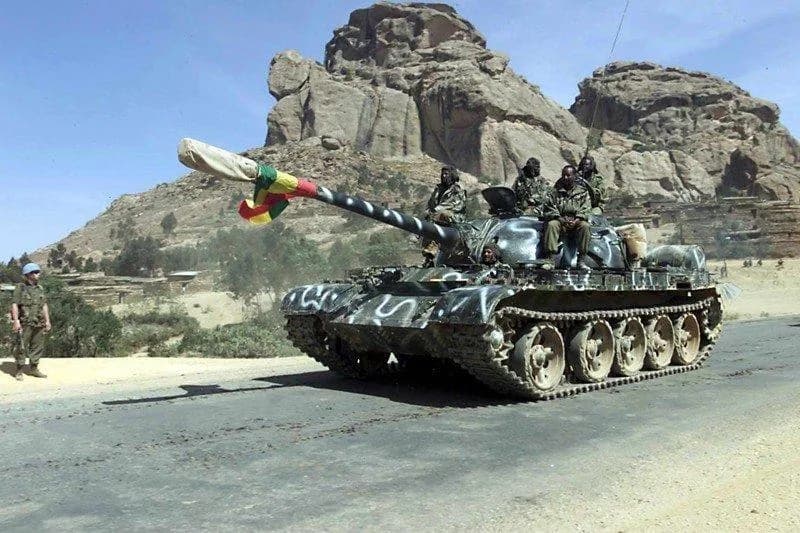
🇪🇹🇪🇷 HEAVY FIGHTING reported on Ethiopia–Eritrea border as concerns of WAR mount Ethiopia’s National Defense Force (ENDF) is reportedly fighting Eritrean troops and Tigray Defense Forces (TDF) near Sheraro and Badme. It’s unclear whether Eritrean and Tigrayan forces are fighting together or conducting separate operations against Ethiopia’s army. Reports describe Ethiopian drone strikes, Eritrean artillery fire, nighttime explosions, and families fleeing. The same disputed border sparked a devastating war in 1998 that killed TENS OF THOUSANDS. Is history about to repeat itself? Sources: Anadolu Agency, RN Intel (TG) / Writer: Marie
— Mario Nawfal (@MarioNawfal) November 15, 2026
Also Read | US flight disruptions: What triggered the FAA outage that grounded flights for second time since 9/11?
An old border dispute returns to the fore
The flashpoint is Tigray, a region in northern Ethiopia that borders Eritrea. Fighting resumed there in September, when fighters allied with the Tigray People’s Liberation Front (TPLF) launched an offensive against Prime Minister Abiy Ahmed’s federal government.
Ethiopian federal forces, supported by pro-government militia, have since pushed Tigrayan fighters towards the Eritrean border. This has brought the conflict closer to a frontier that has been disputed and militarised for decades.
The border area around Badme is particularly sensitive. The town was at the centre of the 1998-2000 war between Ethiopia and Eritrea, a conflict that killed tens of thousands of people.
The fighting ended with the 2000 Algiers Agreement. A boundary commission later ruled that Badme belonged to Eritrea, although the decision remained a source of tension.
Conflicting accounts cloud the situation

There are also conflicting accounts of what has happened in recent days. The Armed Conflict Location & Event Data Project (ACLED), a conflict-monitoring group, said artillery shelling and armed clashes had taken place near Badme since last week.
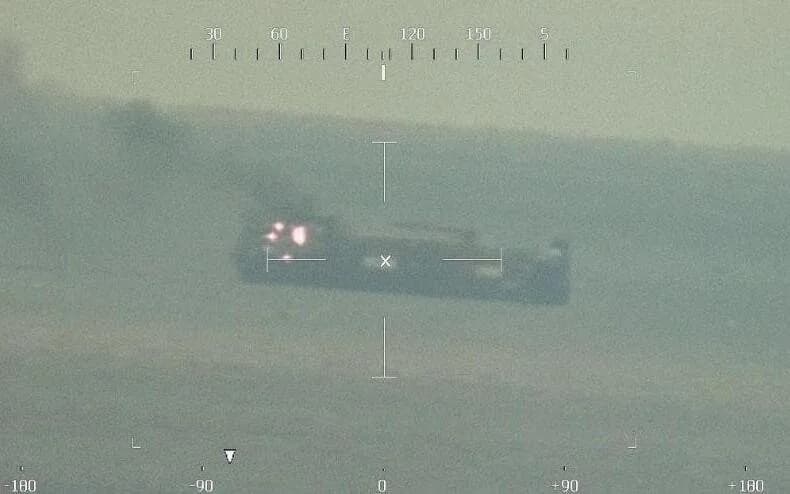
It reported that Ethiopian drones targeted what it described as likely Eritrean positions on November 12, followed by Eritrean artillery fire. ACLED also said the two armies clashed on the Ethiopian side of the border the next day.
A person linked to anti-government rebels separately told Reuters that there had been sporadic clashes. But a person close to a pro-government militia disputed that account and said Ethiopian forces were advancing towards the border in pursuit of the rebels, without fighting Eritrean troops.
Eritrea’s information minister dismissed Ethiopian ruling-party claims as “propaganda” but did not directly address the reported troop build-up or clashes.
#EthiopiaWatch🇪🇹: Ethiopia accuses ERITREA of launching a military offensive in Tigray, with EGYPT providing logistical support. OLD RIVALRIES + NEW OFFENSIVES = A RECIPE FOR REGIONAL WAR. https://t.co/9I2RWSXYaI
— Steve Hanke (@steve_hanke) November 15, 2026
Their once-promising friendship has lost its shine
The two countries were not always on opposing sides. Ethiopia and Eritrea signed a peace deal in 2018 and later fought together against Tigrayan forces during the 2020-2022 war.
Their relationship has since deteriorated. One major source of friction is Ethiopia’s demand for access to the sea.
Ethiopia lost its coastline when Eritrea became independent in 1993. It is now landlocked and has repeatedly sought access to a port. Prime Minister Abiy has said the country wants this through peaceful means.
Eritrea, however, views Ethiopia’s push as a possible threat to its sovereignty. The two neighbours cut diplomatic ties in October.
Also Read | SpaceX made the first move, now Anthropic could benefit from the same IPO trick
Trouble rarely observes national boundaries
Ethiopia says it is trying to regain control over Tigray and secure its northern border. But if Eritrea is drawn further into the conflict, clashes with Tigrayan forces could become a direct confrontation between the two national armies.
International Crisis Group analyst Magnus Taylor warned that the fighting could “draw Eritrea further into the war on the side of the Tigrayans”.
There are regional concerns as well. Ethiopia has accused Sudan and Egypt of backing the Tigrayan rebels. Both countries deny the allegation.
Sudan is already dealing with its own civil war, while its relations with Ethiopia have deteriorated. These overlapping tensions could make any escalation harder to contain.