














![‘Possibly [be] needed in 90-120 days’: Why is the US checking Cuba readiness?](/_next/image?url=https%3A%2F%2Fd243y9xj05uh4.cloudfront.net%2Fwp-content%2Fuploads%2Fbengalinsight%2F2026%2F09%2F28034806%2FHTO03ZcXgAEX35j.webp&w=3840&q=75)
Put your hand over the left side of your chest and you can probably feel your heartbeat. But does that mean your heart is actually located there? Not quite. The heart sits between the lungs, close to the centre of the chest, with its lower end angled towards the left.
As World Heart Day is observed on September 29, here are seven simple facts that explain the heart’s position, structure and functioning.
The heart is between the lungs
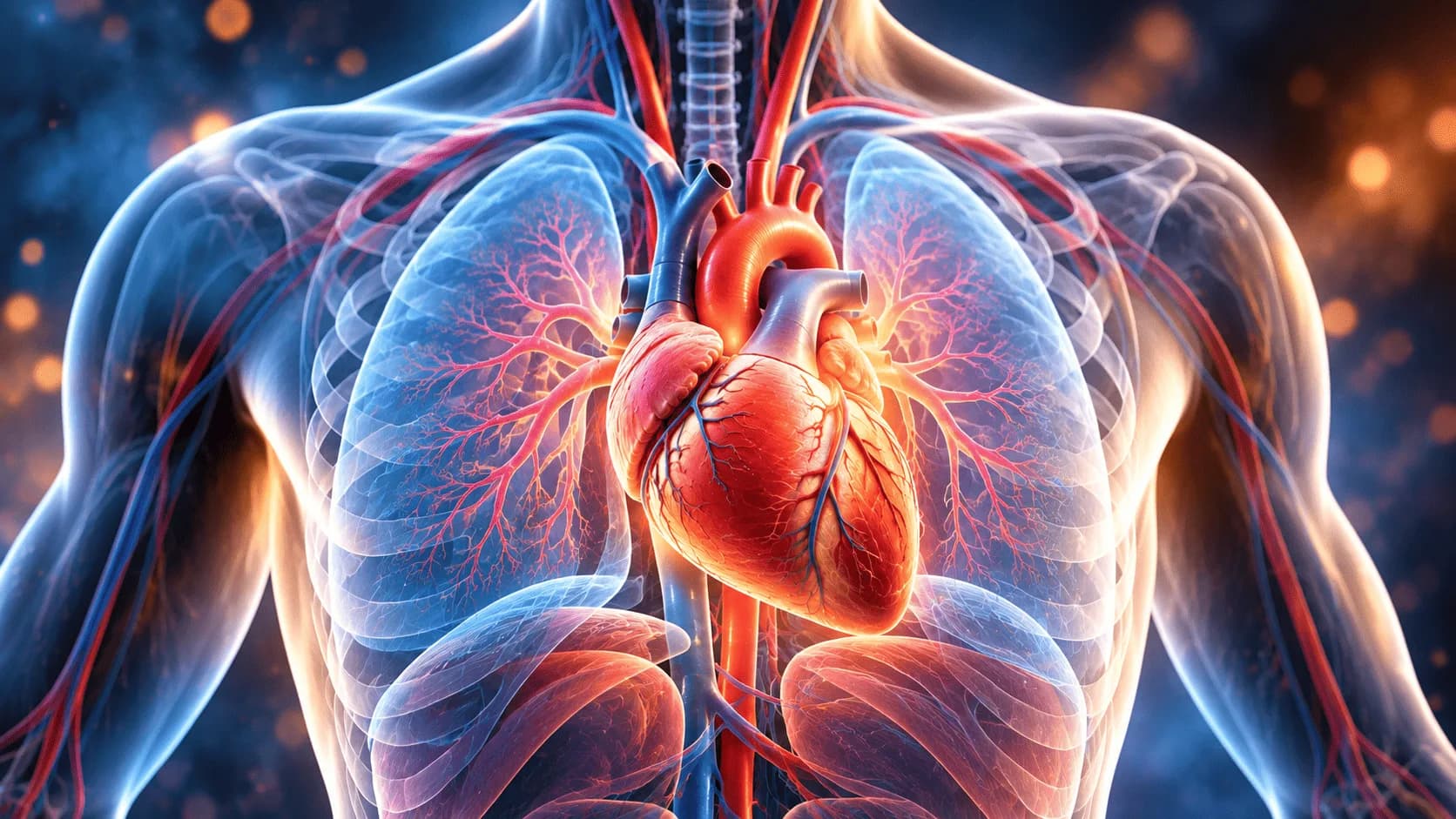
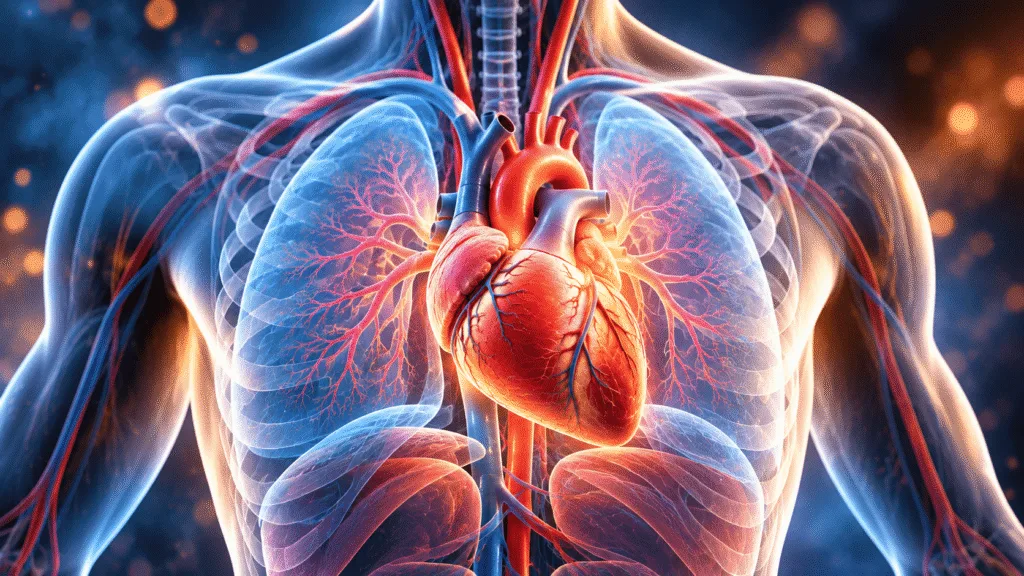
The heart is located in the mediastinum, the space between the right and left lungs. It sits behind the sternum, or breastbone, and above the diaphragm. While a larger portion of the heart lies towards the left of the body’s midline, some of it extends towards the right as well.
Its pointed end faces left
The heart is not completely upright. It has a slight tilt, with its pointed lower end, known as the apex, directed downward and towards the left. This positioning helps explain why the heartbeat can often be felt more distinctly on the left side of the chest.
Also Read | Want a protein-rich chicken recipe? Try dahi tadka chicken at home
It is roughly the size of a clenched fist
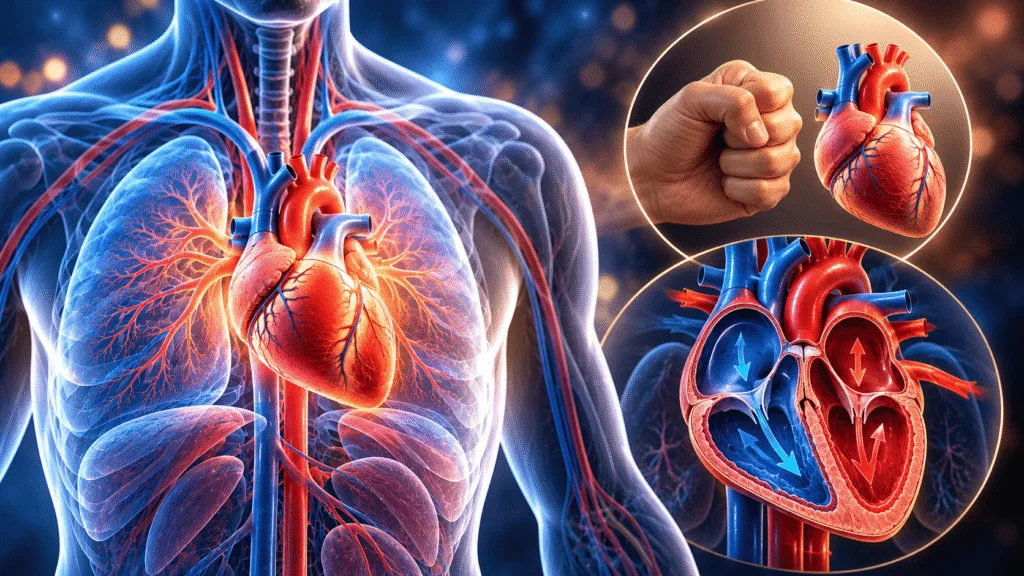
An adult heart is generally around the size of the person’s clenched fist. Its actual size can differ depending on factors including age and body size. Despite being relatively small, it continuously pumps blood throughout the body.
The heart has four chambers
The human heart consists of four chambers: the right atrium, right ventricle, left atrium and left ventricle. The right side deals mainly with blood returning from the body and sends it to the lungs, while the left side receives oxygen-rich blood from the lungs and pumps it throughout the body.
A wall separates its two sides
The right and left sides of the heart are divided by a muscular wall called the septum. This separation helps keep oxygen-rich and oxygen-poor blood from mixing under normal conditions.
Your heartbeat can be felt on the left
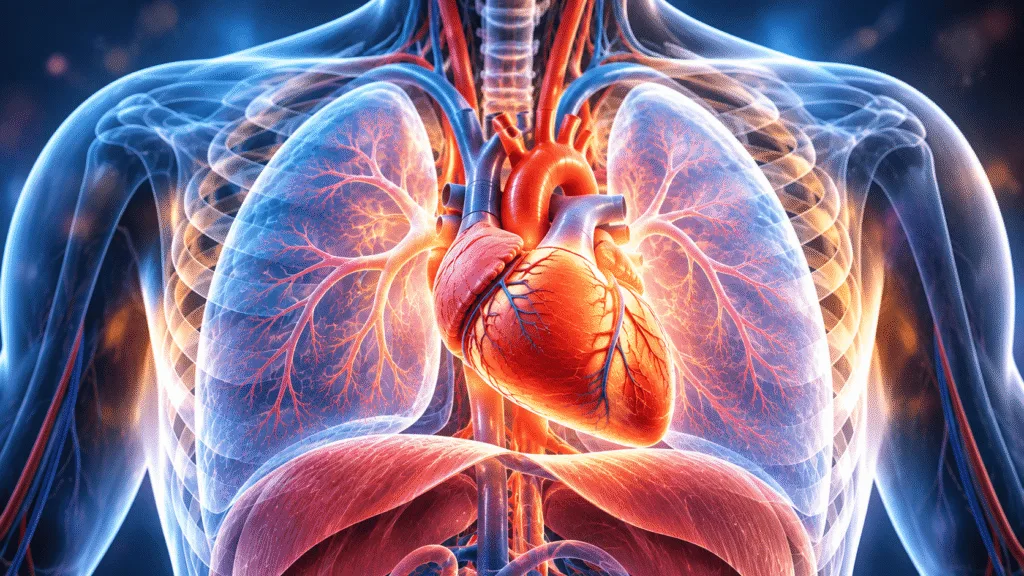
Because the apex points towards the left, the heartbeat may be felt in an area called the apical impulse. In adults, this is usually around the left fifth intercostal space, although the precise point where someone feels their heartbeat can vary.
Also Read | Healthy office snacks: 8 foods to eat when hunger hits at 4pm
The heart has its own electrical system
Unlike muscles that we consciously control, the heart beats automatically. Its normal rhythm begins with electrical activity from the sinoatrial, or SA, node, commonly known as the heart’s natural pacemaker. This system coordinates contractions and enables the heart to keep pumping blood continuously, day and night.