









A 20-year-old student of the Indian Institute of Technology (IIT) Roorkee died in his hostel room on Thursday evening, November 12, prompting the institute to postpone examinations scheduled for Friday and arrange counselling support for students. The death of Ayush Rajoria, a second-year student from Ghaziabad, has brought renewed attention to mental-health challenges and the support systems available to students at premier educational institutions.
Rajoria was enrolled in the BS-MS programme in Mathematics and Computing in the Department of Mathematics. According to an IIT Roorkee administrative official cited by The Indian Express, the student had been seeking assistance from the institute’s wellness centre. The official also described him as academically bright, noting that he had secured a CGPA of 9 out of 10 in his first semester, which subsequently declined to around 7 in the second semester.
His death has prompted questions about the pressures faced by students in demanding academic environments and whether existing campus support mechanisms are adequately equipped to address their concerns.

Police investigate IIT Roorkee student death
Haridwar Senior Superintendent of Police Navneet Singh Bhullar said the police received information about the incident through the 112 emergency service late on Thursday night. A police team reached the hostel and found the student’s room locked from inside. After gaining entry, personnel recovered his body.
Bhullar said the inquest and post-mortem procedures were underway. He also confirmed that investigators had found a detailed note on the student’s computer, which would be examined as part of the investigation. The police said further action would be taken in accordance with the law.
Rajoria’s parents arrived on the IIT Roorkee campus after being informed about his death.
In a statement issued on Friday, the institute said the circumstances surrounding the incident were being investigated by the police. It added that it was extending full cooperation to the authorities while providing support to the bereaved family.
Following the IIT Roorkee student death, examinations scheduled for Friday were postponed. The administration said revised examination dates would be announced shortly. Counselling and other support services were also arranged for students on campus.
Also Read | PM Modi outlines 5 priorities for agriculture to achieve Viksit Bharat goal

Rising demand for counselling services on campus
The incident has renewed scrutiny of the availability and effectiveness of mental-health support at IIT Roorkee. Data reported by The Indian Express last year indicated a substantial rise in the number of students approaching the institute’s counselling services.
The number of students seeking counselling increased from 105 in 2018 to 1,289 in 2024. The number of counselling sessions also rose sharply, from 146 to 4,666 during the same period, with the most significant increase recorded in 2022.
IIT Roorkee had nine counsellors on its rolls at the time of the report, including three permanent and six contractual professionals. The institute was also planning to recruit four additional counsellors.
Students were reported to be seeking assistance for a range of concerns, including psychiatric and psychological difficulties, academic pressure, career-related anxiety, life skills and general medical issues.
The latest IIT Roorkee student death has once again raised questions about whether counselling facilities can respond effectively to the growing needs of students, particularly those struggling with academic expectations and personal difficulties.
Also Read | Vijay’s TVK government completes 6 months, signals readiness for Tamil Nadu floor test
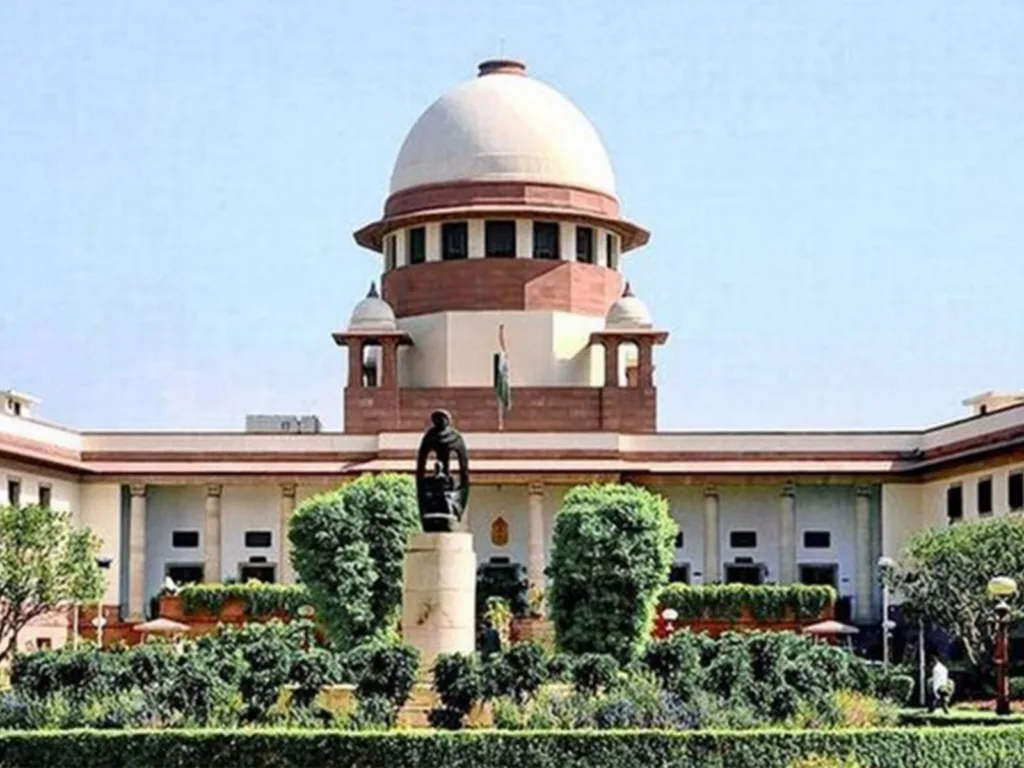
Supreme Court task force flags gaps in student mental-health systems
Concerns over student suicides extend beyond individual institutions. At least six student deaths by suicide were reported across IIT campuses in 2026, according to the report cited in the original coverage.
An interim report released in June by the Supreme Court-appointed National Task Force on student mental health and suicides highlighted significant shortcomings in the support systems maintained by higher education institutions.
According to the report, more than 70 per cent of higher education institutions did not have a full-time mental-health service provider. Fewer than 4 per cent had a formal suicide risk management protocol. Among the 23 IITs examined by the task force, only four had standard operating procedures for mental-health emergencies. None had a protocol specifying the institutional response following a student’s death.
The task force also found that 9 per cent of student respondents had experienced suicidal thoughts often or very often during the preceding year.
Importantly, the report argued that student suicides should not be viewed exclusively as individual mental-health crises. It highlighted the influence of institutional conditions, academic environments, social exclusion and inadequate support mechanisms.
The IIT Roorkee student death has therefore brought these broader concerns back into focus, with renewed calls for educational institutions to strengthen counselling facilities, identify students who may need assistance and establish clear procedures for responding to mental-health emergencies.